


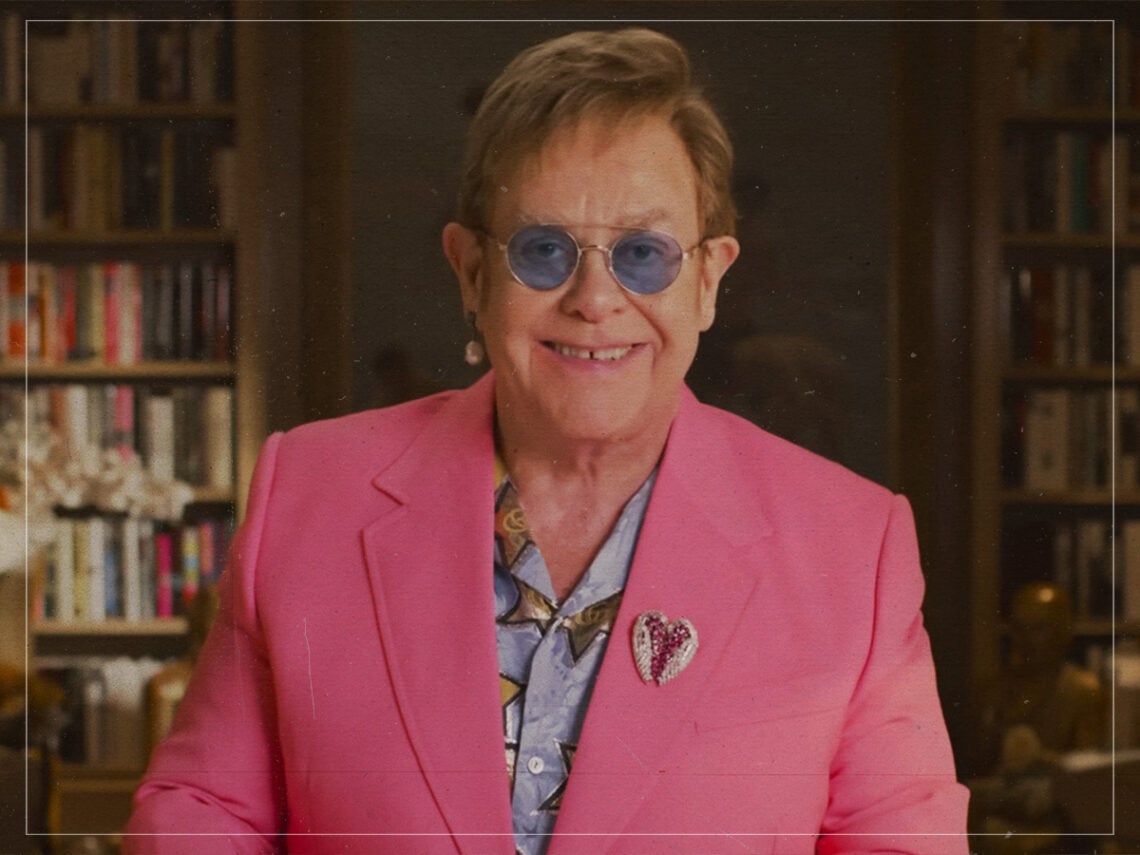
The 1971 album Elton John said was torture to make: “It was very painful”

Elton John knew that not every one of his albums was meant to be a walk in the park.
Anyone can try to make the best songs they can and put them out on a record, but telling a story with sound is the kind of art that takes years to develop, even if you’ve been writing songs for decades at a time. And while John and Bernie Taupin had the kind of partnership that most people wish they could have had, that didn’t mean that every single one of their records was going to be absolutely fantastic behind the scenes.
If anything, a lot of the middle period of John’s career is usually where things start to stall out for most listeners. The magic that he had with Taupin was still there in a lot of his tunes, but since the piano legend had been struggling through years of drug abuse, he wasn’t going to lie and say that records like Victim of Love or Leather Jackets were absolutely stellar when he knew he phoned them in.
Those kinds of records were never going to be the legendary masterpieces that everyone thought they would be, and that’s all because of how John worked. Whenever an album comes easy to someone, that normally means that they aren’t really caring anymore, and when looking through all of John’s greatest records, a lot of them had a lot more of a struggle for them to reach the finish line.
Goodbye Yellow Brick Road might sound absolutely pristine when you listen to it now, but the fact that the band almost didn’t survive making it is a miracle. Their trip to Jamaica was the moment where everything started to go haywire, but even when John entered his classic period, Madman Across the Water was a much different beast than the kind of record he heard in his head when he went into the studio.
He didn’t want his music to sound too overbearing, but he felt that the recording process was getting more and more frustrating by the day, saying, “I’d wanted to do this kind of uncluttered album when we cut Madman, in the end it was cut because we had to do an album, it was very painful. It was done under pressure and really tortured out of us, and I think it’s remarkable that it turned out as well as it did.” And while I’m the last person that would say an artist needs to be tortured, the fact that this is the sound of John forcing something out speaks volumes for what he was doing.
The songs do have a bit too much of an orchestral touch in places, but the core of the tracks are still some of the best pop music of the 1970s. There’s a certain magic to the way that the piano comes in on ‘Tiny Dancer’, and when it comes to Taupin’s way with words, ‘Levon’ is up there with songs like ‘Goodbye Yellow Brick Road’ and ‘Candle in the Wind’ as one of the finest story songs that he ever told.

And even when that tension is felt through the speakers, it’s usually done tastefully every single time. John does sound like he’s on the brink of breaking down a few times during the title track, but the pure anger in his voice is exactly what the song needs, especially with that moody backing track behind him provided by Paul Buckmaster.
Those songs didn’t come without a fight, but the fact that John was able to make something this beautiful out of frustration is proof of one of his greatest strengths. He lived and breathed music with every single fibre of his being, and even if not everything that he sang was the most optimistic thing in the world, there’s a certain magic to a record like this that doesn’t rear its head all that often in his discography.
