


The 1970 album Henry Rollins declared “feral genius” and impossible to beat

As a leading figure in 1980s hardcore punk, Henry Rollins possesses a profound understanding of guitar music.
While his outspoken nature may have made him a divisive figure within the genre, there’s no denying the depth of his knowledge across a wide spectrum of sounds, spanning from the hardcore punk scene he helped shape to genres as diverse as jazz.
That broad musical perspective has always separated Rollins from many of his peers. While he emerged from one of the most uncompromising corners of punk, his appreciation for music has never been restricted by genre boundaries, instead focusing on authenticity, intensity and artistic conviction wherever he finds them.
Throughout his career, Rollins emerged as one of the most insightful voices on the evolution of popular music. With a particular expertise in punk, he holds a lifelong admiration for Iggy Pop and The Stooges, a sentiment shared by many of his contemporaries, including Sonic Youth, Michael Gira, and Buzz Osborne. While Raw Power is often cited as the band’s pinnacle, Rollins and others from his generation regard their 1970 release, Fun House, as the ultimate masterpiece.
For many musicians who came of age in the late 1970s and early 1980s, Fun House represented something deeper than influence. It embodied a kind of artistic freedom that ignored convention entirely, favouring instinct and raw expression over technical perfection.
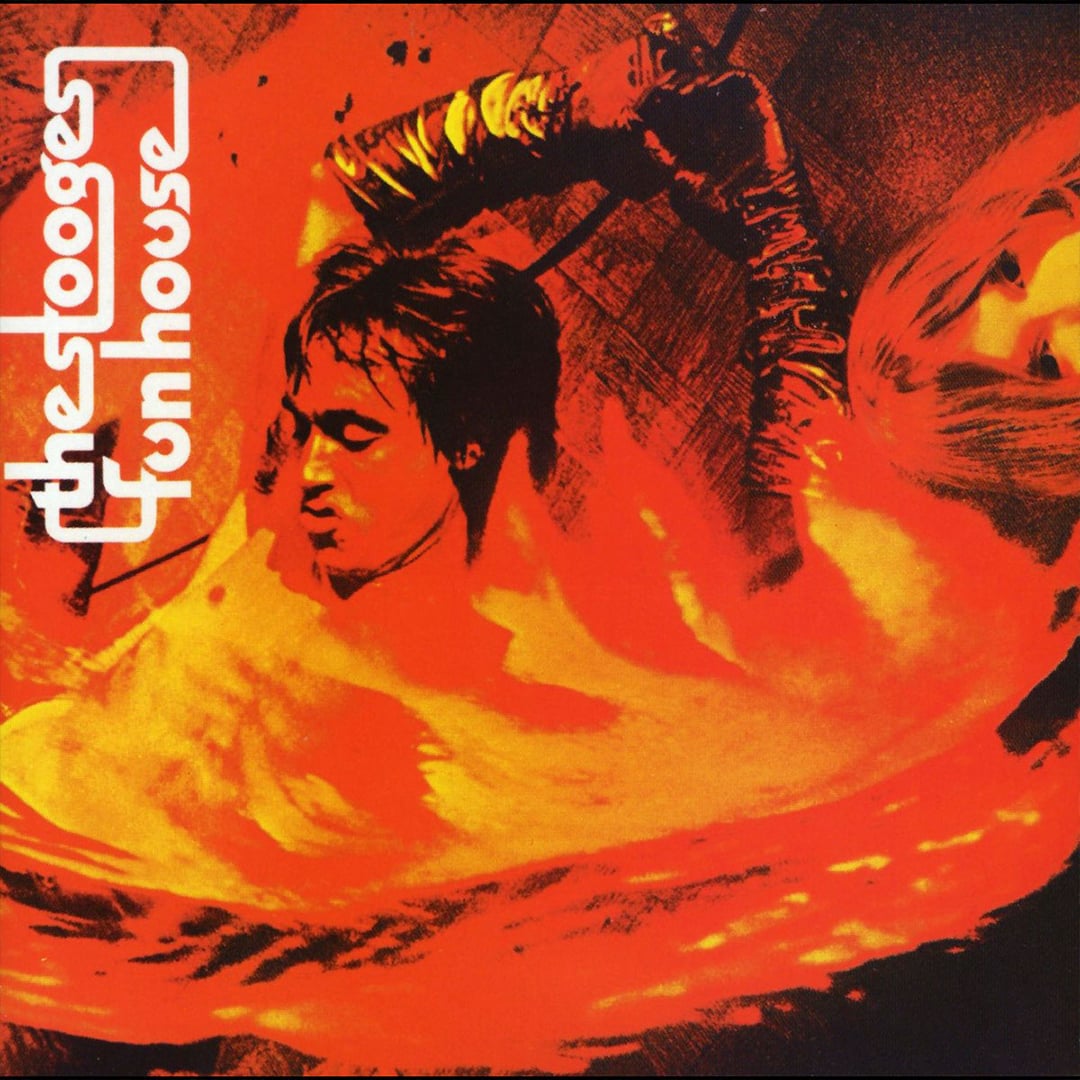
When speaking to Pitchfork, Rollins reflected on the importance of Fun House to him when he discovered the record at the age of 20. He said that he was “super aggressive” at that age, getting into fights at shows but working, having his own apartment, eating Ramen noodles and microwave burritos.
He recalled the summer of 1981, leaving his hometown of D.C. to join Black Flag, who he described as a “whole other animal”. They would ask him what bands he liked, and when he would mention the classic first-wave acts such as Sex Pistols, The Clashed and The Damned, he would be resoundingly rebuffed. He explained: “They just thought punk rock was utter crap.”
After this conversation, he would be turned onto the world of The Stooges and Fun House, which he called the “purest record” he had ever heard. Rollins recalled: “At one point, one of the band members said, ‘Look, if you want to be in this band, you’ve got to be down with Black Sabbath, the Stooges, and the MC5.’ One day, in the van, I put on Fun House. Upon first listen, a few things hit me: ‘OK, this is my favourite record, and it’s the purest record I’ve ever heard, and I’m never going to do anything that good.’“
He continued: “All of that remains true to this day. Fun House is just feral genius. They were not musicians. They were hyenas on the Serengeti that eat the antelope’s guts after the lions have had their fill. But what repulses you is the Stooges will have dinner and survive and thrive on antelope intestines ’cause they’re that tough.”
More than five decades after its release, Fun House continues to occupy a unique place in rock history. Its influence extends far beyond proto-punk, reaching generations of musicians who value honesty over polish and emotion over technique. For Rollins, the album remains the benchmark against which raw musical expression is measured. A record so uncompromising that it still sounds dangerous today.
Listen to Fun House below.
