


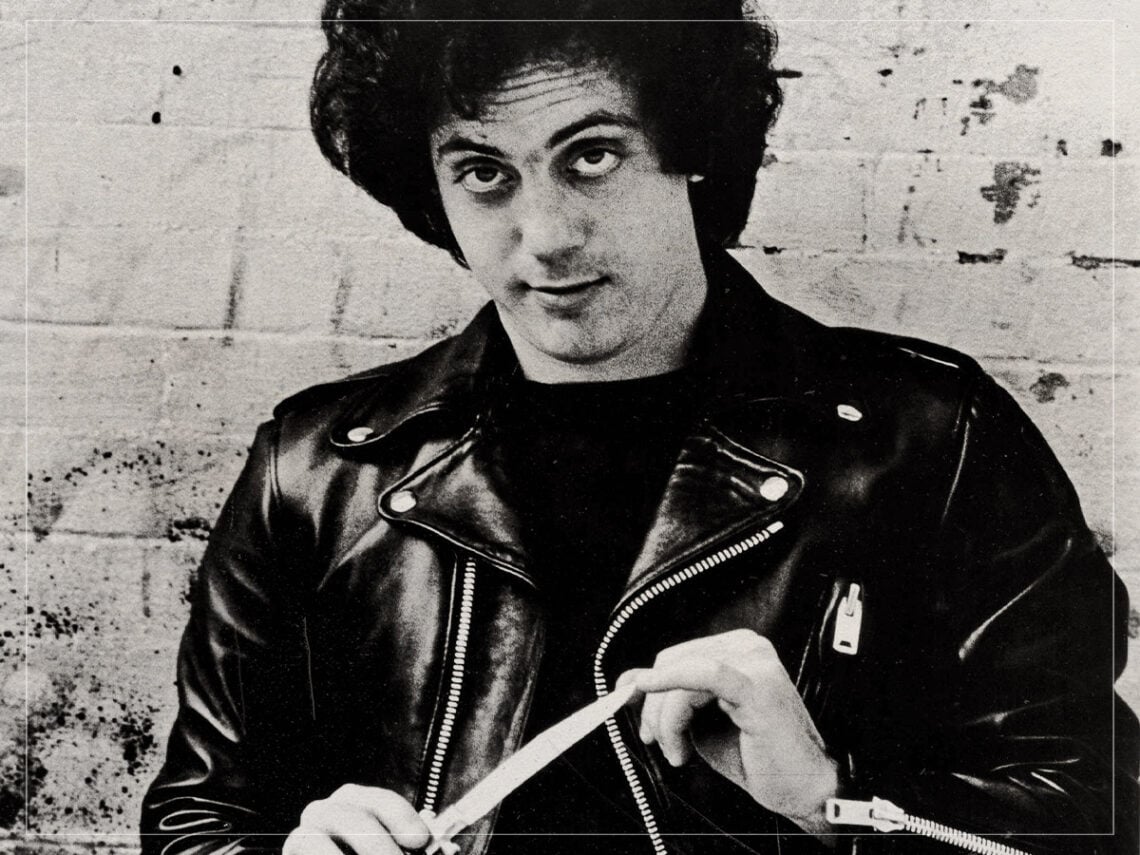
The 1969 concert Billy Joel thought was a disaster: “I didn’t enjoy it”

The story of Billy Joel tends to be on the fringes of rock and roll.
He’s as much of a classic artist as any rock and roll heavyweight, but when you look at the way that The Rolling Stones or Led Zeppelin played every single night, ‘The Piano Man’ had a much more sophisticated way of playing that didn’t encroach on other rockers’ territories all that often. He was only hoping to make a few quality tunes, but getting into the “important” rock and roll circles wasn’t all that important to him half the time.
Because Joel figured that the biggest names in rock and roll were the ones who played the music to the best of their ability. All he could ask for was to have a few songs that could hang with some of the best tunes that The Stones had put out in their prime time, but that didn’t seem to matter to the press nearly as much as him becoming one of the biggest punching bags for being a bit softer than normal. He made no apologies for his music, but he also wasn’t going to cower to what the critics wanted.
His music served his audience perfectly, and from where this author is sitting, a lot of that ignorance from critics reads more as jealousy today. There are countless people who still claim that Joel only writes one or two decent songs, but there is so much more to dissect in Joel’s work if they clean out their ears for two seconds, especially when he started playing around with different genres.
But the fact that Joel never tied himself to a certain historical event or anything forever condemned him to being on the outside. As it turned out, though, Joel’s music wasn’t going to cater to the biggest cultural moments that he lived through. In fact, the Woodstock festival was quickly becoming one of the biggest pieces of rock and roll legend at the time, and yet Joel felt that there was nothing all that special about a bunch of people getting together in a field to talk about love and peace.
He was all for the peaceful resolution to the Vietnam War, but the idea of a bunch of stoned hippies camped out for days on end wasn’t where his head was, saying, “I didn’t enjoy it, to tell you the truth. I wanted to see [Jimi] Hendrix. I wanted to see The Who, and I missed them. I just saw the first day. And it was so muddy and rainy and messy and no place to use the bathroom, and everybody was drugged out. I wasn’t doing drugs or anything back then.”
Admittedly, Woodstock is one of the biggest examples of a show that sounds so much better while stoned, but Joel’s reaction might not have been all that special in his neck of the woods. Even when talking about playing the festival later, John Fogerty felt that the whole thing wasn’t nearly the kind of show that he had envisioned it being, and it took him years before he eventually felt comfortable releasing CCR’s performance at the show.

In the context of history, though, it’s more about where you were the minute that some of the classic material started happening. Hendrix’s performance is still one of the greatest moments in rock and roll history, but no one would have blamed concertgoers for either walking out before it happened or not even remembering it since it took place so early in the morning on the final day of the concert.
Woodstock definitely deserves its spot in musical history for being one of the first attempts at musical utopia, but putting on a show meant a little bit more to Joel. He wanted the opportunity to make the best performance that he could, but there were more than a few people who just wanted to get as high as possible in an open field and have a pretty banging soundtrack going on in the background.
