


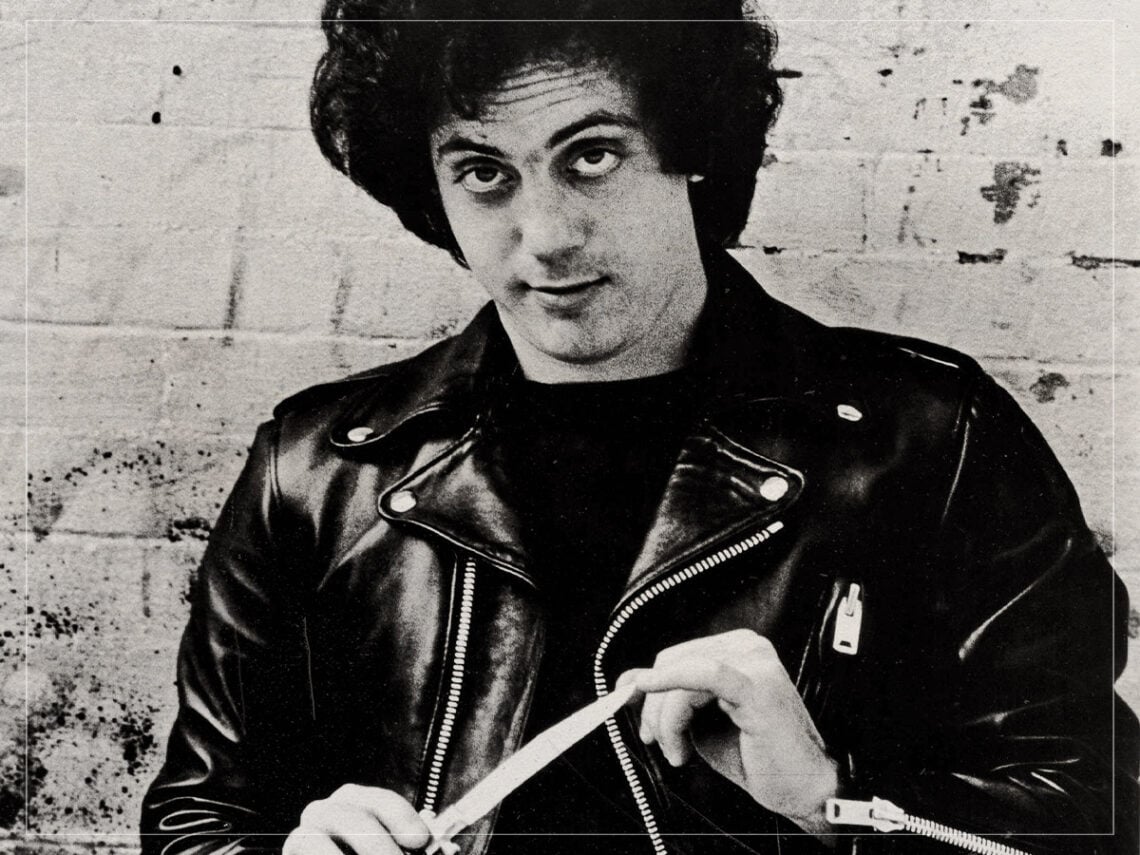
The 1969 album Billy Joel wanted to delete forever: “It was too loud”

There’s no accurate way to put Billy Joel in a particular box style-wise.
Anyone could recognise one of his songs whenever they came on the radio back in the day, but even if he wasn’t exactly a musical chameleon, you could tell when he was pulling a little too much from his influences, whether it was trying to sound like Ray Charles or doing his best impression of an old-school rock and roller when making ‘It’s Still Rock and Roll to Me’. But even with all of his many talents, Joel understood that some genres were never meant to be touched by him.
As much as he loved the idea of making the best music that he could whenever he worked on his tunes, there were just as many that were outside of his wheelhouse. For instance, he adored listening to the best musical pieces that he heard out of the classical period, but when looking at the likes of Bach and Beethoven, Joel felt that he needed someone else behind the keys when working on a record like Fantasies and Delusions later in life.
And even when he retired from making pop music, it was almost as if Joel had had his say when he finally hung everything up. He liked the idea of having one cut-off point for his career, and since rock and roll was a young man’s game to begin with, it was easier for Joel to hang it up and leave the next generation to people who had a lot more to say than what he had been doing for the last few years. But if rock and roll was for the youth, metal was another can of worms entirely.
Then again, the metal world didn’t usually have that much room for the piano when Joel first started playing. Led Zeppelin had a few interludes that sounded beautiful whenever John Paul Jones got behind the organ, but compared to all of the biggest names in music in the early 1970s, having Joel try on his best Deep Purple impression on Attila was only going to make for unintentional hilarity later down the road.
Joel wasn’t a heavy metal singer by any stretch of the imagination, and while the songs are competently played and all, the whole thing feels like something that’s ripped out of another timeline altogether. The cover wasn’t the most engaging thing in the world, with Joel and his partner, John Small, in a meat locker, but compared to everything else in his discography, Joel figured that he would rather forget about the whole thing rather than try to build upon it.
He wasn’t going to be the next Jon Lord by any stretch, and even when working on a lot of their initial shows, Joel remembered people trying to get as far away from the stage as they possibly could, saying, “We were heavy metal, we were going to destroy the world with amplification. … We had about a dozen gigs and nobody could stay in the room when we were playing. It was too loud. We drove people literally out of clubs.”

But beyond the songs being some of the strangest things that Joel ever made, I’m not sure the album would have received the absolute thrashing it has today were it not for Joel himself. ‘The Piano Man’ doing heavy metal is already a novelty, but had this come out with someone else’s name on it, chances are we wouldn’t be so critical of it, especially with a few songs that actually manage to sound fairly decent all things considered.
If Joel had continued with Attila, it would have certainly been interesting to see what he would have come up with, but it’s not like he was ever going to become the next incarnation of Robert Plant. This was just a way for him to have fun and make something outside of his wheelhouse, but whenever he looks at it today, chances are Joel sees it the same way that everyone looks at their old yearbook photos. It can be nostalgic, but it can also be incredibly cringy.
