


“Amazing fun”: The 1968 song Lou Reed said set the tone for his career

“Things are better with contrast. You don’t know up without down,” Lou Reed once proclaimed, “Conflict is more interesting. When you take conflict out… then you have pop”.
Speaking to The Sydney Morning Herald, ahead of his 18th studio album, 2000’s Ecstasy, Reed was answering a question of what ecstasy refers to, returning to the idea of a colour palette that he continually used, a spectrum of shades employed to dissect his emotions, relationships, addictions and more. Written with Reed’s pen, nothing was black-and-white and, no matter what, the truth was confronted, even if that meant exposing the more unsavoury sides of life, when necessary.
When asked about when he felt that he’d truly nailed his sound, as a musician, Reed travelled back in time to the highs and lows of the Velvet Underground. “You could trace that all the way back to the Velvet Underground song, ‘I Heard Her Call My Name’,” he offered, “Then, it flowers on ‘Blue Mask’”.
From the Velvets’ second album, 1968’s White Light/White Heat, ‘I Heard Her Call My Name’ is a morbid ode to the dead, resulting in four minutes of chaos that finds a source of power hidden in its imperfections. Every discordant chord performed by Reed, Sterling Morrison and John Cale, the slight muffle of its overall sound, the slight yet obvious changes in rhythm give the song an overall feel of a jam session, rather than a finished track.
As Morrison once confessed, quoted in 2003’s Uptight: The Velvet Underground Story, “I quit the group for a couple of days because I thought they chose the wrong mix for ‘I Heard Her Call My Name’, one of our best songs that was completely ruined in the studio.” Drummer Moe Tucker agreed that the sound of the song was tainted, once Reed remixed it to amplify his vocals.
“The album is fuzzy, there’s all that white noise,” Morrison further explained in 1997’s The Complete Guide to the Music of the Velvet Underground, “We wanted to do something electronic and energetic. We had the energy and the electronics, but we didn’t know it couldn’t be recorded…what we were trying to do was really fry the tracks.”
Still, with Tucker’s drumming as a trusted anchor, the track hears the Velvets at one of their most raucous moments, in the best of ways, a precursor to punk in its explosive charm. It is no wonder, then, that Reed sees it as a definitive moment in his own songbook. If not for his immortal declaration of, “And then my mind split open”, the sprawl of his guitar is unforgettable in its intensity, indebted to Jimi Hendrix and free jazz. In terms of the latter, Reed’s adoration for the saxophonist Ornette Coleman shone through.

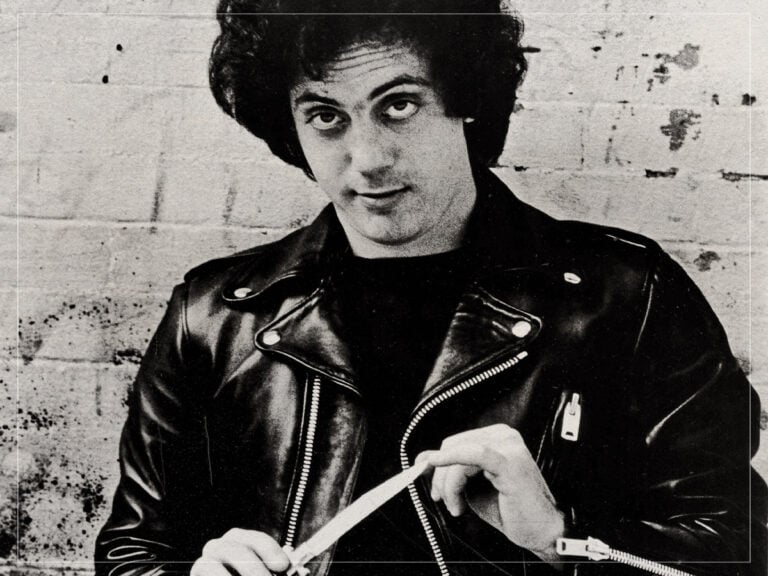

“I wanted to play like that,” Reed told Rolling Stone in 1989, of trying to invoke a similar musicianship to Coleman in his guitar solo on the Velvet song, adding, “I used the distortion to connect the notes, so you didn’t hear me hesitating and thinking…I never thought of it as violent. I thought it was amazing fun.”
White Light/White Heat was to be the final gasp before the Velvets’ first implosion: Nico and Andy Warhol had been fired by the time that the band entered the studio to record, and John Cale would be fired by Reed later that year, to the chagrin of Morrison and Tucker, on account of the two musicians’ growing creative differences. On moments like ‘I Heard Her Call My Name,’ then, Reed’s power overshadows the rest, a preview of what he would become in his solo ventures extending into works like The Blue Mask, as he cited that his sound “flowers” on the title track of the 1982 album. Both works hold a similar resonance, unconcerned with wider appeal, capturing Reed’s complex emotions, as they were, in a moment in time.
