


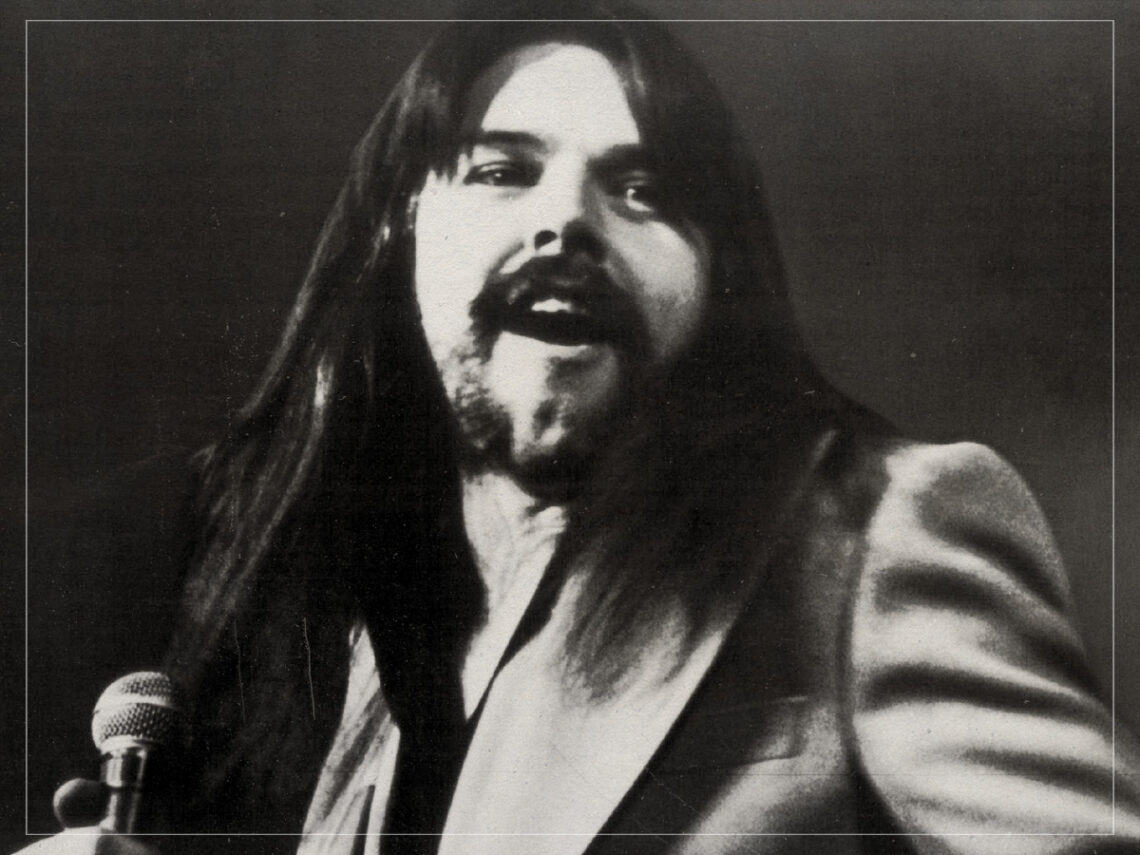
The 1967 album that made Bob Seger believe his career was over: “Are we out of a job?”

It’s no secret that rock is one of the most brutal and competitive genres in music. It’s always been the same way: filled with pioneering figures whose sole focus is reaching the top and appearing better than any rival who gets in their way.
Bob Seger might often fall into the same category, but his attitude and approach have always been somewhat unique, centring around the principles of art and progression rather than simply rising to the very top of the hierarchy and leaving little room for others to thrive.
Seger knew that a music career was his calling from an early age. He was already singing along to some of his favourite tunes in the car with his parents at the age of four, and by the age of ten, he discovered The King himself, Elvis Presley. His father then gave him a bass ukulele, and he recalls trying to play ‘Hound Dog’ on it while keeping his ears constantly tuned into the radio.
“I knew right then what I wanted to do,” Seger later told CBS.
Soon enough, Seger was performing local gigs and growing a steady following. It was then that he realised that this wasn’t just a hobby; he actually had something special. “When we played, we had what it took to move an audience. We always had that,” Seger explained. “So we always, in a sense, felt successful, you know? We just didn’t have the money and the radio airplay and the records to prove it at that time.”
This wasn’t just something Seger recognised in himself; those in the Detroit scene felt it too, including a certain future legend, Glenn Frey. Before Frey found his place in one of the most significant country rock bands of all time, he was an ambitious teenager looking for the right mentor to show him the way. Seger filled those boots immediately, teaching him that honing his craft as a songwriter was ultimately the key to success.
“I knew Glenn was going to be something,” Seger later recalled, mentioning the details of his first major hit, ‘Ramblin’ Gamblin’ Man’, on which Frey provided backing vocals. Seger also produced and wrote the first single for Frey’s then-band, the Mushrooms, but they were told at the time that they would never make it in the same band as they were both “too headstrong”.


But that didn’t stop them from keeping a close relationship over the years. In fact, it was their shared humility that often pushed them ahead of others, as well as their ability to see talent and admire it without feeling that familiar sting of jealousy. As Seger later explained, there was no use thinking you’d be better than players like the ultimate guitar meastro himself, Jimi Hendrix; often, it was better to joke about their brilliance than to dwell on your own talent.
“Glenn was like the kid brother I never had,” Seger told Rolling Stone. “He had long hair, was really hippie-ied out. We were both dating girls who were in a band called the Mama Cats, and we were both in bands.”
He went on, “He brought me home to his house in 1967, and we played Jimi Hendrix’s Are You Experienced. At the end, we looked at each other and said, ‘Are we out of a job?’”
