


The 1955 movie Katharine Hepburn considered her best performance: “It would have to be that film”

Ego and vanity are essential components of making it to the top of the acting business because there isn’t a star in history who reached the summit without having the utmost confidence in their abilities. Katharine Hepburn knew she was good, but she was never one for playing Hollywood games.
The legendary star was a once-in-a-lifetime talent who took the ‘Golden Age’ by storm both onscreen and off, combining a string of incredible performances with an intense disinterest in anything other than performing. She was a star, and everybody knew it, but she couldn’t think of anything worse than behaving like one.
That attitude helped separate Hepburn from many of her contemporaries. While Hollywood often rewarded carefully cultivated public images, she built her reputation on authenticity, refusing to conform to expectations about how a leading lady should dress, behave or conduct herself away from the camera.
Intensely private and unwilling to bow to the conventions of her era, Hepburn became even more of a hero to even more people because she steadfastly refused to be anything other than herself. She wouldn’t politic, she’d rarely belittle her peers unless she felt they deserved it, and the notion of celebrity was horrifying to somebody who simply wanted to be left alone when they weren’t on set.
To illustrate that point, Hepburn is the only person to win four Academy Awards for acting, all in the ‘Best Actress’ category. How many times did she attend the ceremony throughout her storied career? Once, to present an honorary award to, friend and producer, Lawrence Weingarten, when she came straight from home still wearing her gardening gear and then promptly left when she wasn’t required anymore.
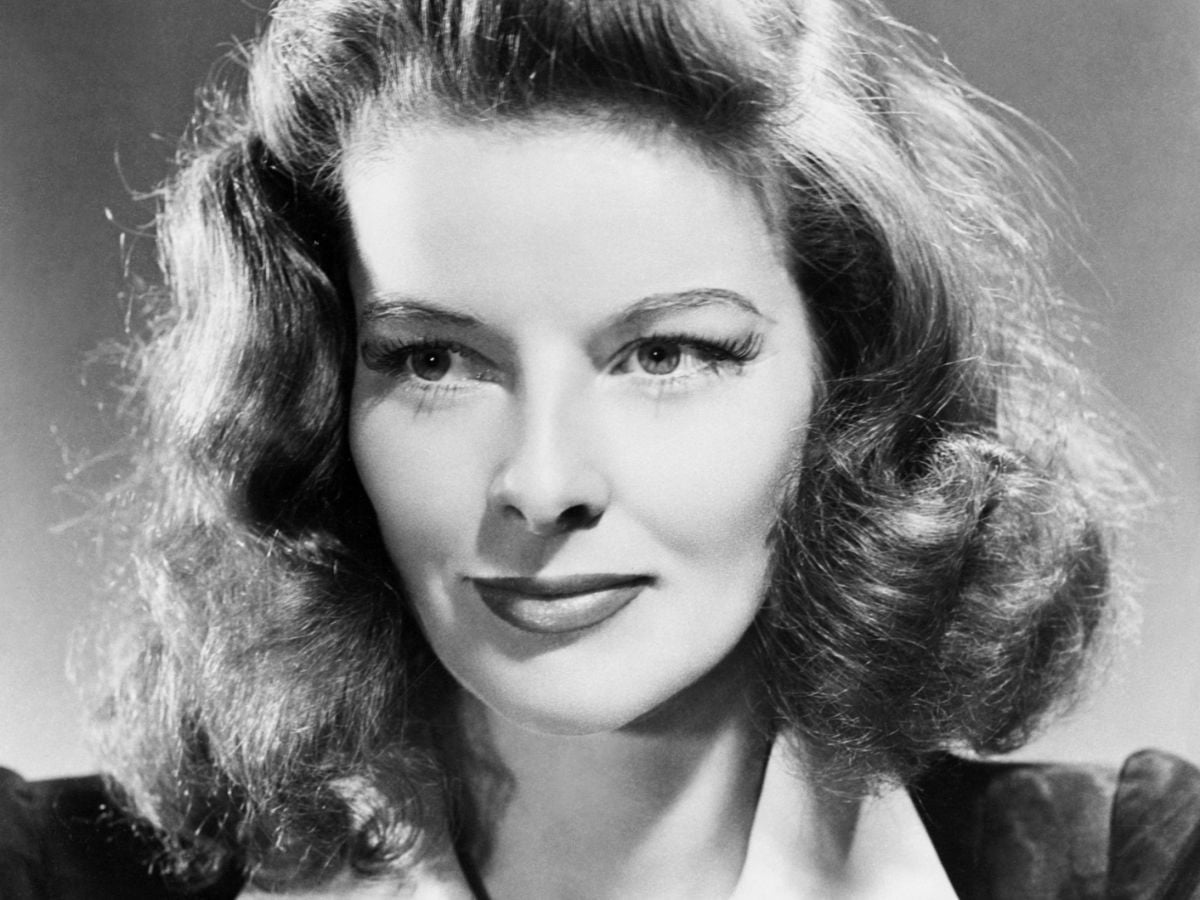
Underlining her greatness, it often goes overlooked that Hepburn only made 44 features. That means she’d win an Oscar on average every 11 performances, and she’d be nominated roughly three and a half. If Meryl Streep won an Oscar once every 11 features, then she’d have seven by now.
The statistic becomes even more remarkable when considering the consistency of her output. Rather than chasing quantity, Hepburn was selective about the projects she chose, ensuring that her filmography remained defined by quality performances and collaborations with some of cinema’s most respected directors.
Even when it came to naming the best performance she’d ever given, Hepburn refused to give herself the credit, instead referring to it as “when I was used most effectively” and not when she was at her finest. David Lean was involved to add even more greatness to the mix, but it wasn’t any of those films that won her that quartet of Oscars.
“I think Summertime finds me pushed the farthest and with intelligence,” she told James Grissom. “David Lean is remarkably intelligent, a brilliant filmmaker. Tough. He never let up on me. I felt pushed in other films, of course, but if you want to see me being very carefully and completely challenged, pushed into corners I don’t always choose, it would have to be that film, with Lean.”
It was certainly a life-changing production for Hepburn, who ended up developing a chronic eye condition that affected her vision for the rest of her days after taking a dive into the unsanitary waters of a Venetian canal. She was an actor who liked to be challenged, and because Lean understood and approved that assignment better than anybody else, she didn’t think she’d been any better than on his watch.
For Hepburn, greatness was never about awards, acclaim or public adoration. Instead, it was measured by the quality of the work itself and the creative challenges that came with it. That is why Summertime remained so important to her, not because it earned recognition, but because it pushed her further than almost any other role in a career filled with extraordinary achievements.
