


The 1954 shot JJ Abrams called “the best special effect in the history of time”

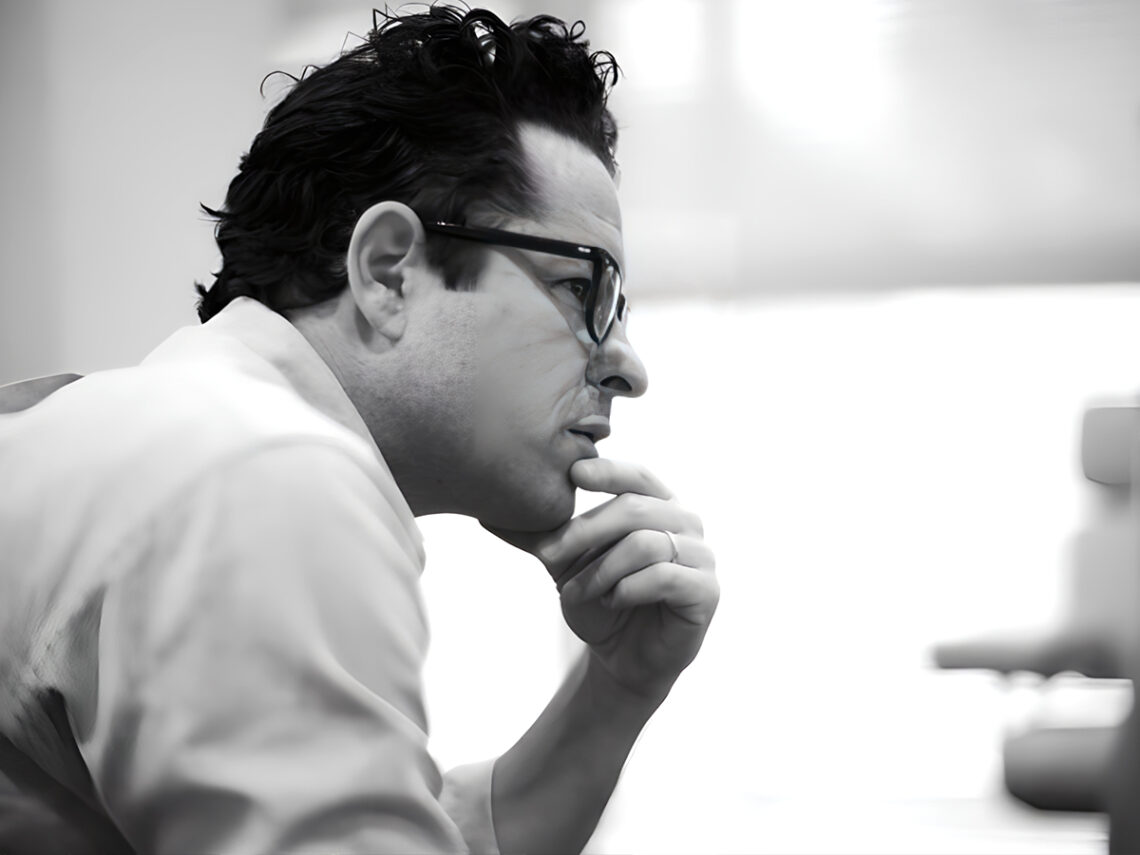
If there is one man in Hollywood you’d probably want to go to in order to discuss special effects, then short of Steven Spielberg being too busy to chat, it would probably be JJ Abrams.
That’s because Abrams has overseen a huge amount of the most visually impressive and spectacular TV and movies over the last few decades, and it’s not an overstatement to say he could well be viewed as a spiritual successor to the great ET director.
His work in the realms of fantasy and sci-fi is unrivalled, from shows like Fringe, Alias and Lost to rebooting not just the Star Trek franchise but the Star Wars one too, and much of his work has relied on the imagination and technical wizardry of special effects departments to bring his visions to life on the big screen.
Like Spielberg, Abrams has worked consistently with the legendary studio Industrial Light and Magic, specifically VFX supervisor Roger Guyett, who served as his effects main man on Mission Impossible III, both Abrams’ Star Trek movies and two of his Star Wars films, The Force Awakens and The Rise of Skywalker.
But Abrams is not someone who wants to rely solely on CGI to create the worlds he wants to bring to audiences. He instead likes to use practical, on-set effects, often with physical creations that are then given added oomph with digital wizardry in post-production, in addition to ‘in-camera’ effects produced while filming.
An example of his love of the medium comes in a film from one of the masters of that in Alfred Hitchcock and his 1954 classic Rear Window, specifically one moment that saw two of the greatest actors in history lock lips. Abrams told Rotten Tomatoes about his admiration for the movie, explaining, “When Grace Kelly goes to kiss Jimmy Stewart that first time, it was just one of those things where it is the best special effect in the history of time.”
Rear Window is the tale of a temporarily disabled James Stewart becoming housebound and obsessing over the daily routine of his immediate neighbours, whom he watches every hour of every day from the back of his apartment with binoculars. A voyeuristic mystery thriller, it’s considered one of Hitchcock’s finest ever films and utilised a purpose-built indoor set at Paramount studios, painstakingly put together to replicate a Greenwich Village, New York courtyard.

An amazing amount of detail was incorporated into the set, with special lighting rigs set up to properly imitate morning, afternoon and evening scenes, plus a drainage system so that rain could be simulated. 98 feet wide, 185 feet long and 40 feet high, a dozen of the featured apartments on the set had working electricity and plumbing, with the actors seen onscreen living in the rooms during filming and taking direction from Hitchcock via an intercom system.
Hitchcock had considered trying to film the movie on location in Manhattan, but quickly realised the sounds and unpredictability of one of the world’s busiest cities would prove difficult. Instead, he and the producers modelled the set on an address at 125 Christopher Street, working from photographs over a six-week period. The total cost of building the set came to around $72,000, just shy of a million in today’s money.
