


10 cover songs that should be deleted from history

The cover song is a delicate beast; what starts out as a noble tribute to a certain artist can often become an insult. Reimagining an artist’s work is no easy task, and yet, since the very dawn of pop music, artists have been keen to cash in on cover versions of popular songs, though they often cause more damage than success.
Cover songs could be a genre in their own right, as there are a multitude of different cover types. Some artists, such as Frank Sidebottom or Weird Al Yankovic, used cover songs as a kind of vehicle for jokes while simultaneously paying tribute to some of their favourite artists. Other cover songs become notable for their intentionally bad nature, with artists like Mrs Miller becoming noted for her awful karaoke versions of pop songs from the 1960s.
The most offensive brand of cover songs are the ones in which the artists believe, fairly arrogantly, that they can improve upon the original work. While this does occasionally produce some incredible tracks, take Devo’s version of The Rolling Stones’ ‘(I Can’t Get No) Satisfaction’ for instance, the results are more often overblown exercises in rock and roll ego.
Our list has focused on the arrogant, the strange and the downright cringeworthy. In the immortal words of Derry Girls’ Sister Michael, “It really makes me realise just how talented the professionals who originally recorded these tracks were.”
The 10 worst cover songs:
‘Pink Moon’ – Aurora (Nick Drake)
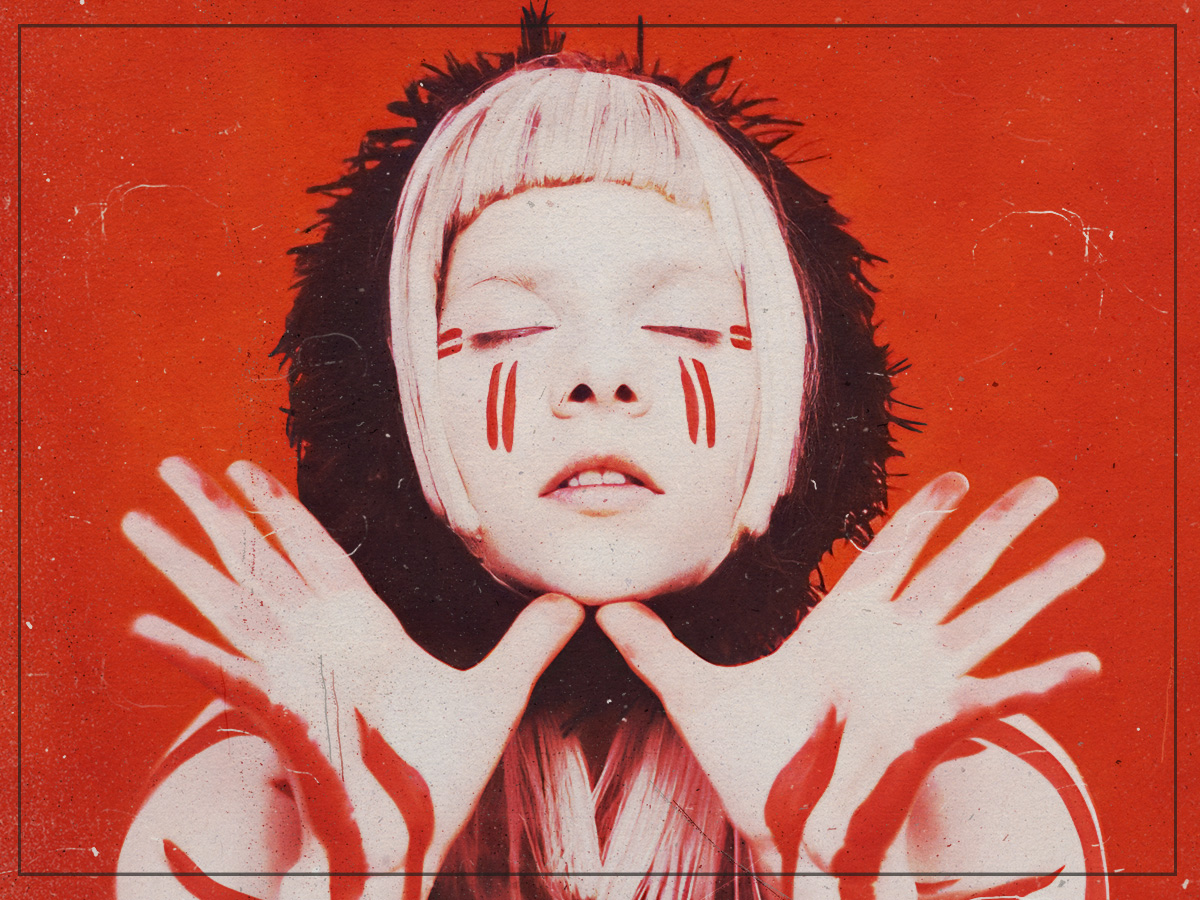
Last year saw the release of The Endless Coloured Ways, an album of current artists covering the incredible Nick Drake. Released to a resounding chorus of “why?”, the album features more than a few terrible takes on Drake’s music, but the one that tends to sting the most is Aurora’s version of ‘Pink Moon’.
Technically, this version is not all too bad, Aurora’s style of singing – reminiscent of John Lewis adverts – is fairly inoffensive. Perhaps if she was not covering one of Drake’s defining tracks, the beautiful and delicate ‘Pink Moon’, it wouldn’t be so bad – but she is, and it feels like sacrilege. You cannot improve on perfection, and Aurora certainly doesn’t on this track.
‘Long Tall Sally’ – Pat Boone (Little Richard)
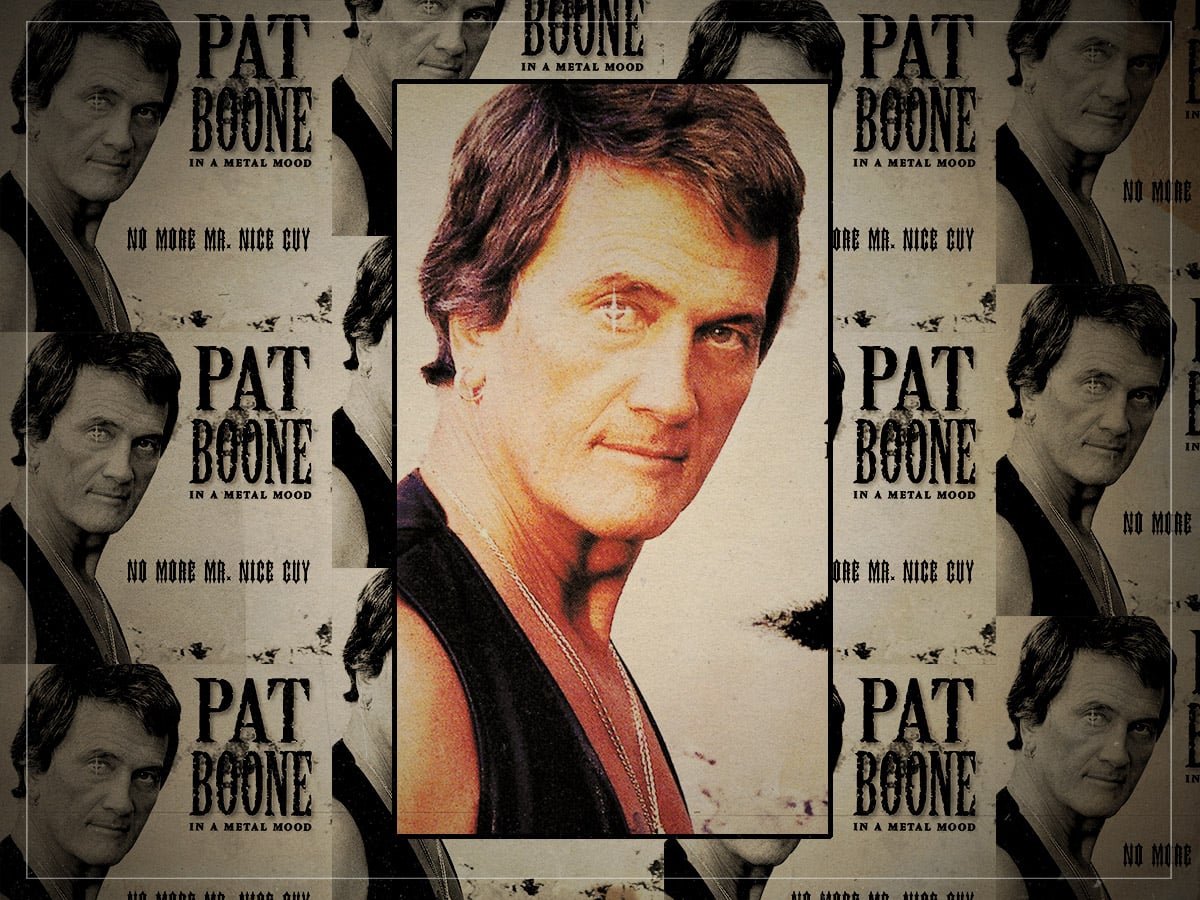
The brilliance of Little Richard’s rock ‘n’ roll career cannot be overstated. Recording some of the greatest tracks from the early days of rock ‘n’ roll, Richard was one of the few black artists to challenge the dominance of white recording artists at the time. Something that made it all the more offensive when Pat Boone re-recorded ‘Long Tall Sally’ mere weeks after its original release.
Pat Boone carved out a successful recording career as a hack artist, covering early rock ‘n’ roll tracks to make them more palatable for conservative audiences. In essence, Boone only had a career because racist audiences in the USA liked rock ‘n’ roll but did not want to buy records from black artists like Little Richard.
‘Burning Down the House’ – The Used (Talking Heads)
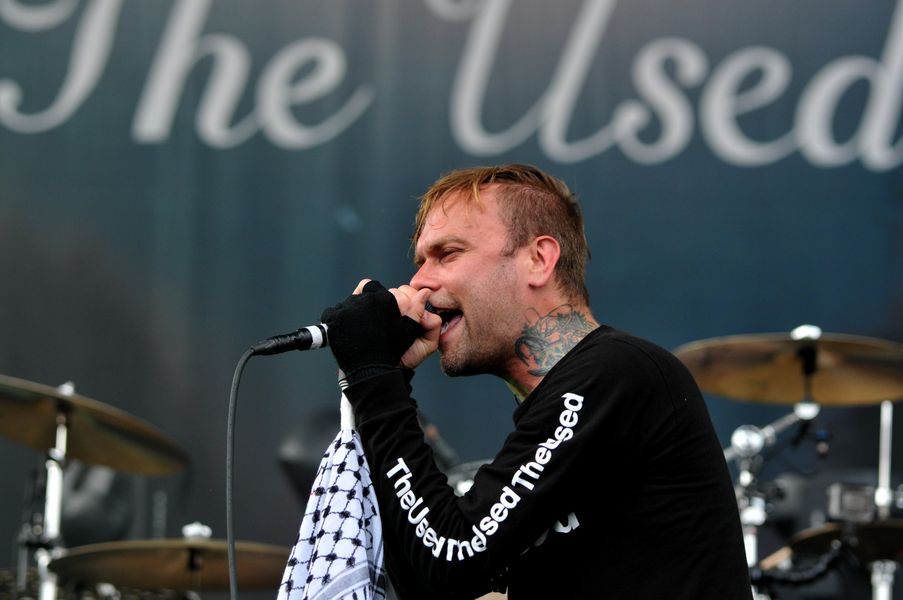
A great deal of late 2000s rock music has aged poorly, to say the least. However, the worst of that period featured on the soundtrack album to 2009’s Transformers: Revenge of the Fallen. In a cover song specifically composed for the film, long-forgotten emo group The Used murdered Talking Heads’ ‘Burning Down the House’.
The track had already witnessed a cover version by Tom Jones and the Cardigans, which was not all that convincing, but The Used take on David Bryne’s hit feels like sonic torture. Not only do The Used ignore the improvisational funk influences that made the original so endearing, but it is also awash with cringe-worthy production techniques and vocals that make it near impossible to make it to the end of the three-minute, 39-second runtime.
‘Come Together’ – Aerosmith (The Beatles)

“If you come for the King, you best not miss” is a famous quote that Aerosmith should have probably listened to before attempting to rework any song by The Beatles, let alone ‘Come Together’. It is not that The Beatles are incapable of being covered well, as the likes of Siouxsie Sioux, Jimi Hendrix, Al Green, and various others can attest to, but if you perform a bad Beatles cover, people are going to notice.
Recorded for the 1978 film Sgt. Pepper’s Lonely Hearts Club Band, Aerosmith eliminated the presumed inherent coolness of the track, replacing it with the kind of overblown bubblegum rock that the group are known for. John Lennon is often criticised for his vocal ability, but as this track shows, it could have been a lot worse.
‘My Generation’ – Hilary Duff (The Who)

The youthful rebellion of The Who’s defining track, ‘My Generation’, captured the essence of 1960s subculture and went on to encapsulate the revolution of punk and alternative music. As a result, a multitude of cover versions have appeared over the years – ranging from the great, like Patti Smith, to the mediocre, such as Oasis, and the utterly terrible, which is where Hilary Duff comes in.
Only released as a bonus track on the Japanese version of her eponymous third album, Duff’s take on ‘My Generation’ loses all sense of youthful rebellion or edge that the original became noted for. The reasons for its exclusion from all versions of the teen pop star’s third album is fairly obvious.
‘Jumpin’ Jack Flash’ – Guns ‘N’ Roses (The Rolling Stones)

If the American bubblegum rock reimagining of The Beatles was bad, then Guns ‘N’ Roses’ version of the Stones’ ‘Jumpin’ Jack Flash’ is on another level. Not known for their humble nature, Guns ‘N’ Roses perhaps fancied themselves as The Rolling Stones for the ’80s generation, though lacking any of the same excitement or talented songwriting.
Recorded during the sessions for Appetite for Destruction, ‘Jumpin’ Jack Flash’ encapsulates the substanceless commercialism of 1980s rock music, stark in contrast to the pioneering blues rock of the Rolling Stones. Thankfully, this take never made it to the final album, only appearing on bootlegs and the ‘super deluxe’ reissues of Appetite for Destruction.
‘Dancing In the Street’ – David Bowie and Mick Jagger (Martha and the Vandellas)
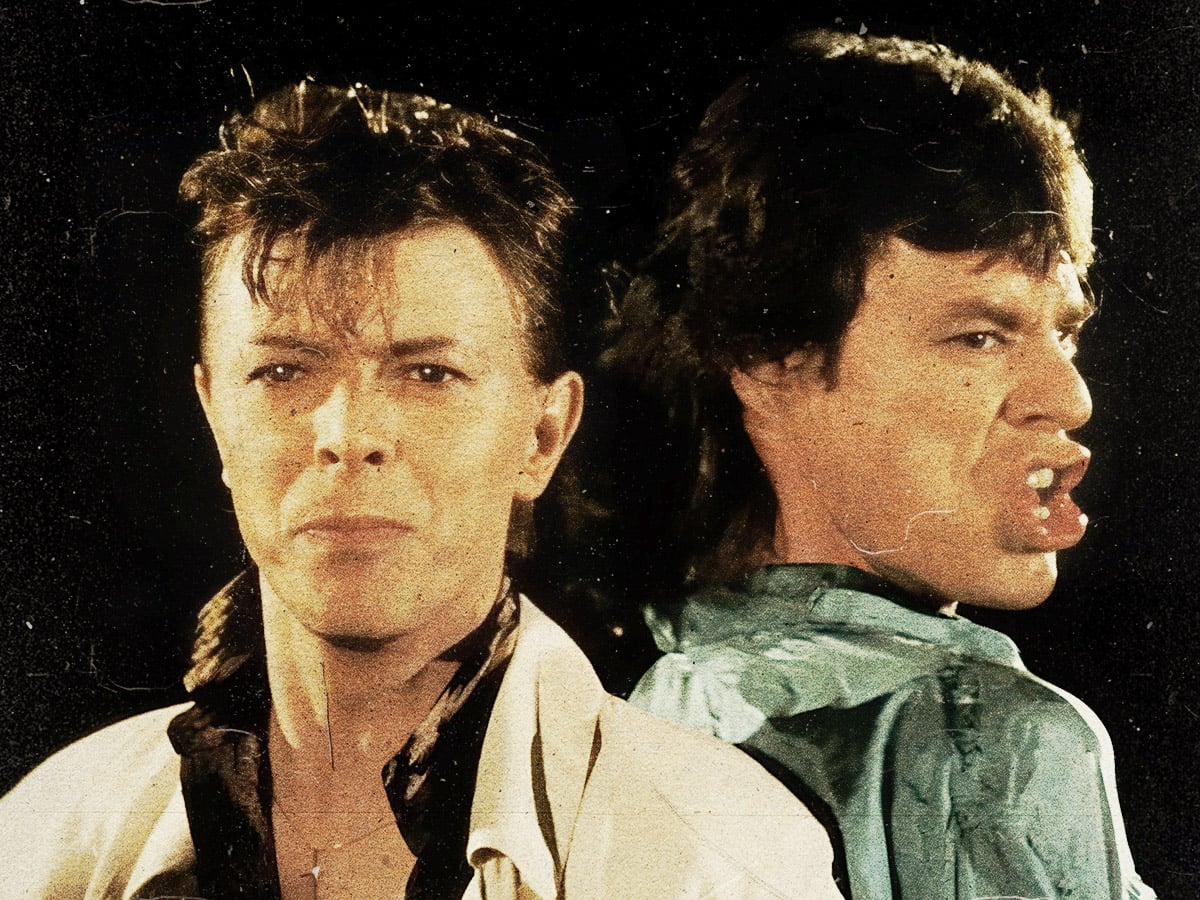
From a cover of Mick Jagger to the man himself. Were it not for the fact that this cover of the Motown classic was released as a charity single for Live Aid, it would likely be the most embarrassing career moment of both Jagger and David Bowie. With an equally cheesy music video to boot, ‘Dancing in the Street’ feels like a 1980s fever dream.
The pair were not the first to cover the Marvin Gaye-penned track, with notable efforts from The Kinks, Little Richard and the Grateful Dead, among others. You might think that getting two musical icons in Jagger and Bowie, together in a studio would spark magic, but their version of ‘Dancing in the Street’ is hard evidence against that idea.
’Fortunate Son’ – U2 (Creedence Clearwater Revival)

‘Fortunate Son’ evokes images of the anti-war movement and counterculture, sticking it to the man, whereas U2 falls on the entirely opposite end of the spectrum. Bono and the gang show a complete ignorance of the spirit of CCR’s original recording, with their version feeling almost indifferent to the rousing atmosphere of the original.
Their strange dance-rock reimagining of the track, fortunately, never reached an album release by U2. It was one of a handful of covers recorded during the Achtung Baby studio sessions to be used as B-sides for the album’s single releases.
‘Love Will Tear Us Apart’ – Fall Out Boy (Joy Division)
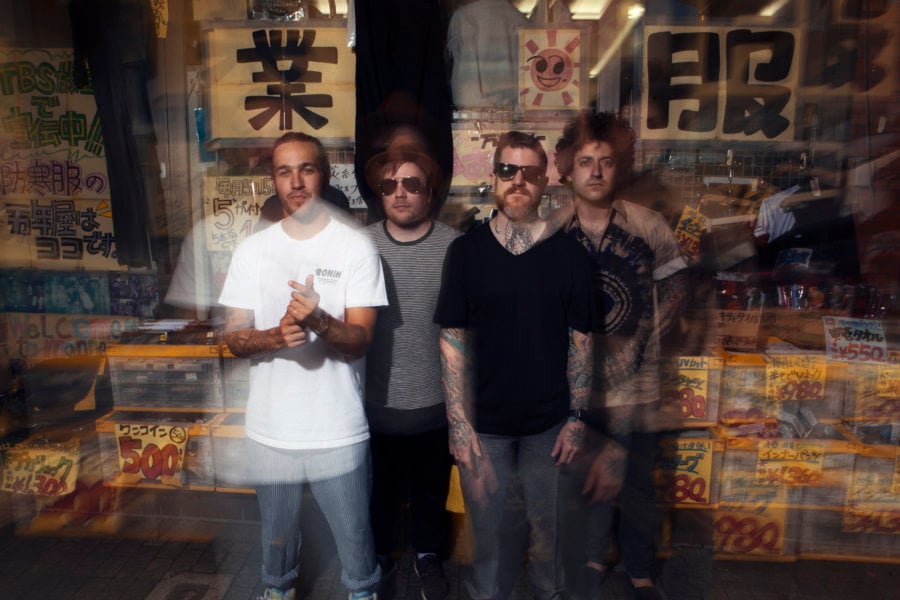
Joy Division is another group that feels almost sacrilegious to cover; the legend surrounding the band and its late lead singer, Ian Curtis, makes the idea of reimagining their music feel daunting, to say the least. However, you would hope that – if you were to cover Manchester’s finest – you would put in a little bit more effort than Fall Out Boy did covering Joy Division’s defining track, ‘Love Will Tear Us Apart’, on their 2004 album My Heart Will Always Be the B-Side to my Tongue.
Again, it is not that the track is unrecoverable, The Cure made a pretty good job of it, but something about Patrick Stump’s self-aggrandising vocals on this that feels utterly offensive. Perhaps that is a result of the fact that the song essentially became a memorial track for Ian Curtis, its title emblazoned on his grave. It just goes to show that just because you technically can do something, it doesn’t mean you should.
‘911 Is a Joke’ – Duran Duran (Public Enemy)
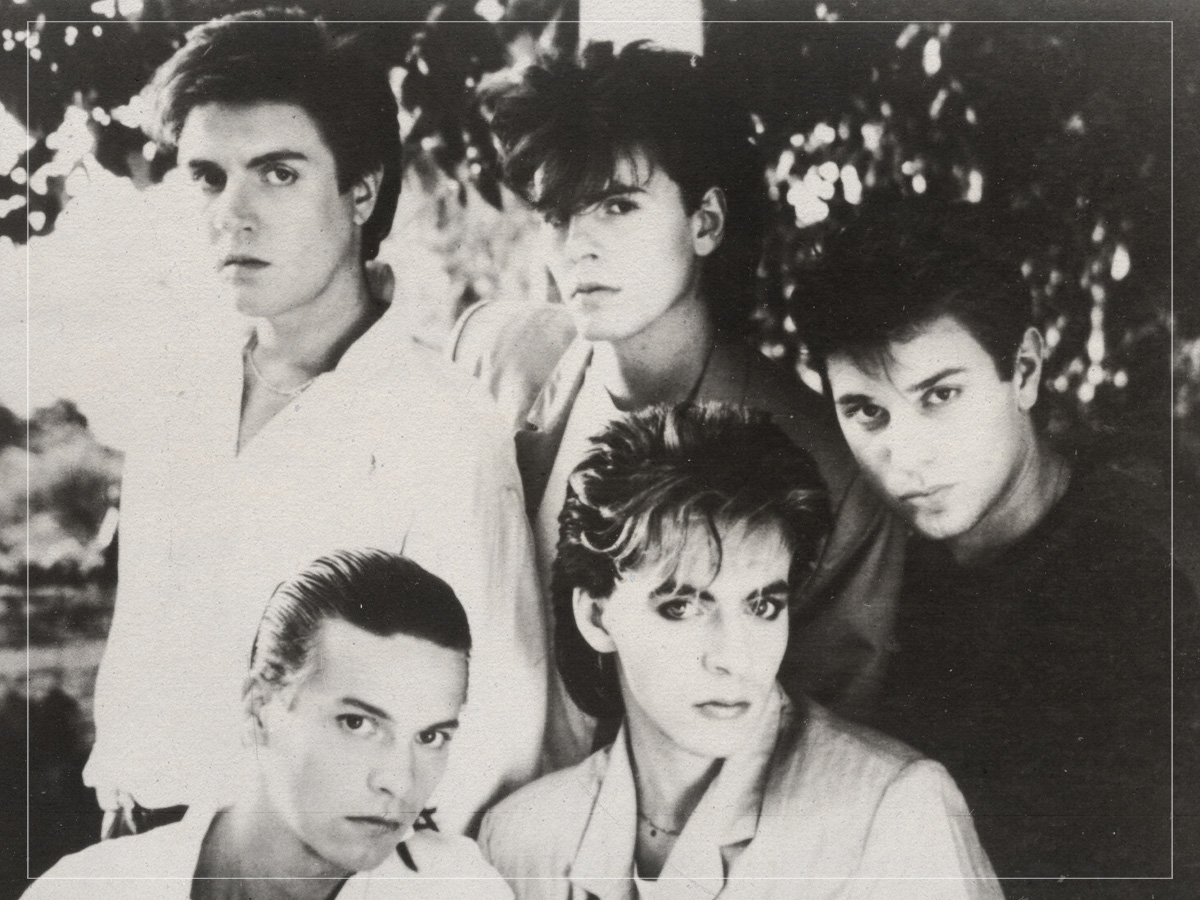
Thus far, our list has covered the offensive, the ridiculous and the misguided – this track covers all three of those qualities. Whatever possessed 1980s pop giants Duran Duran, known for their flamboyant style and glamorous music videos, to cover a hip-hop song about racial discrimination within emergency services is beyond the realms of understanding.
One of the most important hip-hop groups of all time, Public Enemy were noted for their outspoken political views. ‘911 Is a Joke’ was a 1990 protest track discussing the disproportionately long wait time for emergency services in predominantly Black neighbourhoods. Duran Duran (who are not Black…obviously) covered the track on their 1995 album Thank You. The record was composed entirely of covers, with the Midlands pop group taking on Lou Reed, Bob Dylan, Iggy Pop and others across the track listing. Their take on ‘911 Is a Joke’ is a blues-influenced mess, with Simon Le Bon’s flow leaving more than a little to be desired.
