


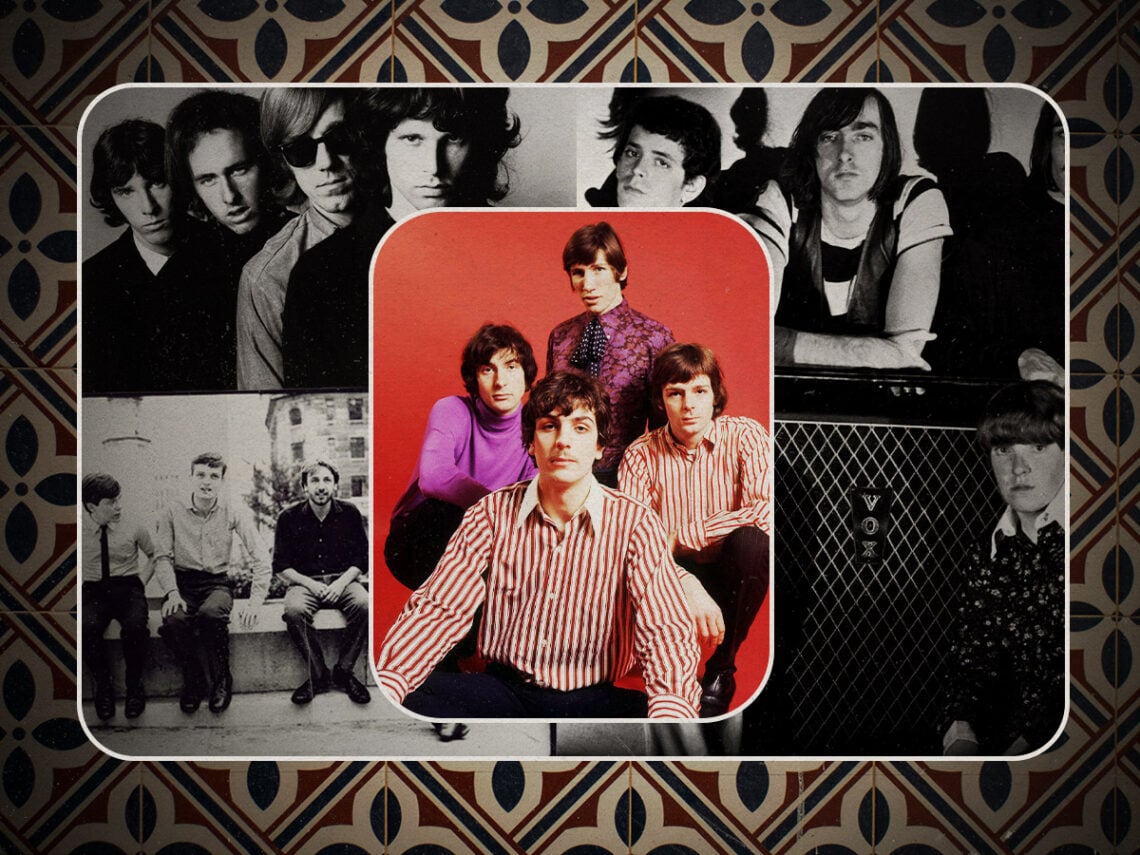
The 10 most unsung musicians who made their bands great

Guitar, bass, drums and vocals; save for the desire to add a few additional textural elements, these are often seen as being the key elements required for forming the basis of a rock band; it’s as simple as that.
Given how these are the core elements of a band, you’d think that those listening will be able to ascertain that each of them is just as important as the other, and that there shouldn’t ever be a hierarchy of members when it comes to trying to establish who is the most crucial to a band’s sound. Unfortunately, not everyone in a band gets treated as an equal, and the playing field is far from being level.
Of course, there’s an apparent gulf in quality at times, and the superior talents of one member can end up highlighting them to some listeners as being the most important part of a band, but does technical flair, flashiness, or a supreme sense of self-confidence actually make any one member of the band more significant than another?
Sometimes it’s those who tend to avoid the spotlight and remain in the background who end up proving themselves to be the most irreplaceable or influential towards the overall sound of a band, and while there are larger-than-life figures, who, intentionally or not, end up taking the majority of the plaudits, there should be more space afforded to celebrating the unsung heroes of our most acclaimed acts.
Forget frontpersons, here are a number of bands that have had members who were so integral to their sound that they’d have been a completely different prospect had they not been present.
10 bands and their most significant and underrated member:
Radiohead – Ed O’Brien
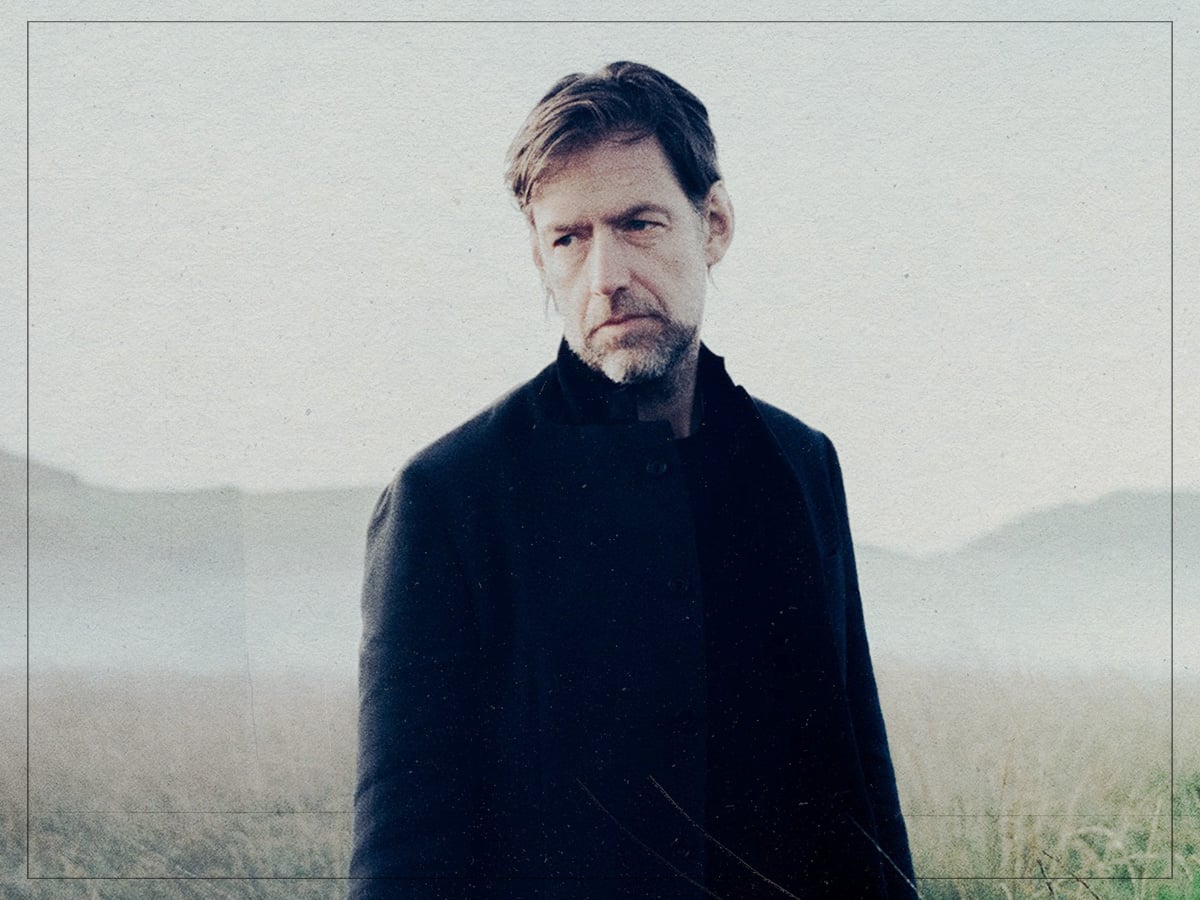
When discussing the strengths of Radiohead, lots of people are immediately going to be drawn to the vocals and songwriting of Thom Yorke and the incredibly emotive guitar work of Jonny Greenwood, who was also responsible for a large amount of additional arrangement in the band on their later work. You’ve also got a solid rhythm section in Colin Greenwood and Phil Selway supporting this dynamic duo, but while the band would undoubtedly still sound incredible as a four-piece, the additional guitar of Ed O’Brien elevates things to the next level.
What O’Brien adds to so many of the best Radiohead songs is texture, with twinkling guitar parts and tremolo-laden lines there to underpin often frantic parts laid down by the younger Greenwood brother. Not every band requires a second, or even a third guitarist in the case of some of the Oxford group’s material, but without the parts provided by the towering figure of O’Brien, tracks like ‘Let Down’ and ‘Talk Show Host’ would be missing some of the atmosphere that makes them special.
Primus – Larry LaLonde
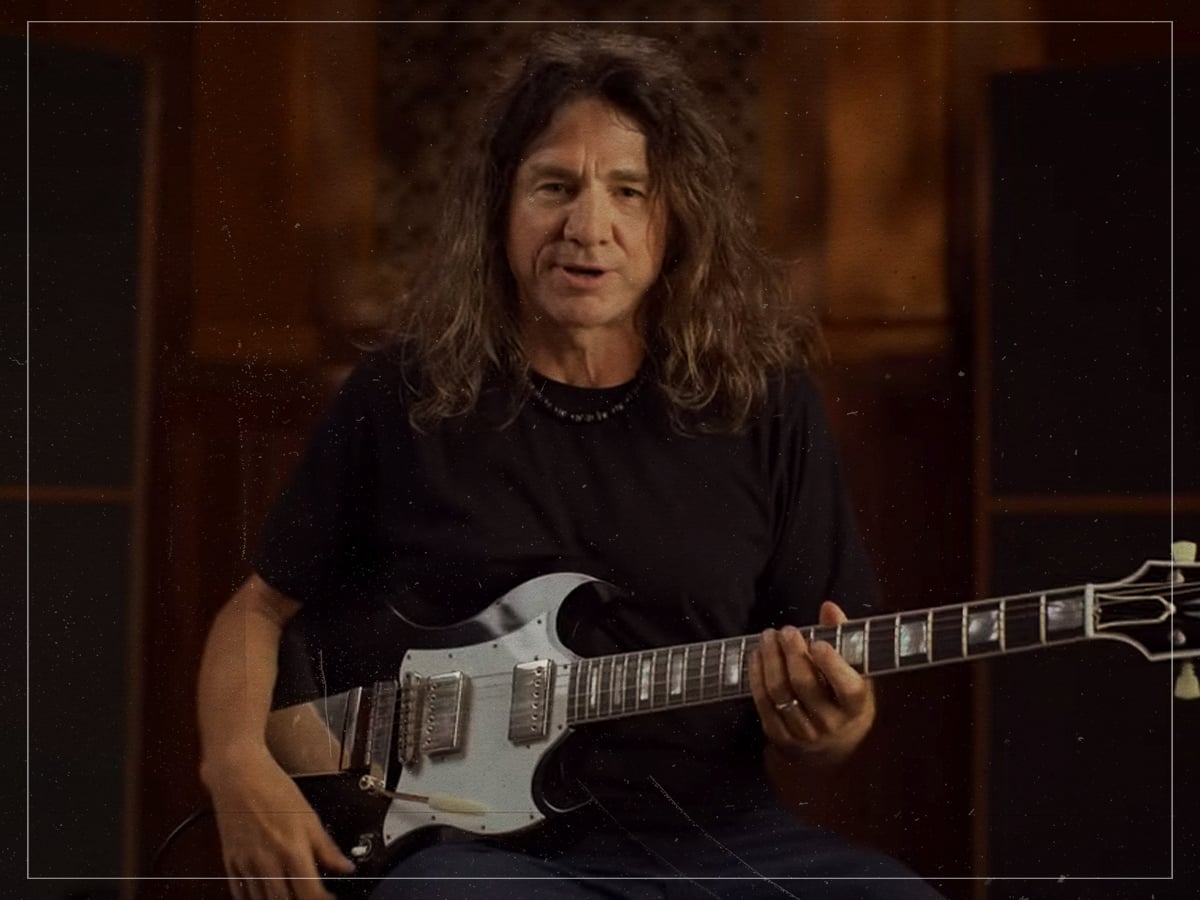
If you’re operating as a trio, then it’s hard for any member of the band to really come across as being underappreciated, but when you’ve got a figure like Les Claypool playing an instrument traditionally not utilised as the main focal point of a band in the most spellbindingly technical fashion, then it’s hard to place your attention elsewhere. As lead bassist, he is the most obviously mercurial talent in Primus, and for a significant portion of the band’s lifespan, was impeccably backed by Tim Alexander on drums.
But while most are focused on the frankly bonkers funk rhythms being laid down by this duo, soaring guitar parts are being provided by Larry LaLonde, whose previous experience playing in metal outfits is what gave Primus their heavier edge. Whether he’s delivering ripping solos or simply supporting the frenetic bass and drum parts, it takes an absolute beast of a guitarist to be able to keep up with someone like Claypool, and to have done it for nearly 40 years takes immense talent.
The Rolling Stones – Brian Jones
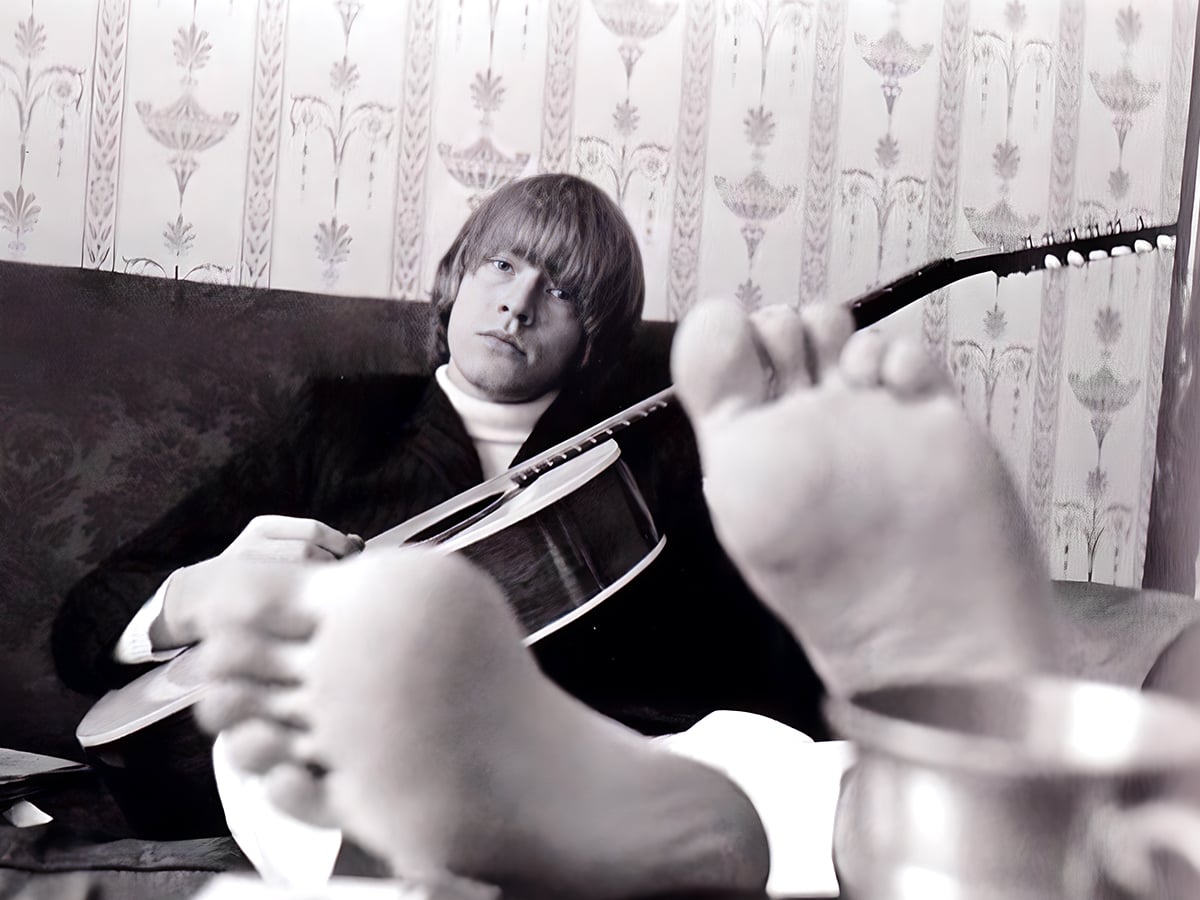
Perhaps a slightly controversial inclusion, given how illustrious The Rolling Stones went on to become in the years after his departure, and how members like Bill Wyman and Charlie Watts tend to be perceived as secondary to the exploits of Mick Jagger and Keith Richards, there’s absolutely no doubt that the band would have taken a lot longer to get off the ground in their early years if it hadn’t been for the guidance of multi-instrumentalist Brian Jones.
While Jagger and Richards would establish themselves as the songwriting team for the group, it was Jones’ contributions to their albums throughout most of the 1960s that helped the band establish something of a trademark sound, and regardless of what instrument he was playing at any given time, his flourishes were a masterful addition to works that wouldn’t have had the same magnetism without them. After his departure and death, you can still hear elements of the sound that Jones brought to the band being utilised, and had he not been there at the start, their classic albums from the subsequent years wouldn’t have sounded the same.
Pink Floyd – Richard Wright
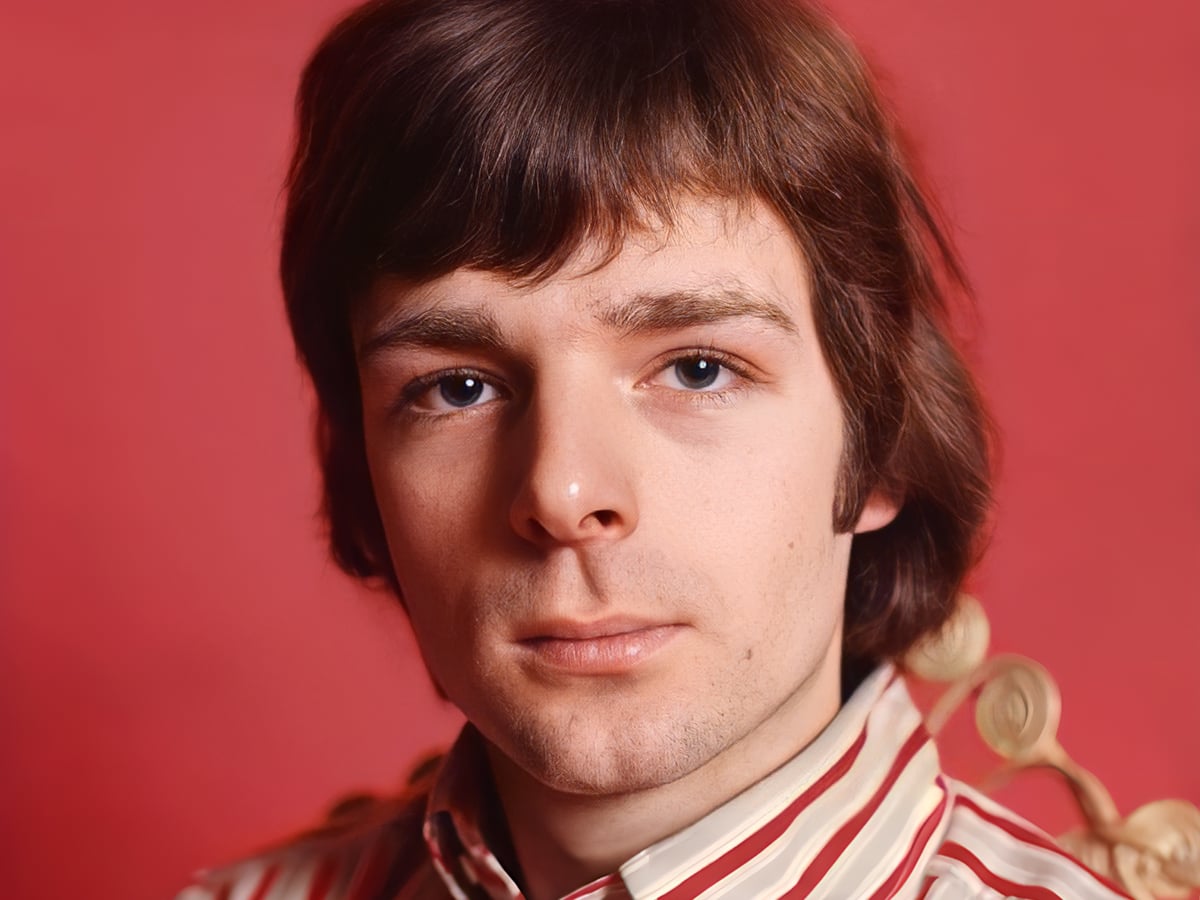
For a long time, the spot I’d reserved for a member of Pink Floyd was up in the air, fluctuating between being offered to keyboardist Richard Wright or drummer Nick Mason. David Gilmour, Roger Waters, and even Syd Barrett, despite his comparatively brief tenure with the group, all get their flowers enough, while the remaining two figures are relegated to the sidelines, despite both being integral to their sound. But then I asked myself, ‘What are Pink Floyd all about?’, and with that, I had my answer.
All of the members were responsible for adding their own psychedelic textures and atmosphere to the band’s music, but perhaps none more so than Wright, whose synth wizardry arguably accounted for a large portion of the environment that their work inhabited. If you subtract Wright’s ethereal, spaced-out sound design, you’d still be left with a pretty decent rock group, but when some songs are almost dependent on their presence, it’s hard to imagine whether there would be the same level of allure.
The Jimi Hendrix Experience – Noel Redding
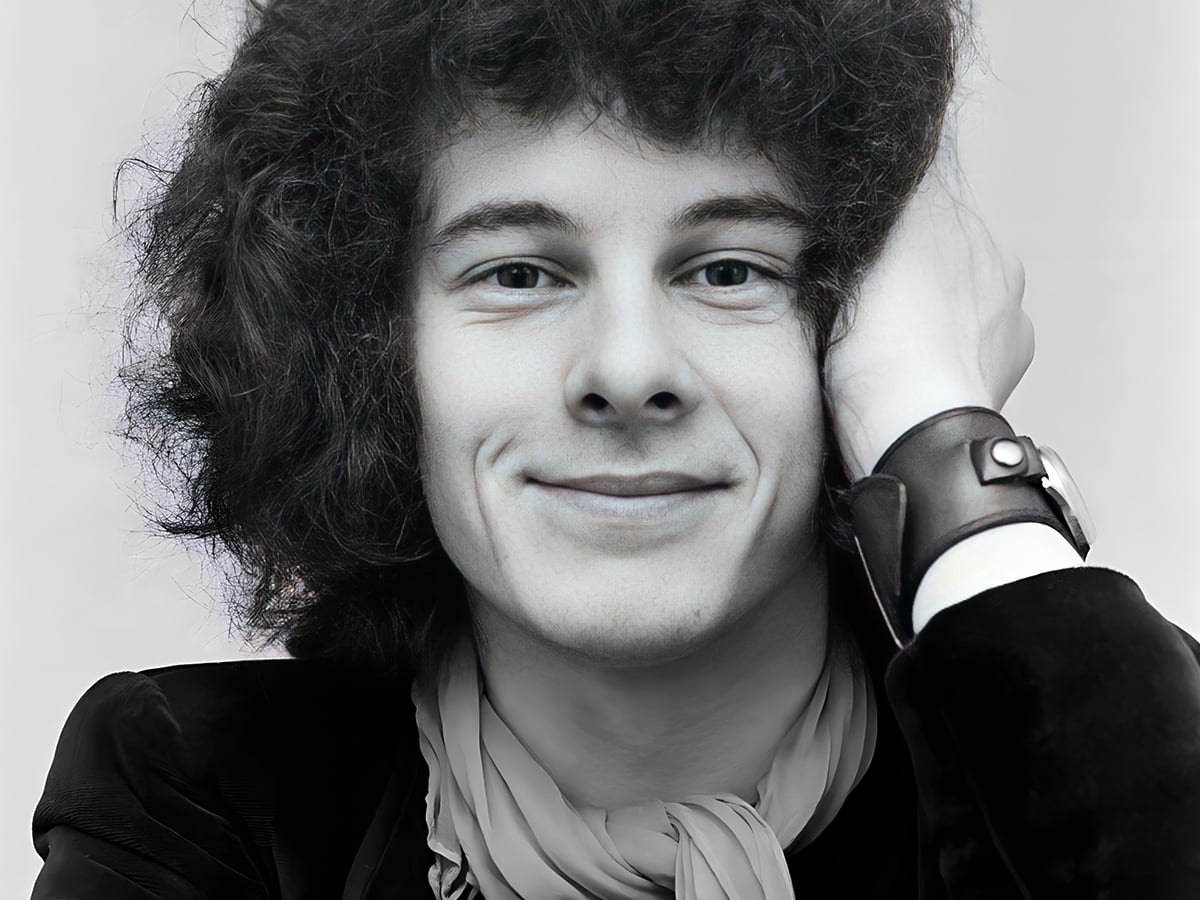
When you’re in a band that takes its name from the lead member, you’re automatically resigning yourself to not being the star of the show. Of course, Jimi Hendrix was fully deserving of his status as the central figure of his eponymous Experience, given how his revolutionary and groundbreaking guitar playing was designed to be the headline-grabber, but that doesn’t mean he wasn’t flanked by two supremely talented musicians to complete his power trio.
Similarly to Pink Floyd, the title of the most underrated member could have gone to one of two members, but upon consideration, one could argue that the drumming of Mitch Mitchell is more frequently discussed than the bass playing of Noel Redding. It wasn’t necessarily all about his technique when it comes to assessing why he was so complimentary to Hendrix’s guitar playing, although his looseness and adaptability when it came to rhythm was key, but more about his trebly tone and use of effects which made him the perfect fit, and not enough people recognise just how crucial this was at all points in the trio’s discography.
Led Zeppelin – John Paul Jones

Member for member, has there ever been a more talented and tight rock outfit than Led Zeppelin? The sheer power and expressiveness of Robert Plant’s vocals, the roaring guitar solos of Jimmy Page, and the earth-shattering beats of John Bonham are all examples of musicians at the top of their game, but who’s that other guy in the band? Far from being simply the fourth member of Led Zeppelin, John Paul Jones is arguably the lynchpin that holds everything together in the band, and perhaps one of the greatest bassists of all time.
Beneath every crunching riff, bombastic drum break and semi-orgasmic wail is a bassline that somehow manages to capture the same energy as all of the parts being played by his bandmates. If what the other three were doing ever felt slightly off, it was Jones’ part that would help things make sense and add clarity to the chaos. Many people undervalue the importance of a bassist, but Jones was always more than that; he was an irreplaceable component and a fountain of ideas that offered cohesion to a seemingly untameable behemoth.
The Smiths – Andy Rourke

Despite having struggled to crack their American audience during their brief time together as a band, The Smiths are viewed in the UK as a genre and era-defining act, whose novel approach to stripping back rock music through intertwining twinkling melodies with gut-punching lyricism essentially paved the way for indie rock to exist. The melodramatic vocals of Morrissey were the perfect companion to Johnny Marr’s jangling guitar lines, but in addition to both of these elements, there was a third melody countering their combined work.
Somehow adding even more to the already plentiful tunes, yet never overcomplicating things, the bass playing of Andy Rourke bounced off the ideas of Marr and Morrissey perfectly, almost as though he intuitively knew where his part was meant to go when hearing what his bandmates had conjured up. It says a lot about the importance of Rourke that when they fired him shortly before the release of The Queen Is Dead, amidst a growing drug problem, his replacement, Guy Pratt, lasted two weeks before the band realised that nobody but Rourke could fill the role.
The Doors – John Densmore
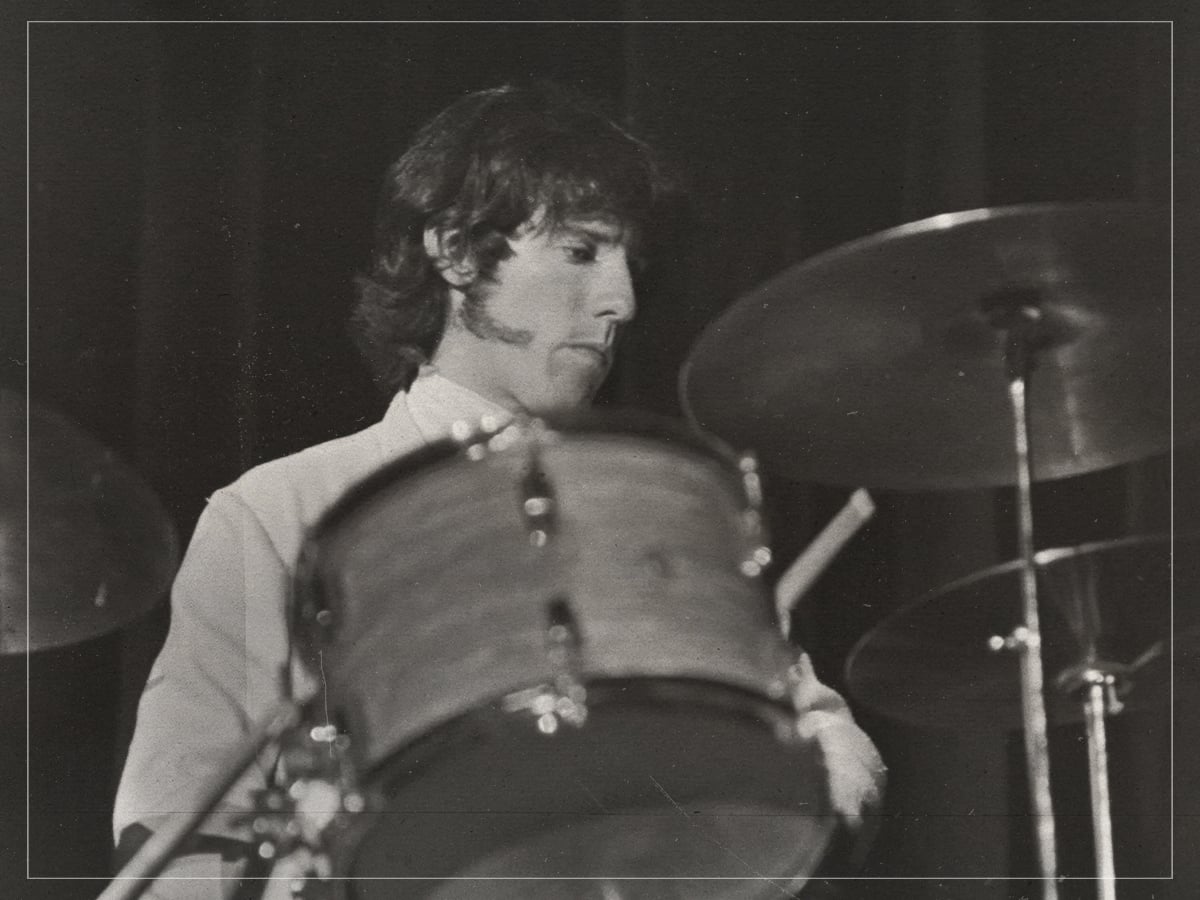
Yes, The Doors were largely characterised by the enigmatic presence and poetry of frontman Jim Morrison alongside the frequently carnivalesque organ playing of Ray Manzarek, but when the band entered into a groove that didn’t require Morrison to be singing, and where Manzarek’s right hand was given a reprieve, it was down to the remaining two members to have their time in the spotlight. While Robby Krieger’s jazz-influenced noodling on guitar was still impressive, it was John Densmore’s drums that truly completed these exploratory improvised sections.
With a somewhat tribal approach to rhythm, his flair for his instrument was perfect for applying a moody yet psychedelic feel to the band’s sound, and when he wasn’t locking into a hypnotic groove, he was equally able to unleash a more animalistic side to his craft. The Doors were clearly exceptional as a unit, but it was Densmore who was perhaps the secret weapon when it came to toying with dramatic dynamic shifts in their compositions, and his versatility makes him the sort of drummer that his peers all envied.
The Velvet Underground – Maureen Tucker
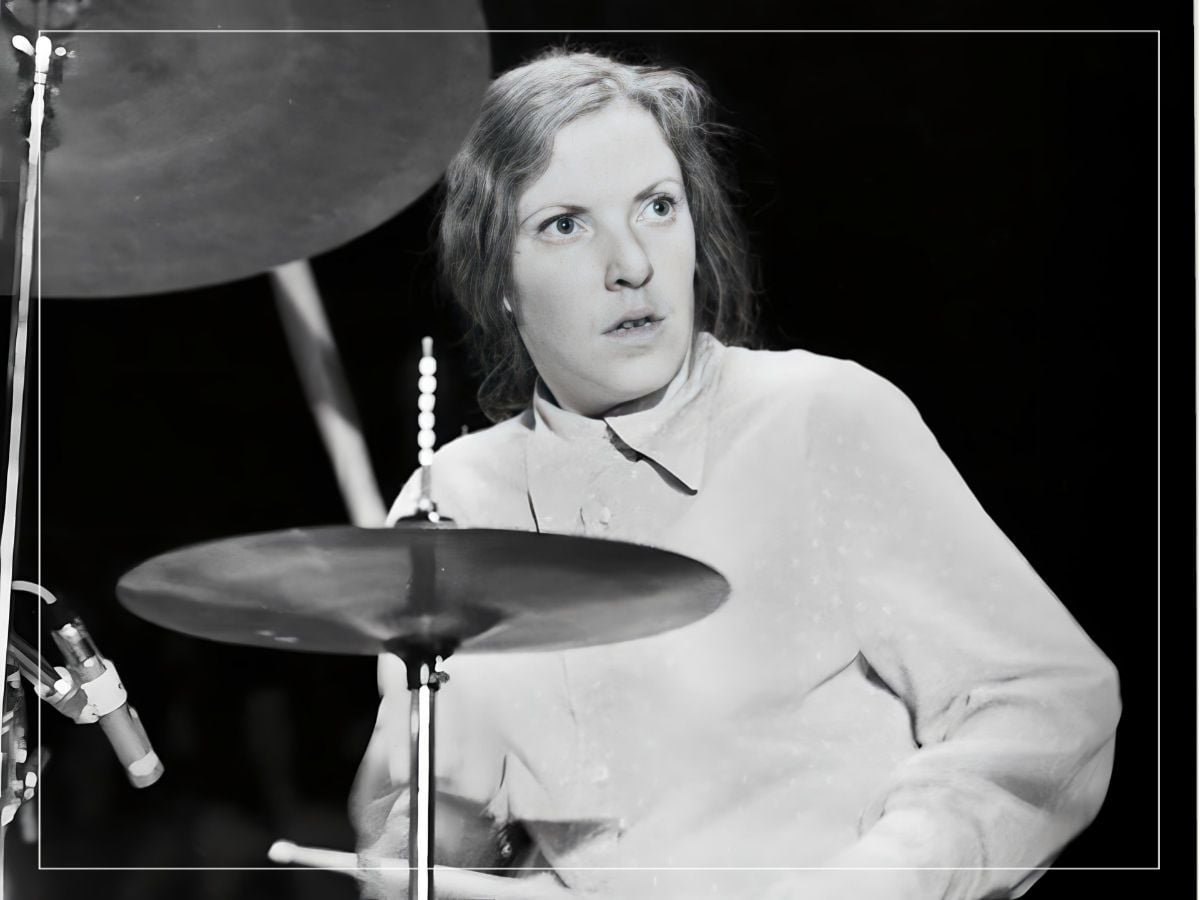
Considering how no other band had sounded quite like The Velvet Underground before they emerged, and how very few have managed to sound like them since, you’d think that the core of the group would all be just as important as one another. You’d certainly be right in thinking that as well, but for all the wild experimentation laid down by the group, it was perhaps the most reserved member who would have been the hardest to find a suitable substitute for.
While the band were hardly what one might call conventional, Maureen Tucker’s approach to the drums was frankly inconceivable for a rock band. Standing rather than sitting behind her shell of a kit, her simplistic yet primitive style is so full of character, and fits wonderfully alongside the shambolic and unrestrained performances of the rest of the group. If there was a flashier drummer behind the kit on their songs, the charm would all but vanish, but the minimalistic way she handled her role couldn’t have been a better accompaniment to their proto-punk energy.
Joy Division – Stephen Morris
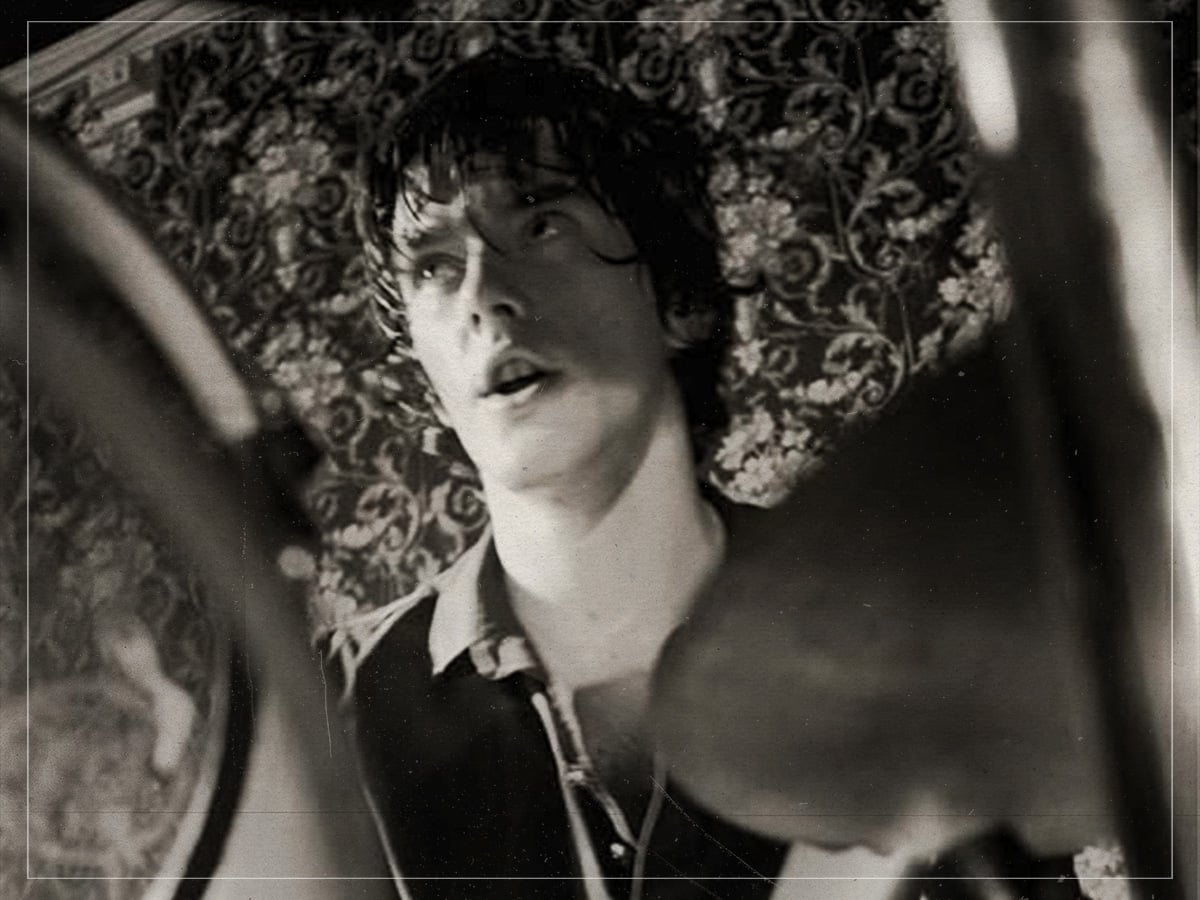
While very little about Joy Division was ever rooted in flashiness, the band were largely reliant on establishing both a mood and a strong sense of rhythmic energy. Many will point to Peter Hook’s propulsive basslines as being the main focal point of this aspect of the band, but upon closer inspection, the drumming of Stephen Morris was just as important to their overall output.
Frankly incapable of missing a beat, Morris’s style could flit between industrial dirge and precise timekeeping, and when the band were at their most visceral, it was his sense of impenetrable rhythm that elevated the songs to a higher level. Of course, his contributions to New Order were just as vital, but given how their sound shifted more towards utilising more electronics, his contributions to the group were more obvious by this point. With Joy Division, he was undoubtedly the unsung hero of the group and a driving force they’d have been lost without.

Never Miss A Beat
The Far Out Led Zeppelin Newsletter
All the latest stories about Led Zeppelin from the independent voice of culture.
Straight to your inbox.