


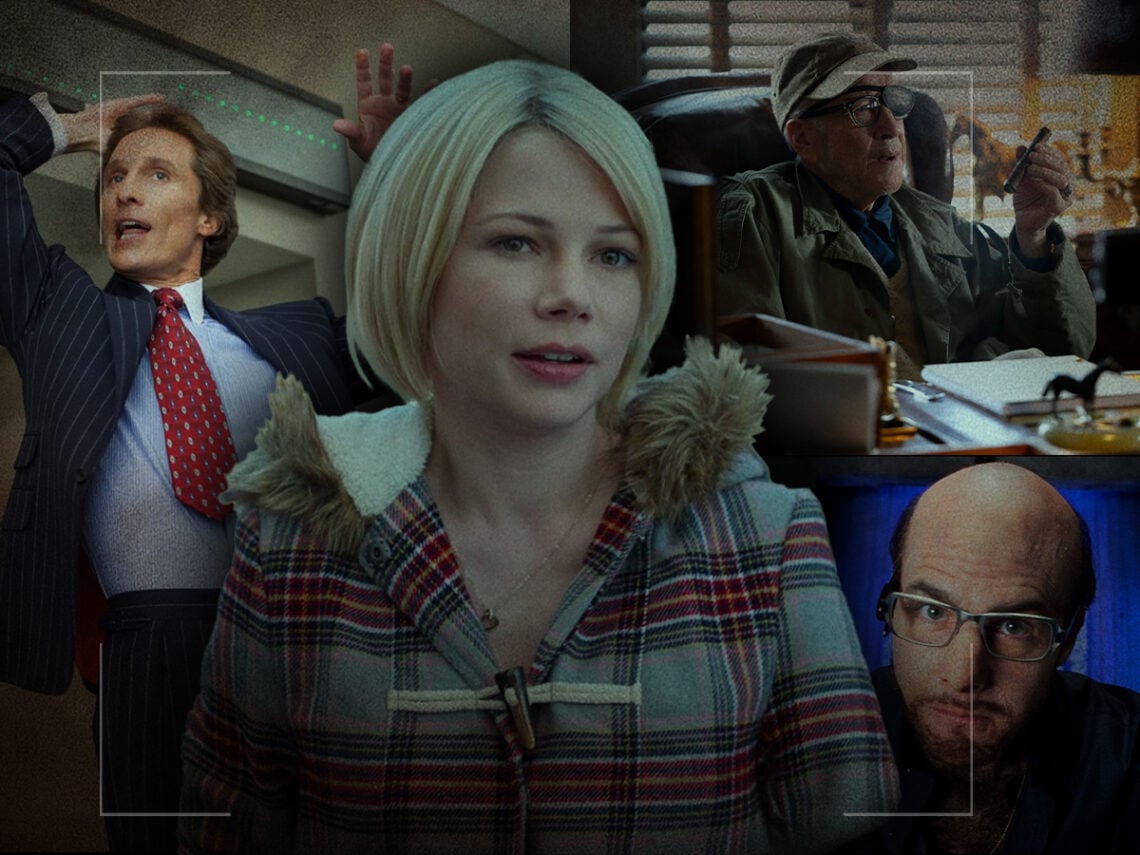
The 10 best 10-minute acting performances you’ll ever see

Actors often seek out the roles that are the most memorable, not ones that give them the most screen time.
A mistake that many actors may make when starting their careers is conflating importance with playing the lead role. Although having the protagonist part in a film may end up being a showcase, it doesn’t guarantee that there will be an intended impact, with quite a number of those who had one defining role and seemed to be their apex, subsequently failing to do anything of note throughout their careers.
More often than not, it’s an issue of being overexposed, as there’s no way for an actor to be constantly mugging the screen without audiences inevitably getting sick of them. Acting is a laborious task, which is why it’s often the supporting roles that end up being the most memorable; for instance, it is impossible to think about No Country For Old Men without Javier Bardem, The Dark Knight without Heath Ledger, Inglourious Basterds without Christoph Waltz, or Whiplash without JK Simmons, in their respective antagonist roles.
However, it’s not even always a secondary role that is required to have a significant impact on the legacy of a film, where there are performances that have stood the test of time, despite a screen time of only ten minutes or less. One of the most important tricks that any actor should learn is to leave their audiences wanting more, and it speaks a lot to a performer’s ability if they can steal a film with only a few brief moments of standout material.
The 10 best 10-minute acting performances ever
Alec Baldwin, ‘Glengarry Glen Ross’ (James Foley, 1992)
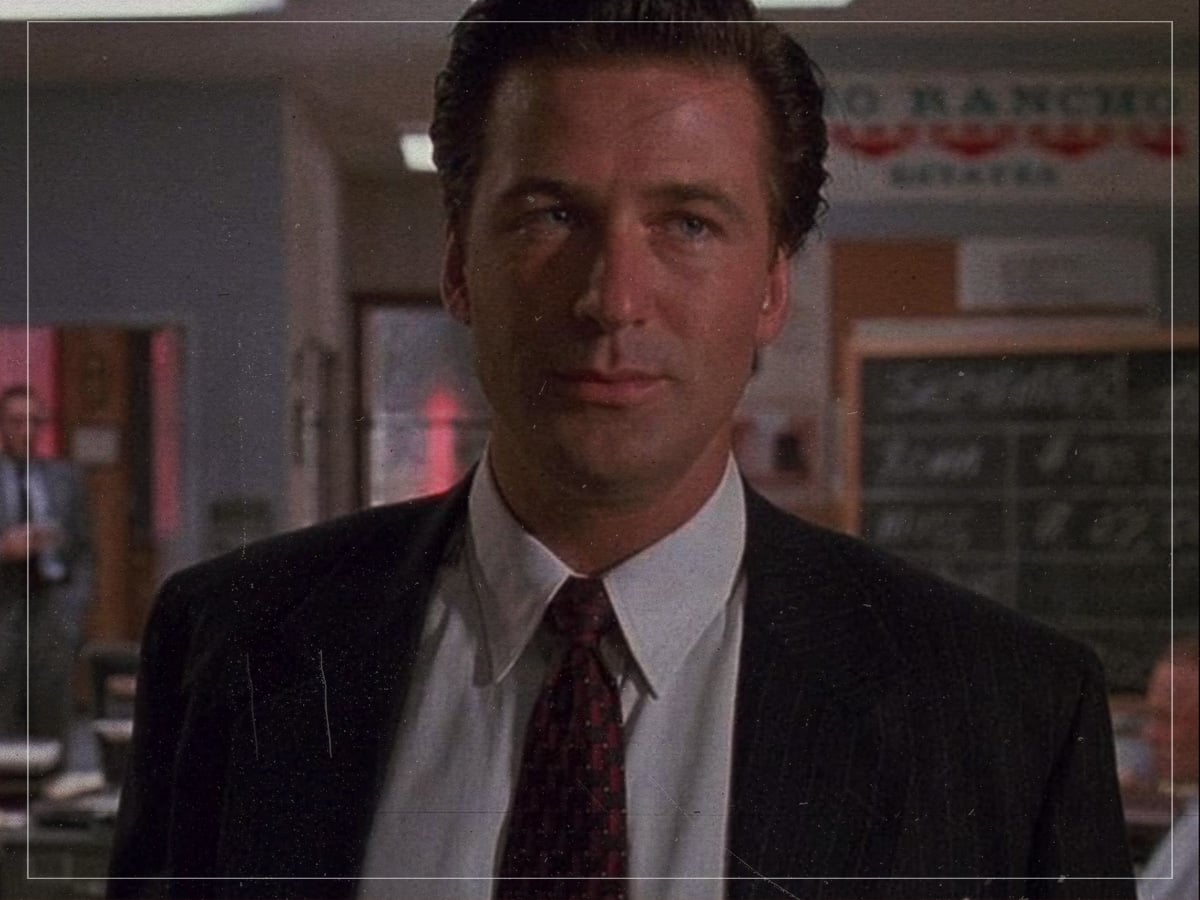
Alec Baldwin admittedly has some limitations as an actor, but he has been perfectly utilised for specific parts in which he plays menacing, yet darkly hilarious figures of authority. David Mamet’s stage play Glengarry Glen Ross was already a Tony Award-winning sensation, but when adapting it for the big screen, director James Foley decided to include a new scene in which Baldwin plays an executive who berates the main characters with a colourful array of insults.
It’s a performance that employs Mamet’s trademark dialogue in all of its exacting nature and shows the dark comedy that the rest of the film will abide by. It’s by far one of the most memorable performances that Baldwin has ever given, and in many ways helped to inspire his most beloved role as Jack on the acclaimed NBC sitcom 30 Rock.
Matthew McConaughey, ‘The Wolf of Wall Street’ (Martin Scorsese, 2013)
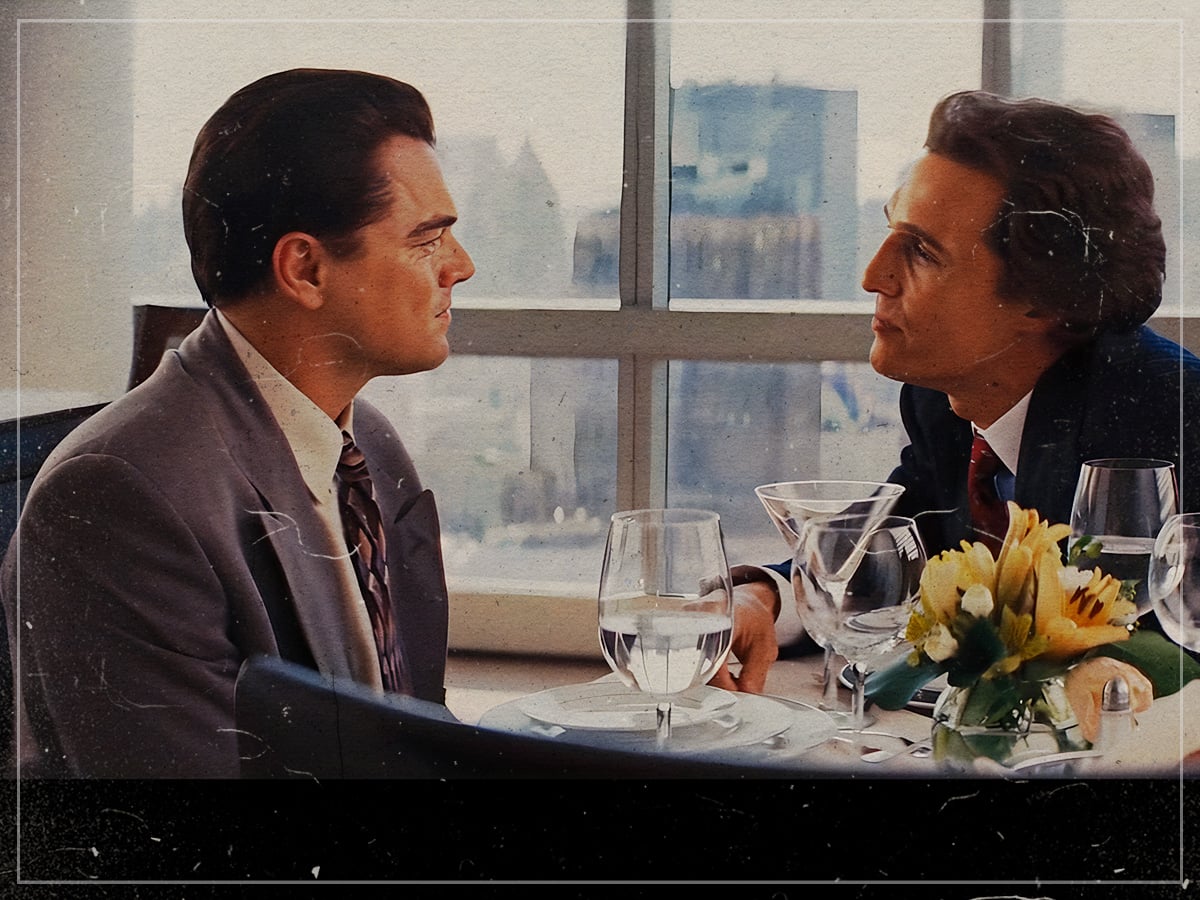
Matthew McConaughey had been facing some career challenges before his comeback in 2013, when he ended up winning the Academy Award for ‘Best Actor’ for Dallas Buyers Club, and delivered an even more subtle and moving performance in the independent drama Mud, but his best performance in 2013 was actually in The Wolf of Wall Street as Mark Hanna, an aggressive Wall Street veteran who becomes the mentor to Leonardo DiCaprio’s Jordan Belfort.
McConaughey had developed a habit of beating his chest to warm up before a scene starts, and Martin Scorsese was so impressed that he convinced him to do it in the film, and his doing so added an explosive edge of comedy to the film that was widely circulated, thanks to its prominence in the advertising campaign and trailers, and has since become the subject of many internet memes.
Viola Davis, ‘Doubt’ (John Patrick Shanley, 2008)
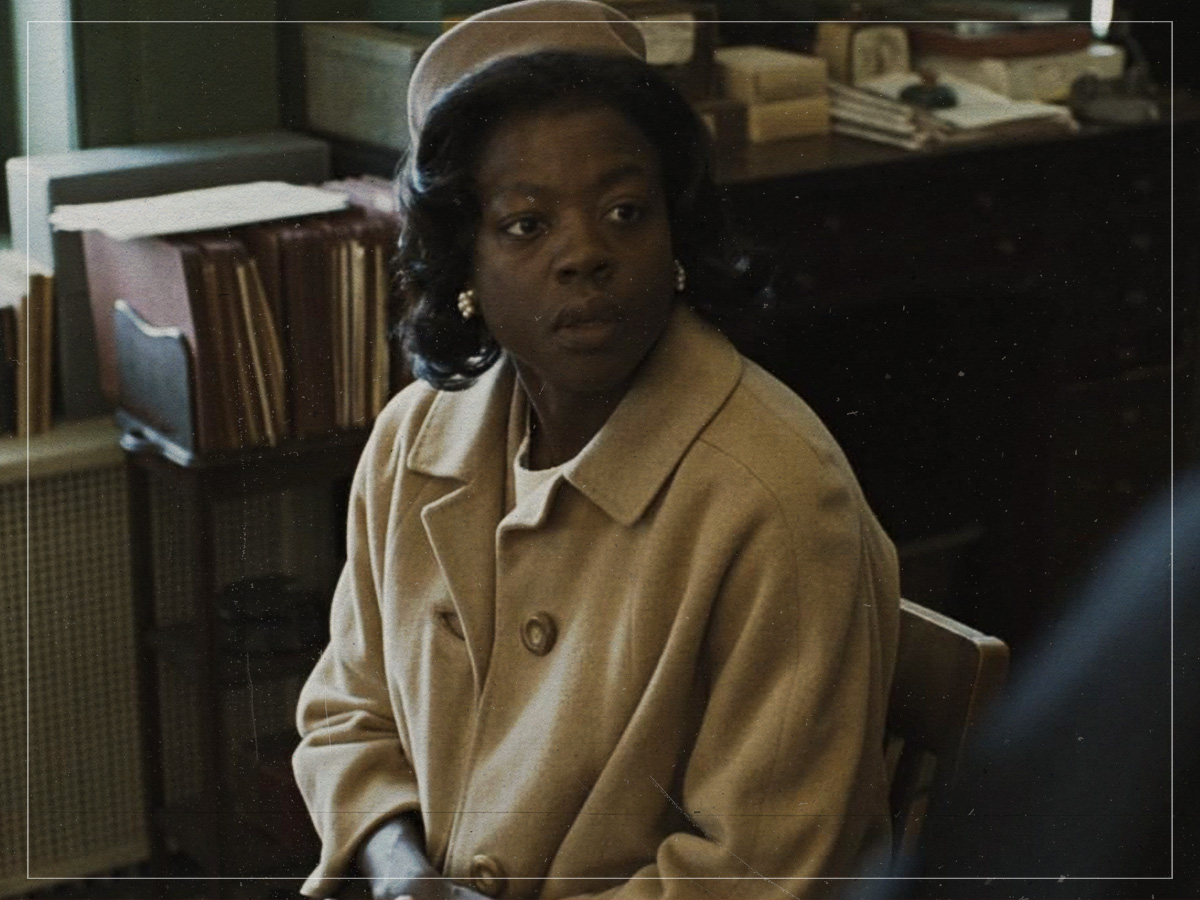
Viola Davis was already an accomplished stage actor by the time that she appeared in Doubt, an adaptation of the stage play of the same name by John Patrick Shanley, telling the story of an older nun, played by Meryl Streep, who grows concerned that the pastor, played by Philip Seymour Hoffman, at their church has been having inappropriate sexual relationships with younger boys, and Davis plays the mother of an alleged victim who is confronted.
Davis holds her own against Streep in a powerful sequence that addresses themes of class, race, power, and faith, and makes Doubt even more prickly in its conclusion as the characters must determine a solution. Despite having less than ten minutes of screen time, she managed to receive her first Academy Award nomination for ‘Best Supporting Actress’, which only solidified her status as an Oscar darling in the years to come.
Tom Cruise, ‘Tropic Thunder’ (Ben Stiller, 2008)
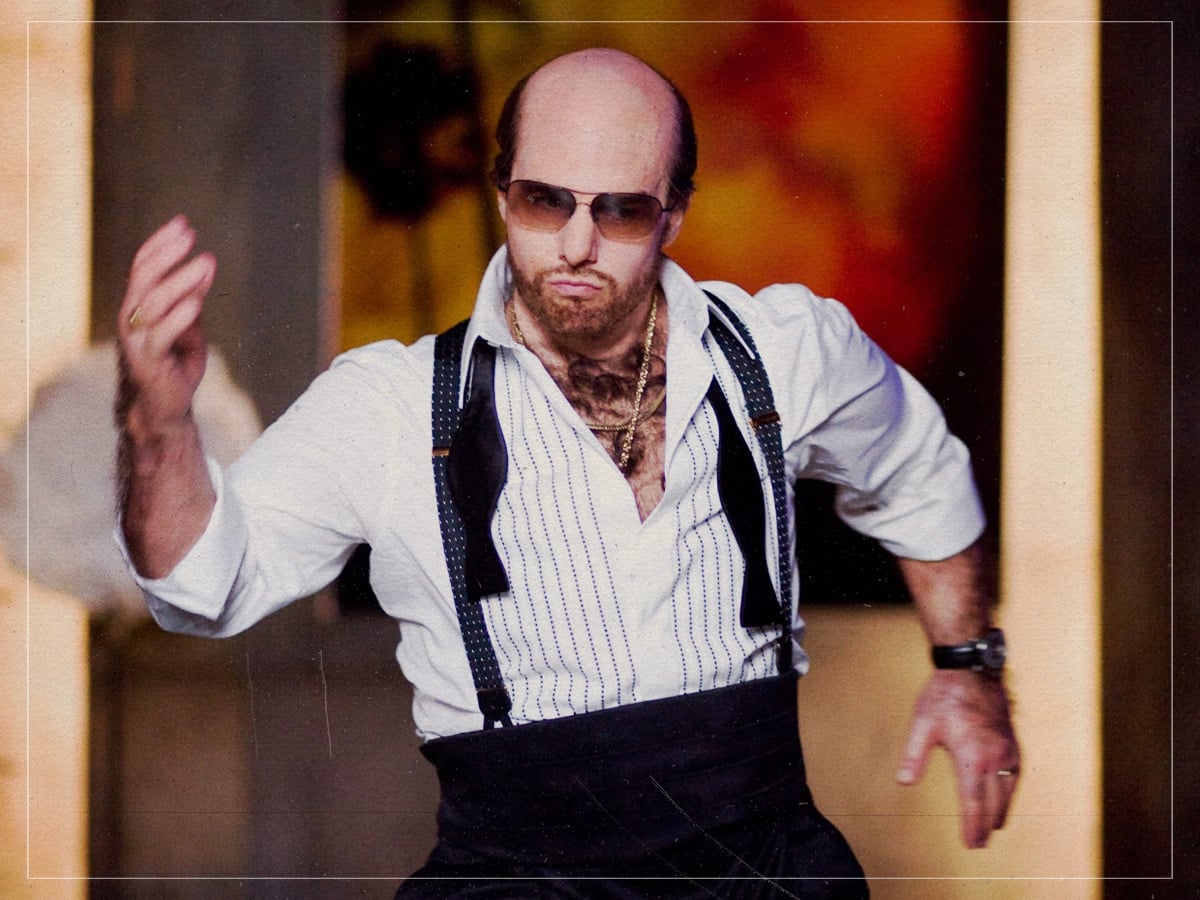
Tom Cruise was facing the first backlash of his career in 2008, as the aftermath of his infamous Oprah incident, the underperformance of Mission: Impossible III, and the failure of Lions for Lambs demanded that he become ‘cool’ again and fast. Thus, despite rarely dipping his toes into comedy, Cruise signed on to appear in Ben Stiller’s Hollywood satire Tropic Thunder as Les Grossman, an aggressive producer who was clearly modelled on Harvey Weinstein.
Cruise is nearly unrecognisable under the heavy makeup and delivers some of the most hilarious insults and one-liners in the film, leading to a performance that immediately went viral because he wasn’t even announced to be part of the film. In a cast filled with amazing performances, Cruise may have actually won the film, attaining a new level of cultural ubiquity from the hilarious dance scene that is featured in the closing credits.
David Lynch, ‘The Fabelmans’ (Steven Spielberg, 2022)
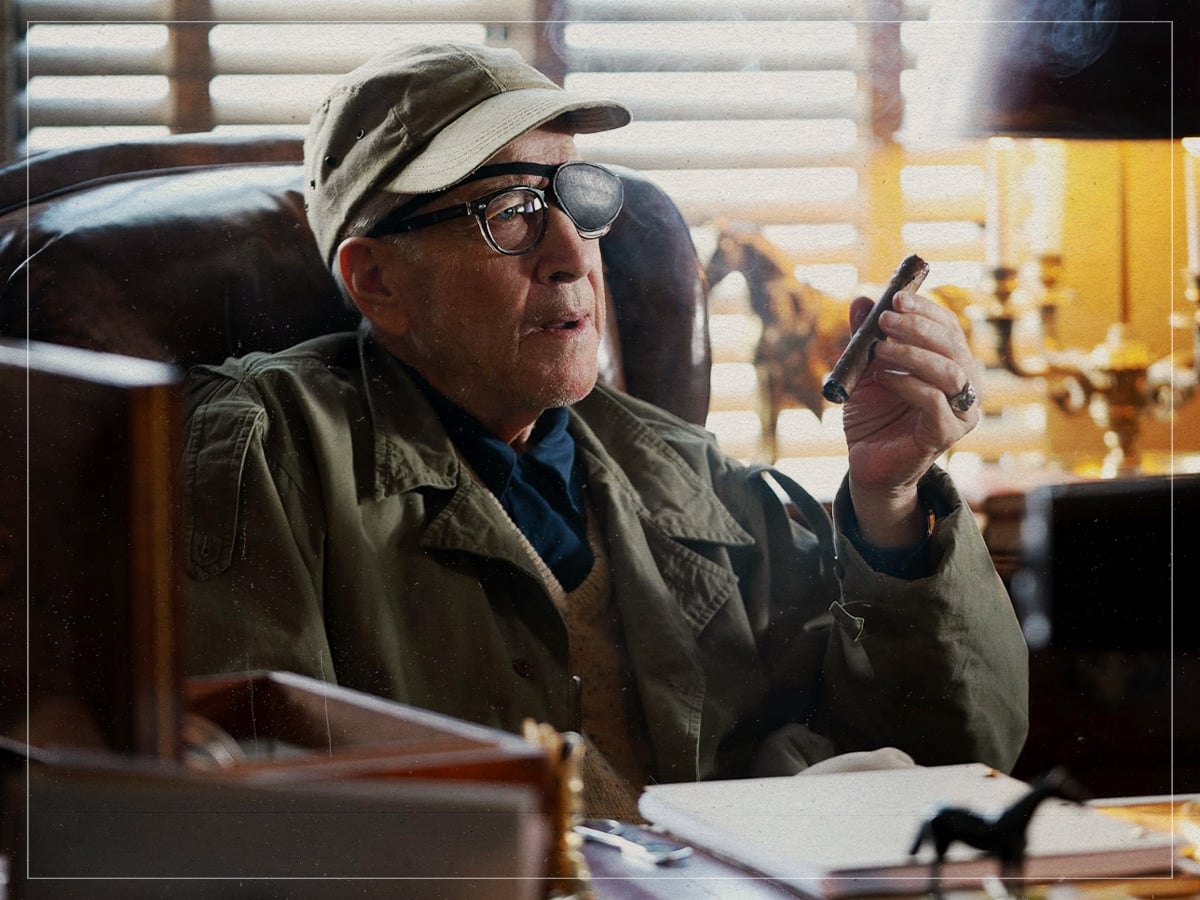
David Lynch will occasionally act in films that he doesn’t direct, and has had a longstanding friendship with Steven Spielberg based on their shared upbringing in Middle America, so when the latter decided to make a semi-autobiographical story about his own coming-of-age as an aspiring filmmaker, in the form of The Fabelmans, with Gabriel LaBelle cast as the self-insert character, Sammy Fabelman, he reached out to Lynch to bring to life a pivotal scene.
At the end, Fabelman has his first meeting with a legendary film director who is later identified as John Ford, mirroring Spielberg’s first job working under him in real life, and it was only fitting that an all-time great director like Ford be played by another amazing filmmaker. Lynch perfectly captured a quirky sense of humour that embodied the eccentric qualities of both of them, and in the wake of his tragic passing only a few years later, his The Fabelmans performance stands as a beautiful swan song for his career.
Robert Duvall, ‘To Kill A Mockingbird’ (Robert Mulligan, 1962)
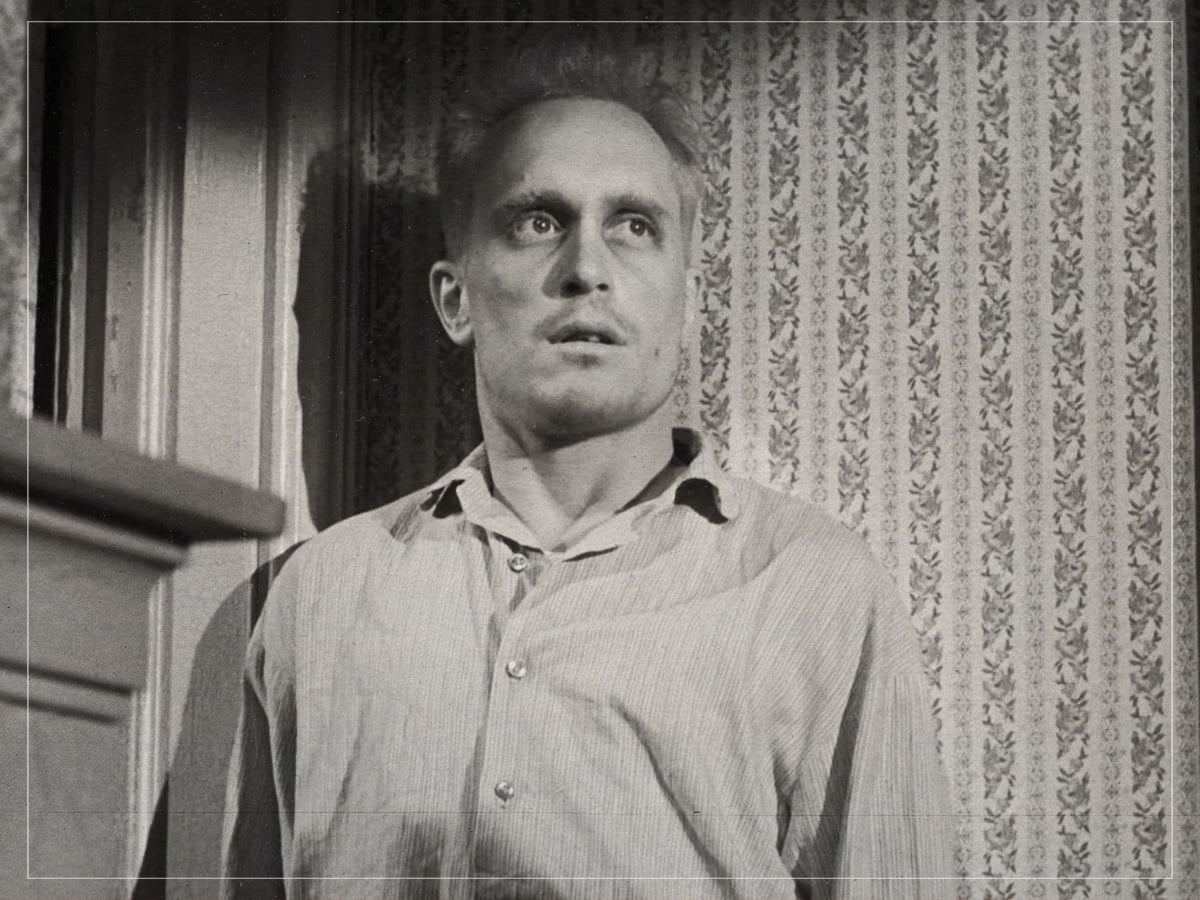
Although many of his most famous roles were from the New Hollywood era with The Godfather, Network, and Apocalypse Now, Robert Duvall is an actor who served as the link between multiple generations, having actually started his career back in the Golden Age of Hollywood, where he delivered his first performance ever in To Kill A Mockingbird as Boo Radley.
Radley is a character who does not appear until the end of the story, but has an important role, representing the idea that people should be judged by their disposition and not their appearance. It was impressive that Duvall was able to be such a standout in a film that was already so well-acted, and the depth he brought to his less than ten minutes in To Kill A Mockingbird succeeded in previewing his talents for future roles.
Beatrice Straight, ‘Network’ (Sidney Lumet, 1976)
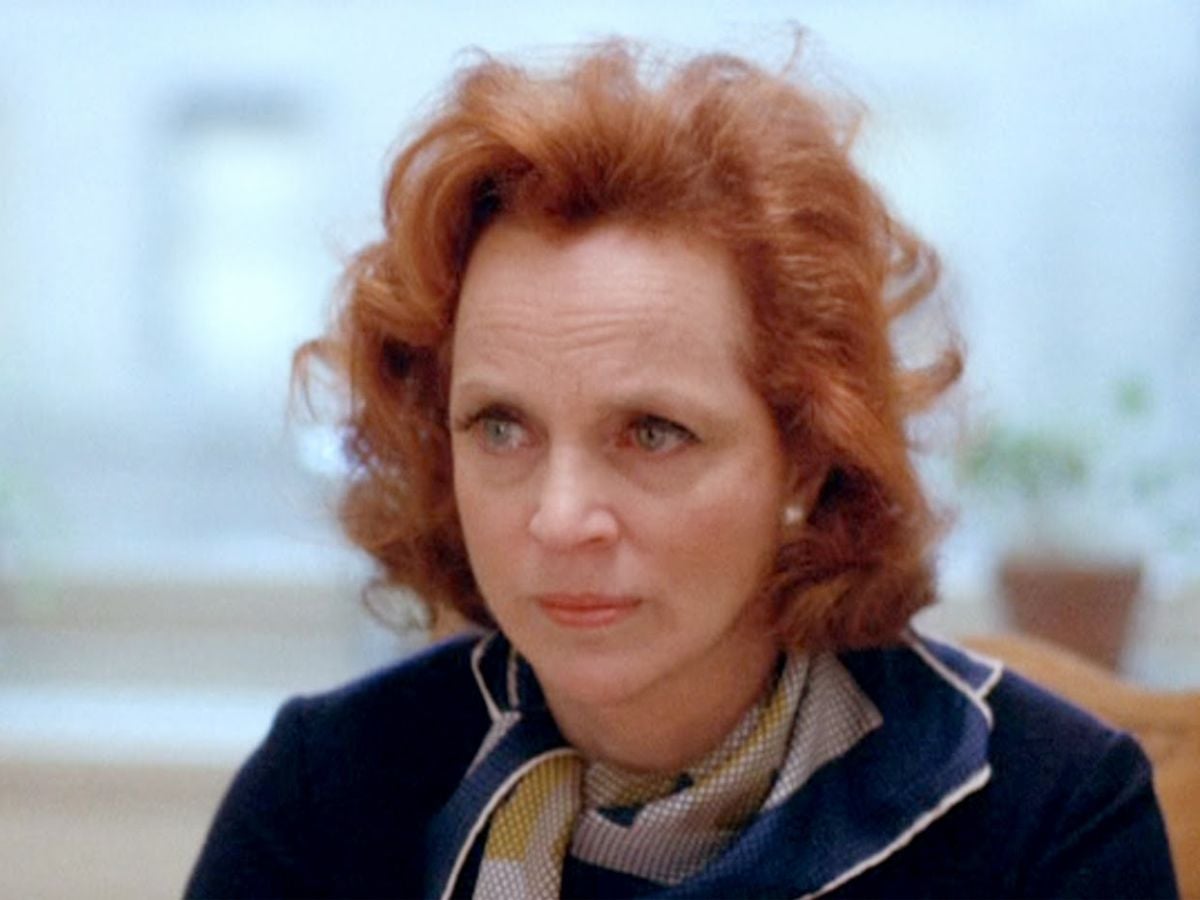
Sidney Lumet was ahead of his time with Network, a film that explored the sensationalism of the media and the public’s obsession with spectacle long before the 24-hour news cycle and the internet. While in terms of powerful moments from the film, Howard Beale’s breakdown is at the forefront, there’s also Beatrice Straight’s fiery, impactful monologue that is one of the most memorable from not just Network, but of the entire decade.
She appears for a little over five minutes as Louise Schumacher, the wife of the news division president Max, played by William Holden, who has ended their marriage of 25 years to be with the programming chief Diana Christensen, played by Faye Dunaway, and broke the record for the shortest Oscar-winning performance ever when she was awarded the Academy Award for ‘Best Supporting Actress’, joining Dunaway’s ‘Best Actress’, and Peter Finch’s ‘Best Actor’, awarded posthumusly for his last screen role ever.
Drew Barrymore, ‘Scream’ (Wes Craven, 1996)
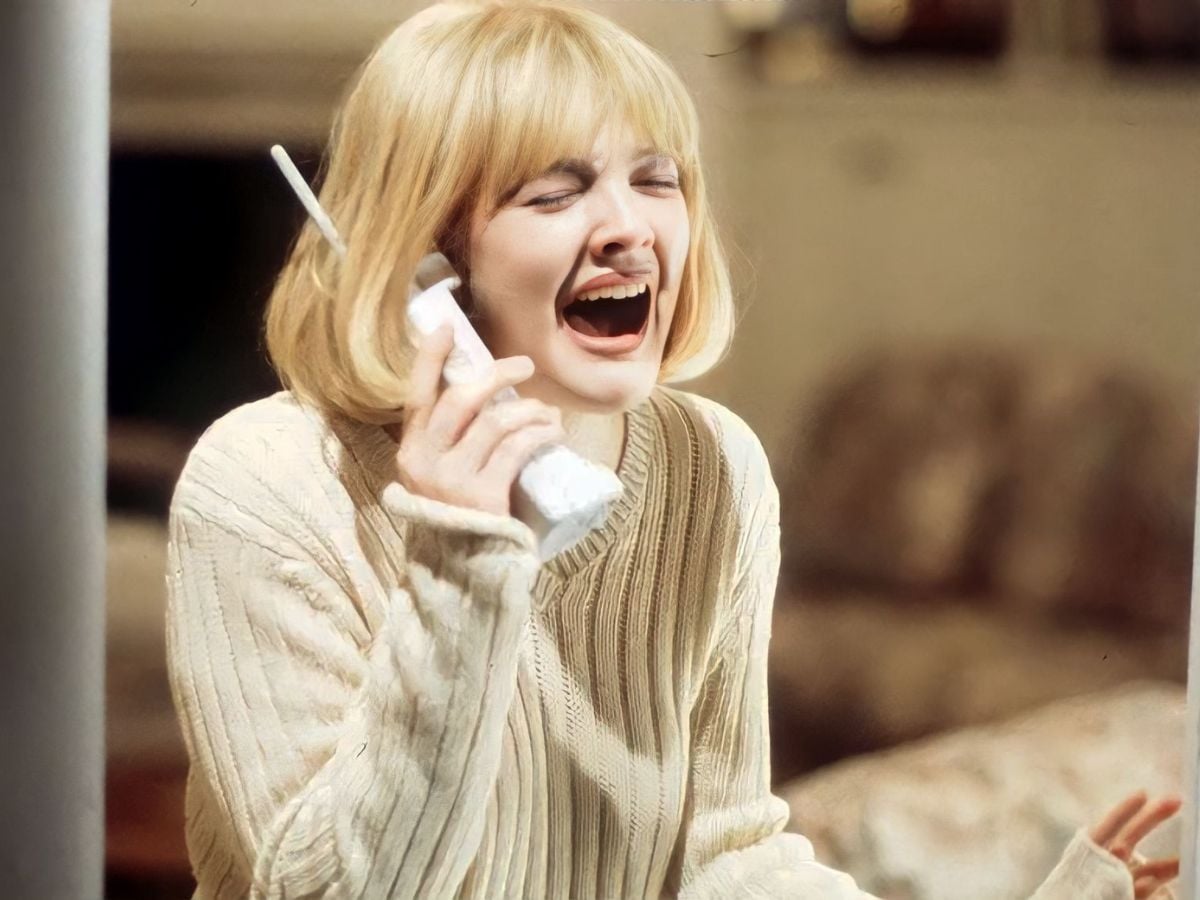
Drew Barrymore was a heavy part of the marketing campaign for Scream, which made it all the more surprising when she was dramatically killed off in the opening scene, proving definitively that director Wes Craven was adamant about subverting the clichés saddling the horror genre, and that the film wouldn’t automatically save the main character.
Barrymore plays a teen girl who receives a phone call from the masked killer known as Ghostface, who asks her a series of trivia questions about horror films, and throughout the conversation, she slowly realises that she is facing an actual monster, who intends to kill both her and her boyfriend to prove a point. Although the Scream franchise has tried to make similarly disturbing opening scenes ever since, Barrymore’s terrified and completely heartbreaking performance remains one of the saga’s most iconic.
Bill Murray, ‘Zombieland’ (Ruben Fleischer, 2009)
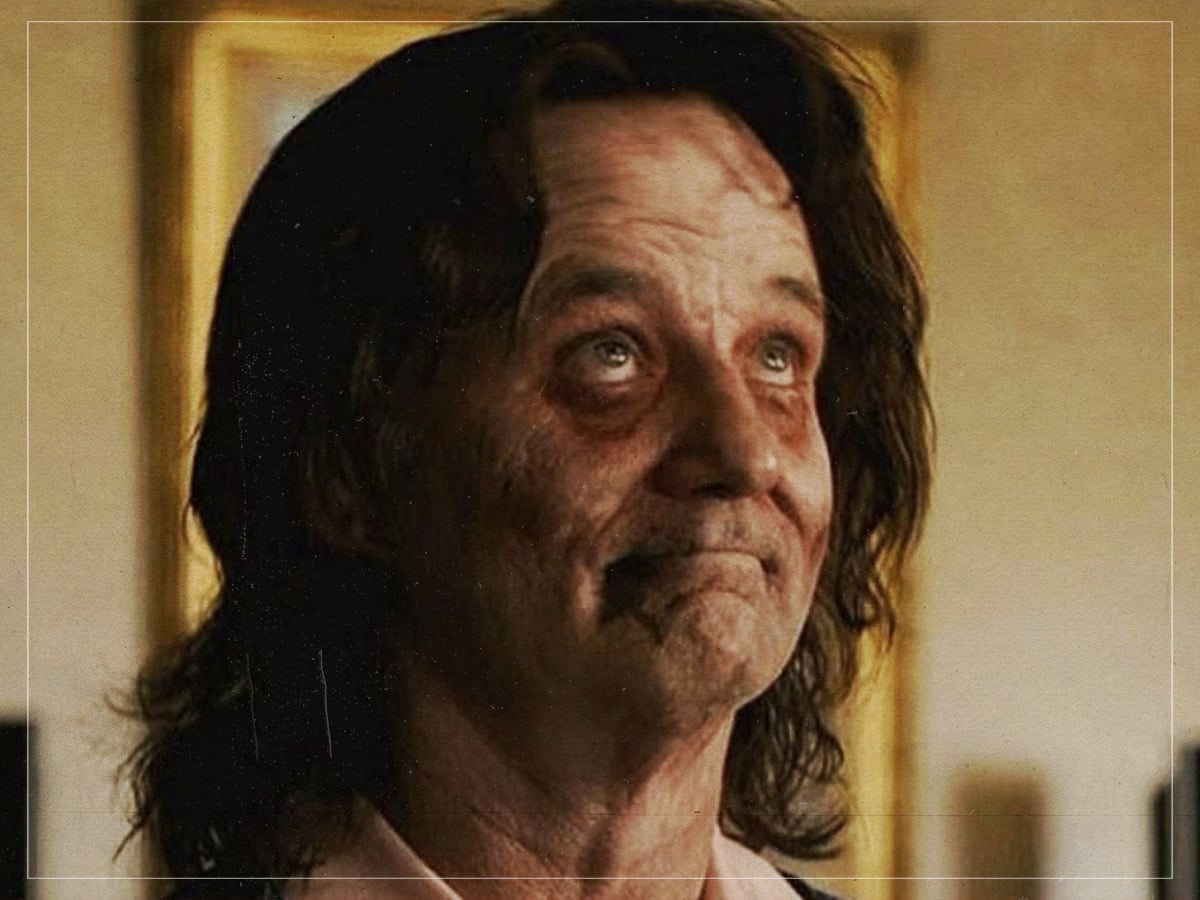
Bill Murray is notoriously hard to get in touch with because he doesn’t have an agent and refuses to answer phone calls, so getting him to simply appear in a film is always a delight. Zombieland made a joke about Murray’s enduring legacy by casting him to play himself, who supposedly survived the zombie outbreak by remaining held up in his mansion, making for a hilarious scene in which he is inadvertently killed because he is disguised as a zombie, and also manages to make fun of himself in a rare moment of humility.
Murray dies in the film by saying that his biggest regret in life was “Garfield“, a reference to the fact that he signed on to play the cartoon cat in two live-action/animation hybrid films because he had mistakenly thought that they were written by the Coen brothers.
Michelle Williams, ‘Manchester by the Sea’ (Kenneth Lonergan, 2016)
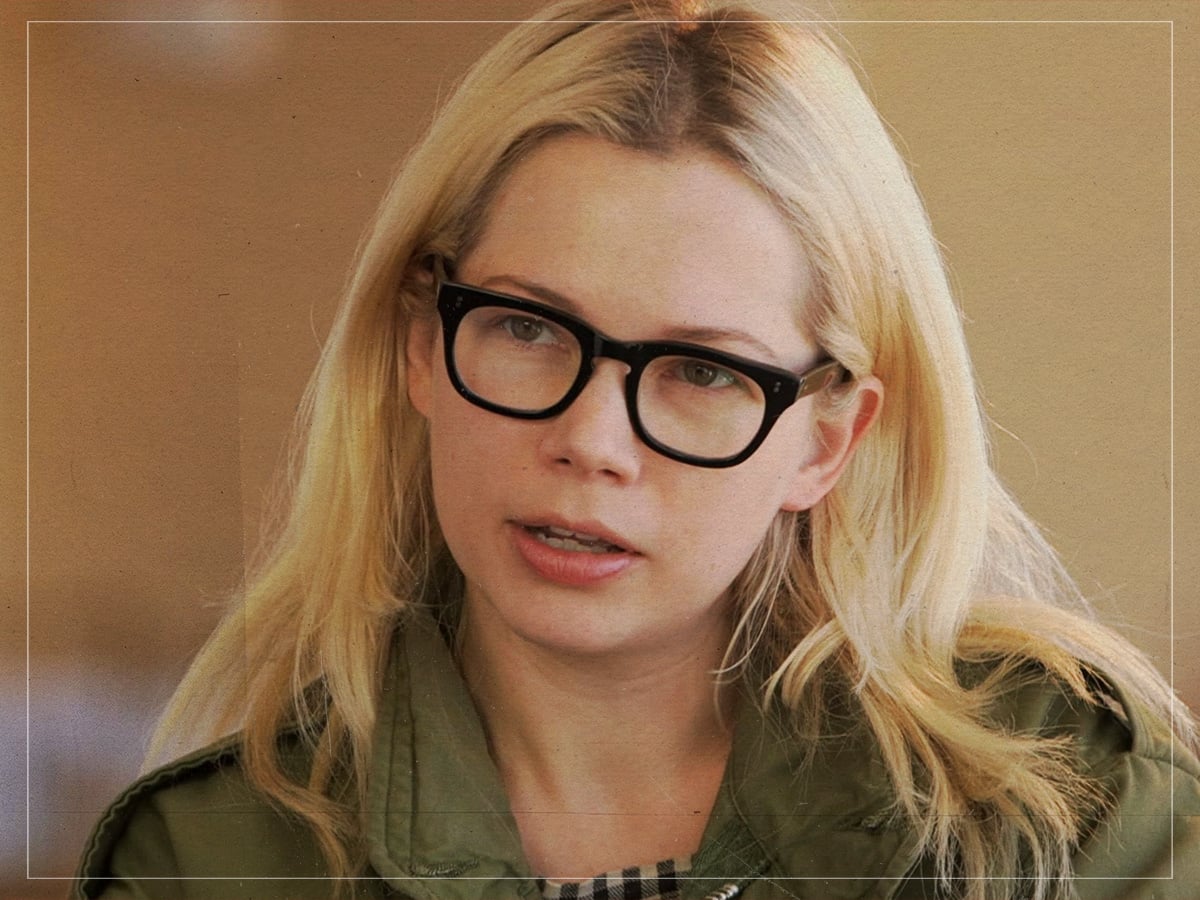
Michelle Williams has starred in more than a few completely devastating films, but none are quite as heartbreaking as Kenneth Lonergan’s bleak New England drama, Manchester by the Sea, which also stars Casey Affleck as Lee, a grieving father who is tasked with being the guardian to his nephew, played by Lucas Hedges, after his brother dies.
Williams appears briefly as Lee’s ex-wife, who split with him shortly after a fire claimed the lives of their children, displaying jaw-dropping emotional power as she communicates feelings of both grief and love, and an amazing chemistry with Affleck. Williams was nominated for ‘Best Supporting Actress’ at the Academy Awards, but it is unlikely that Casey Affleck would have taken home the ‘Best Actor’ prize if he did not have a co-star who was willing to go as deep of places as she was.
