


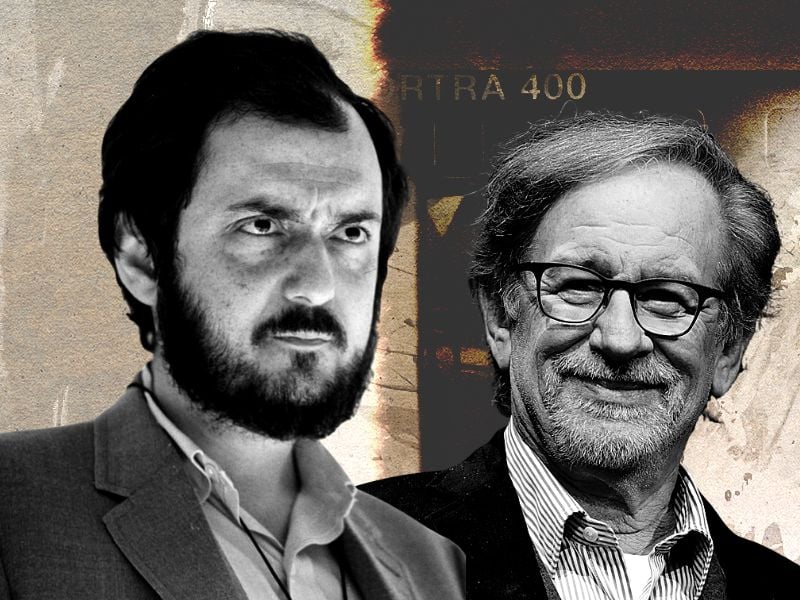
Terry Gilliam once noted the critical difference between Stanley Kubrick and Steven Spielberg

Terry Gilliam is a very well-respected filmmaker, having directed Brazil, 12 Monkeys and Fear and Loathing in Las Vegas. Reflecting on the game’s greats, the former Monty Python member once weighed in on the differences between two other heavyweights of the film directing world, Stanley Kubrick and Steven Spielberg.
Offering his expert view, Gilliam said: “The great difference between a Kubrick and a Spielberg, is Spielberg is more successful. His films make much more money, but they’re comforting. They give you answers; always, the films are answers. [But] I don’t think they’re very clever answers.”
He added: “[Kubrick’s] 2001 had an ending that I don’t know what it means. I don’t know, but I have to think about it. I have to work, and it opens up all sorts of possibilities, and probably the next person I speak to has a different idea of what that ending means. So suddenly, we’re in a discussion, and now we’re talking. Ideas come out of that, and that’s what I always want to encourage.”
Kubrick‘s films do make us think. They pose questions about reality, society and morality. As the viewers of his films, we are the ones who are responsible for answering those questions, while with Spielberg’s films, we aren’t afforded the opportunity to figure it out for ourselves.
Detailing further, Gilliam continued: “Spielberg and the success of most films in Hollywood these days I think is down to the fact they’re comforting, they tie things up in nice little bows, give you answers, even if the answers are stupid, you go home, and you don’t have to worry about it.”
He added: “The Kubricks of this world and the great filmmakers make you go home and think about it. So there’s a wonderful quote in the book that Freddy Raphael wrote about the making of Eyes Wide Shut; it’s called Eyes Wide Open. He’s talking to Kubrick about Schindler’s List and the Holocaust, and he says, ‘Schindler’s List is about success, the Holocaust was about failure.’ And that’s Kubrick, and that’s just spot on.”
Indeed, while many of Spielberg‘s films are wonderful events in their own right, they do often leave us feeling better about the situation with which we have just experienced. Gilliam continues to drive the point home.
He said: “Schindler’s List: ‘we had to save those few people, happy ending, a man can do what a man can do, and stop death for a few people’. But that’s not what the Holocaust is about; it’s about the complete failure of civilization to allow six million people to die.”
Gilliam concluded, “I know which side I’d rather be on. I’d like to have a nice house like Spielberg, but I know which side I’d rather be on.”
