


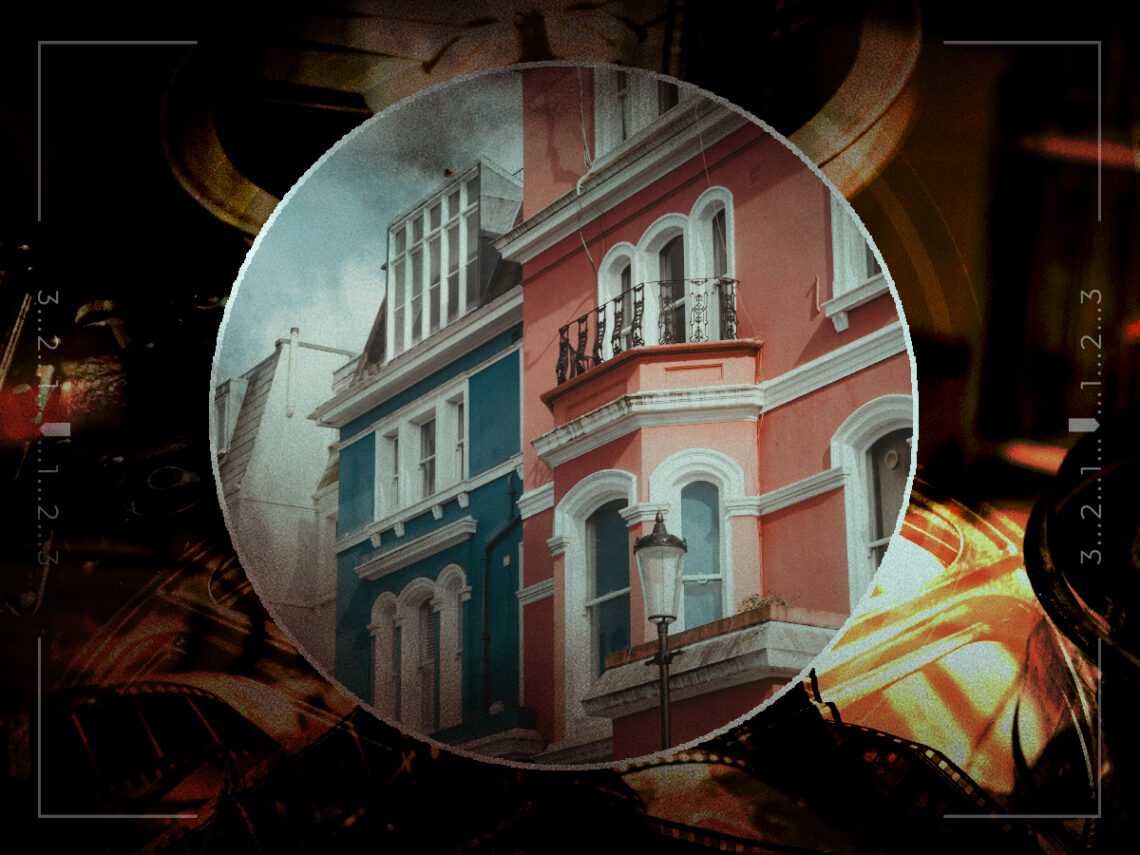
The terraced house in London that changed movie censorship forever

Film censorship has long sparked debate about where to draw the line when it comes to showing certain taboos in art, and whether filmmakers should be allowed to make whatever they wish, but regardless of your opinion, the BBFC has been operating since 1912, ensuring that UK audiences are protected from certain images, subsequently changing the way that cinema is consumed.
Over the years, the BBFC has prohibited many films that, today, seem rather tame, or they’ve at least instructed filmmakers to cut several scenes out of their movies so that they can be screened across the country. By doing so, they risk tampering with artistic visions and carefully sanitising cinema, although that’s not to say that the BBFC aren’t a vital part of the industry. Without them, who knows what audiences might be unknowingly subjected to?
The organisation has changed a lot since it was founded, however; I mean, it initially banned The Texas Chain Saw Massacre and Coffy, which are hardly that traumatising when viewed in a modern context. There was also a time when the BBFC boasted a policy which refused the classification of movies based on real British crimes that had taken place in the previous 50 years, fearful that these stories would be exploitative and dangerous.
However, everything changed because of one movie, based on the crimes that had plagued a terraced house in Notting Hill during the late 1940s. In 1971, 10 Rillington Place was released with Richard Attenborough starring as John Christie, a man who lived at the location when several women were murdered, including Beryl Evans and her infant daughter.
Christie played a key part in getting Evans’ husband, Timothy, successfully tried and hanged for the two murders, only for him to later confess that it was he who killed Evans, and presumably her daughter, too.
When Christie’s other crimes were discovered, which included the rape and murder of at least eight women, including his wife, he was sentenced to death. It was a terrible tragedy, his murderous tendencies essentially extending to Evans, who was posthumously deemed innocent. 10 Rillington Place dramatised the events of the murders, including Evans’ wrongful conviction, with John Hurt starring as him, while Judy Geeson also featured as Beryl.
Director Richard Fleischer was no stranger to making true crime-adjacent movies, having previously made The Boston Strangler, but he almost didn’t get to make 10 Rillington Place.
The BBFC were really hesitant to let anyone make a movie inspired by these real events, but as the country became more and more interested in true crime, partially down to the mass media frenzy that came with the Moors murders in the 1960s, Fleischer was soon given the green light to bring Christie’s crimes to the big screen.
While the events that took place at 10 Rillington Place were heinous, Fleischer told a story that brought justice to Evans, shining a light on a shocking and moving tale of wrongful accusation. From that point on, powerful true crime cases were allowed to be brought to the big screen, leading to various other acclaimed dramatisations, like the story of Donald Neilson, which was told in 1977’s The Black Panther.
