


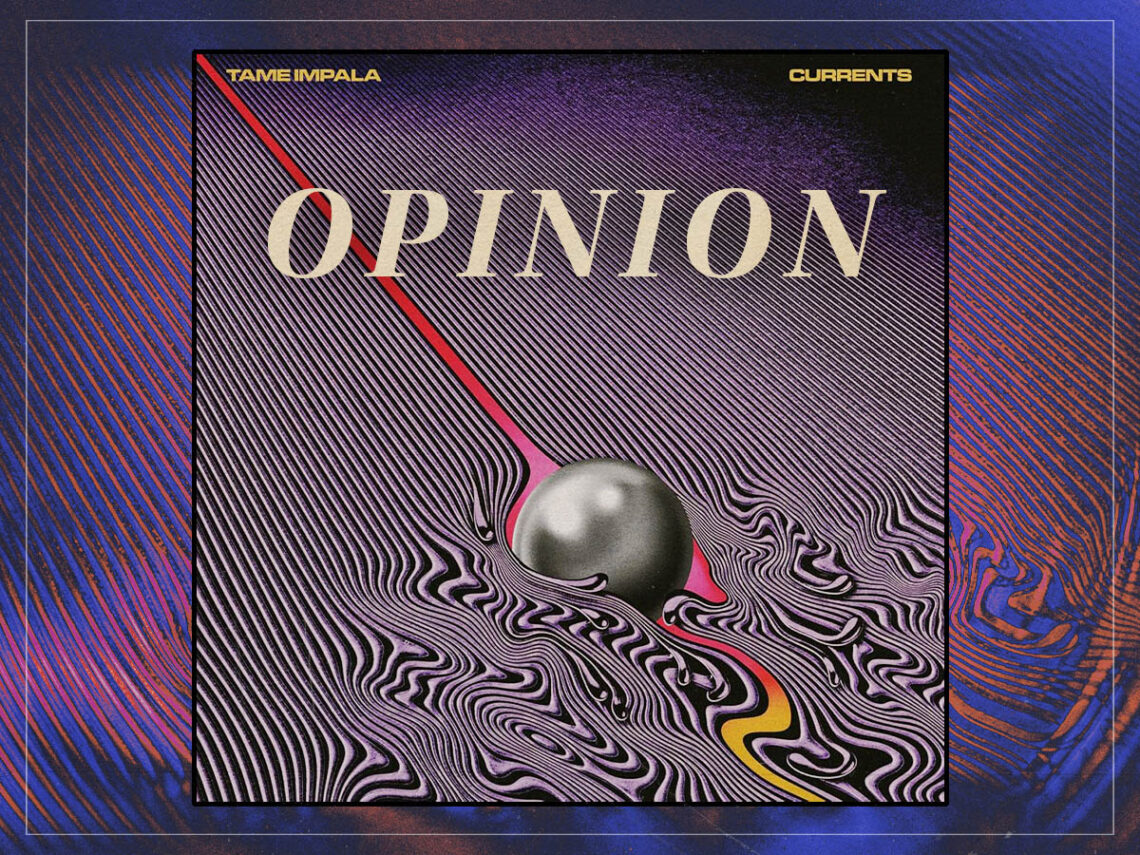
Tame Impala’s ‘Currents’ turns 10, but was it the best album of 2015?

In 2015, I was 19 years old and in the prime of my music listening career. I had countless hours of nothing, which could be filled with endless music listening, and I was match fit for every mosh pit that beckoned me. But it felt as though indie had reached a commercial crossover by the decade’s midpoint, leaving my match fitness wasted. Pop stars were baselessly adopting alternative tropes, and the rope of authenticity was slipping from our hands. We needed an album to take it back.
Enter, Tame Impala‘s Currents.
It was the perfect antidote to what was increasingly becoming hyper-commercialised indie, drenching its rhythm section in electronic presets to introduce elements of disco and funk, while remaining faithful to alternative songwriting arrangements; namely, through its heartfelt songwriting. With the fear of being reductive, it was a collection of sad disco bangers, a soundtrack for an anxious generation of music fans to optimistically drive on through to a bleak future.
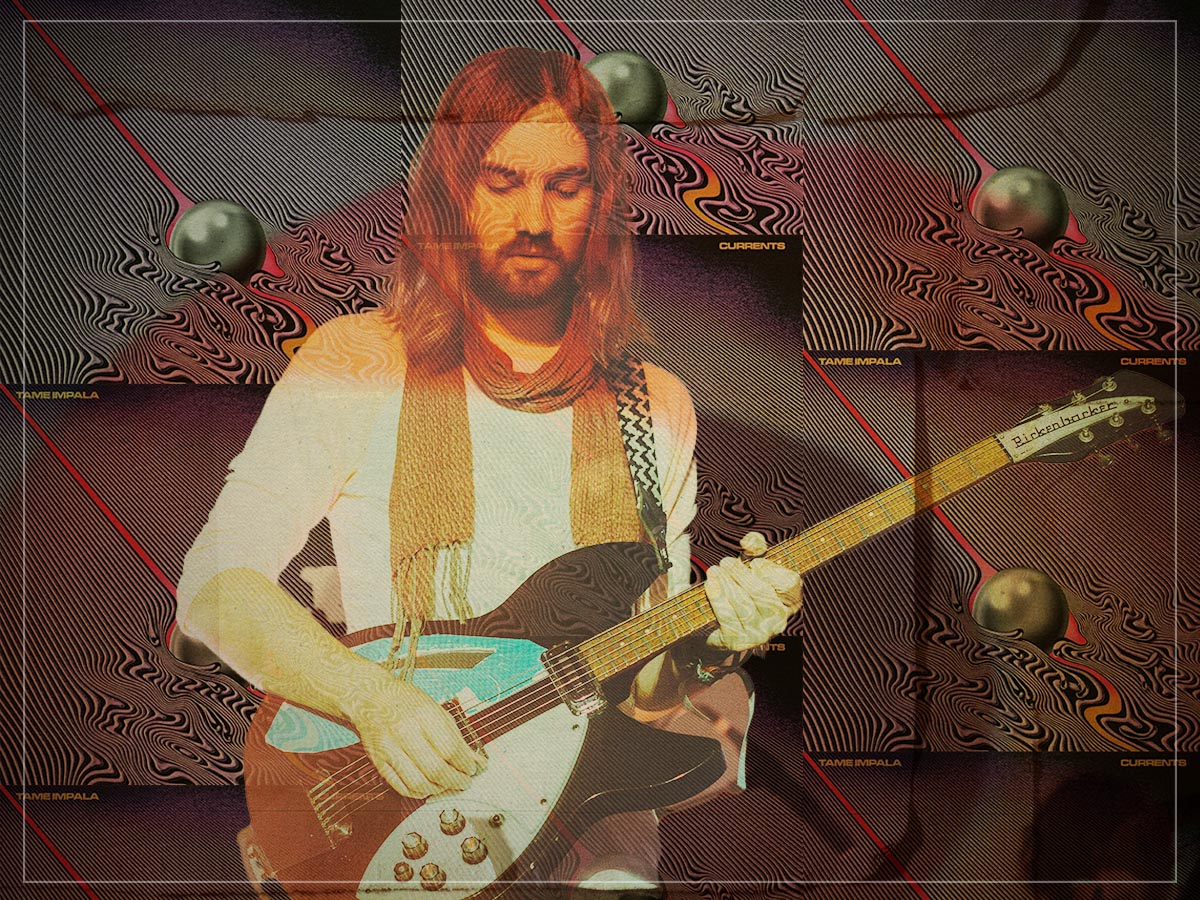
Kevin Parker’s 2012 album Lonerism slithered through the sludge of reverberation, leaning on heavy riffs to pull it through. Three years later, on Currents, he had broken through the surface, now ready to shed his skin and start soaring through the glittering skies of unabashed indie pop.
“The anxieties and self-doubt on Lonerism—both thematically and musically—was something inside of me that I just had to get out, and with that album I felt like I’d fully flushed that side out of me,” Parker explained. He continued, noting how the follow-up brought a shift, “With Currents, I had this burst of confidence. I decided that I wanted to make weird pop music, and I wasn’t afraid to make pop music and stand behind it. I just wanted to make silky disco-pop, and anyone who says that they don’t like that kind of music is missing out.”
Not many did miss out, as Currents played from every corner of the social spectrum, soundtracking a generation in limbo. Waving goodbye to the ignorant bliss of post-millennium sleaze and cautiously minding an unclear future, one that promised a divided society through the lens of Presidential elections and Brexit. And so, before that, it felt like Currents would be the swan song of post-modern euphoria.
But Kevin Parker wasn’t the only artist shedding his artistic skin on the back nine of the 2010s. Kendrick Lamar took the idea of artistic metamorphosis and ran with it, creating one of the most ambitious albums of all time. To Pimp a Butterfly was narratively concise and outrageously innovative from a musical perspective, revealing new sounds on every listen like a sonic matryoshka doll. It not only pushed the realms of what hip-hop was capable of but also took the wider idea of a concept album to new heights.
Every individual song addressed its own issue while carefully building upon the broader narrative of a caterpillar’s transition into a butterfly and the societal trappings that exist within that development. It was a truly transcendental album that set a new bar for how myriad ideas could be filtered into one coherent concept, not only standing out as the year’s best album but also staking a claim as one of the greatest albums of all time.
Meanwhile, the humble origins of indie were refusing to be abandoned. But it wasn’t being dragged along in Chelsea boots and skinny jeans, pitifully clinging to the tropes of indie sleaze. Instead, Courtney Barnett and Kurt Vile were reacquainting the guitar with its simple versatility. Reverbs and pedals weren’t required, but simple power chords were elevated, instead replaced by twisting chord sequences and delicate finger picking to create two respective albums that put storytelling integrity first.
While Kurt Vile’s B’lieve I’m Goin Down… was a chance to take a breath to the sound of Americana-come-psychedelic rock, Courtney Barnett’s Sometimes I Sit and Think, and Sometimes I Just Sit was an indie rock slap in the face. Combining vulnerability with wicked humour, it reminded music fans how traditional guitar tropes could be innovatively repackaged. There was little in the way of production thrills, but her spiralling storytelling style showed how rock and roll could still narrate the anxious consciousness of millennial thinking.
Currents was a colourful antidote to whatever oncoming dreariness awaited us and an album that crystallised the idea of genre-bending. But not with disrespectful and lazy pastiche, but with care and attention to every sonic door Parker’s influences allowed him to open. But it wasn’t the best album of 2015, not for want of trying or for reasons why Currents could have been improved. It’s because a quiet songwriter from his home nation and an intellectual powerhouse from Compton took it upon themselves to speak directly to the heart of social consciousness. Currents may be timeless, but Sometimes I Sit and Think, and Sometimes I Just Sit and To Pimp a Butterfly were undisputedly the albums of that time.
