


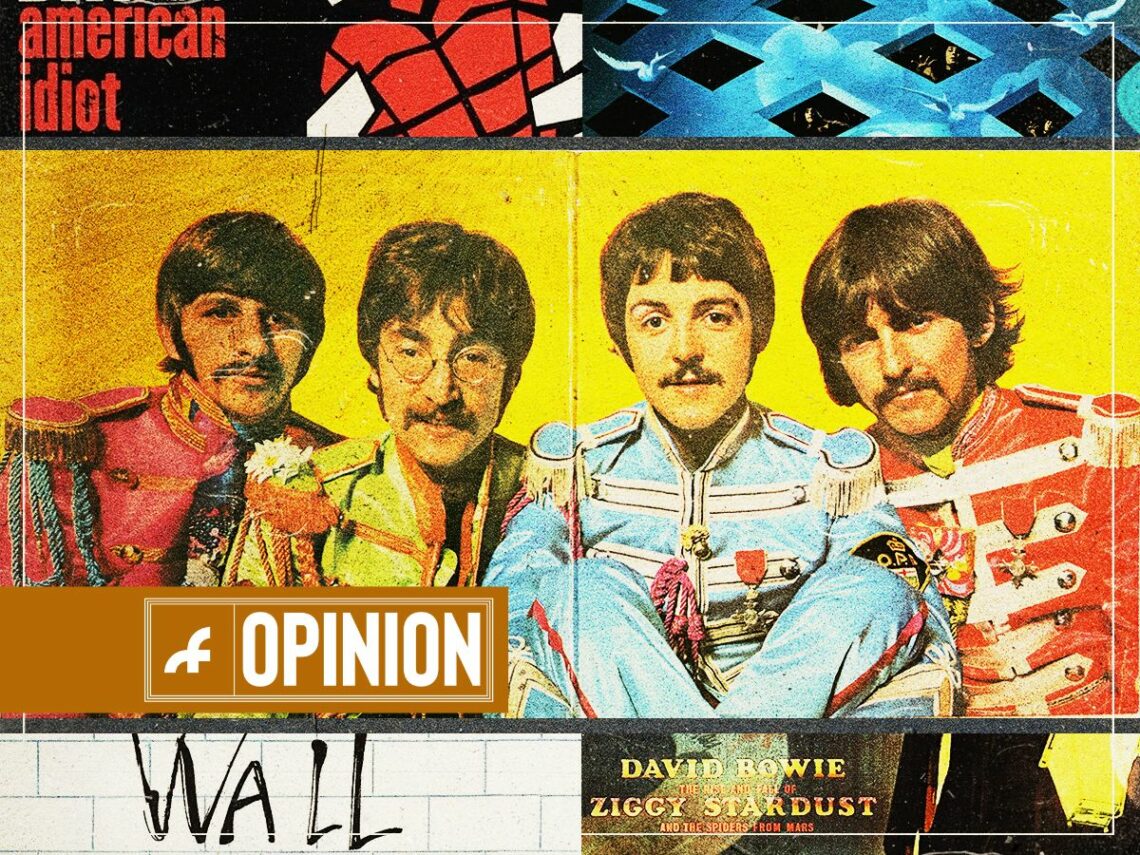
What makes a good concept album?

Rock and roll was never supposed to be a genre that made the listener think too hard. As opposed to the massive prog-rock epics to come, artists like Chuck Berry and Jerry Lee Lewis were more about crafting songs that got you in the mood to dance. As acts like The Beatles started to refine what the album could mean, the playing field was open to go into bold new directions with the concept album.
Starting around the 1960s, the concept album was designed to tell a story through pure musical bombast. Although many bands have followed in the footsteps of their idols and made concept albums of their own, there’s more that goes into a record of this ilk other than just writing a bunch of similar-sounding songs.
While an album like Tommy may have taken the narrative side of the album a bit too seriously, it provides a decent litmus test for what a concept album should look like. Throughout its runtime, Pete Townshend never settles for making a decent rock song to satisfy the mainstream audience. Looking to paint a picture from start to finish, every song operates within the confines of the album boundaries, like when the short songs bleed into each other like ‘There’s a Doctor’ and ‘Go to the Mirror’.
If not The Who, Pink Floyd also had a firm grip on the medium, featuring different pieces that weave in and out of each other on The Wall, all of which complement the story of Pink as he tries to navigate the world. Even without drawing attention to itself, Floyd also brings the operatic part of the term “rock opera” to the forefront, including the riff from ‘Another Brick in the Wall’ at various points in the music.
Even albums that don’t have a set narrative still know the foundations of what a concept album means. Take Green Day’s American Idiot, for example. While there is no linear storyline connecting characters like St Jimmy and Whatsername, the music is what creates the throughline, creating a world where these characters can do whatever they want.
Then again, the magic formula behind these albums is how they can work as a whole and when broken up. Regardless of how much an artist might work on getting one flowing epic piece out of their concept album, there still needs to be something bite-sized to give listeners respite. As much as music fans might not like to admit it, modern audiences have short attention spans, so it’s best to have breaks in the action.
That’s where albums like Ziggy Stardust come in. After honing his craft for decades, David Bowie’s masterwork is all about creating different scenes from one song to the next. As opposed to making an album feels like one flowing piece, Bowie treats every one of his songs as subtle musical vignettes where different scenes can play out, like breaking up the band on ‘Hang On To Yourself’ or basking in the glory of his final stand on ‘Rock and Roll Suicide’.
Whereas the concept album started off as a term used for artists to tell a story, artists find it just as easy to get their point across with an overarching theme. Although there isn’t a storyline going on in an album like Born to Run by Bruce Springsteen, it’s easy to see the same type of kids permeating throughout every single song as they try to make an honest stand.
In essence, the idea of the concept album is a tale of two faces: one of the story and one of the theme. While the story might seem like the most important thing for movie critics, it’s much more malleable in the musical field. Since the “show, don’t tell” rule doesn’t work due to the lack of any visuals, artists have to rely on their lyrical ability and their artistic integrity to create a piece that holds together as a singular piece.
Even today, Kendrick Lamar has given his fans two different looks at what a concept album means. While Good Kid Maad City is the acknowledged masterpiece for a modern concept album, with Lamar talking about his rough upbringing in Compton, To Pimp A Butterfly is the other side of the coin, treating his listeners to a different perspective in song, each dissecting the nature of what it means to be Kendrick Lamar in modern-day America.
Lamar even incorporates pieces from the operatic albums that have come before, occasionally breaking the musical continuity by getting further and further in a poem until he finally finishes his piece of prose at the end when it’s revealed he’s saying all of this to Tupac Shakur. Whereas most artists like to burn down the traditions of the past, Lamar just offers a new design on what made concept albums so interesting to begin with.
There’s always been the age-old joke that most musicians just want to be actors, but a good concept album is already acting. When there’s a decent story, any artist can put their unique twist on what has come before and bring their lived experience into the mix. A concept album may be constructed based on specific themes and a storyline, but a musician needs to have something to express in their heart before anything is recorded.
