The 1966 hit Bob Dylan called “the best song I ever wrote”
The most sprawling epic.


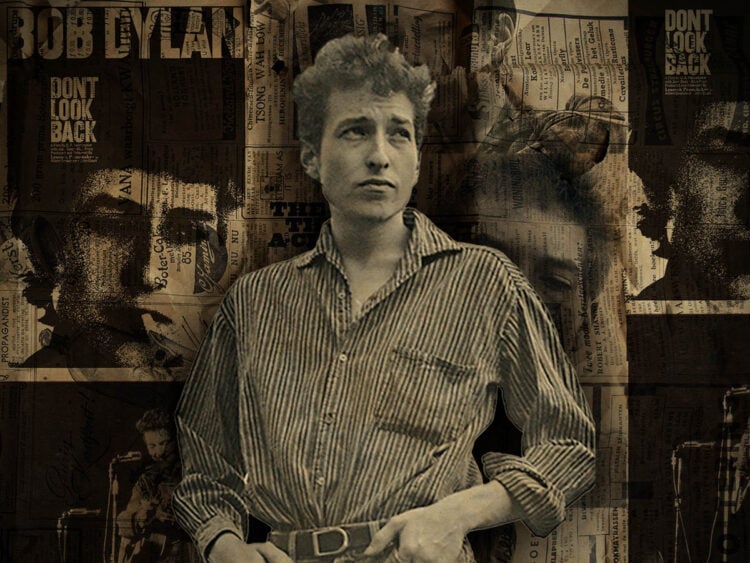
Born Robert Zimmerman on May 24th, 1944, Bob Dylan is undoubtedly one of the most influential songwriters of all time. Responsible for such iconic recordings as ‘Blowin’ In The Wind’, ‘The Times They Are a-Changin’, and ‘Like A Rolling Stone’, Dylan was one of the leading figures of the countercultural moment of the 1960s. Today, his influence on popular music is as tangible as ever.
Dylan’s childhood was spent in the insular mining town of Hibbing, Minnesota, to where his grandparents emigrated in the early years of the 20th century. As a young man, he developed an affinity with the music of Hank Williams, Little Richard, Elvis Presley and Johnny Ray, an interest that convinced him to take up guitar in 1955. Over the next few years, he played in a variety of rock ‘n’ roll cover bands before deciding that he wanted to pursue a more stripped-back style. While studying at the University of Minnesota, Dylan got his first taste of Bohemia in the form of Dinkytown, the artist’s quarter of Minneapolis. After falling hard for the beat poetry of Allen Ginsberg and the protest music of Woody Guthrie, Bob adopted the last name Dylan (perhaps a reference to Dylan Thomas) and set off for the East Coast.
On arrival to New York in the winter of 1961, Dylan, determined to establish himself as Woody Guthrie’s greatest disciple, began performing in Greenwich Village coffee houses, mixing with fellow musicians and picking up material along the way. Following an enthusiastic write-up in The New York Times, Dylan signed to Columbia Records, releasing his eponymous debut album in 1962 to modest reviews. His second effort, however, The Freewheelin Bob Dylan, galvanised an entire generation of young people and established Dylan as the golden boy of the burgeoning counterculture movement, while his single ‘Blowin In The Wind’ was adopted as a civil rights anthem.
By 1964, a change was coming over Dylan. He started wearing chic clothes, abandoning his signature cap for a pair of dark sunglasses and an ever-present cigarette. His core fanbase was alarmed by his third album, Another Side of Bob Dylan, which saw him ditch protest material in favour of a more introspective brand of songwriting. The following year, fans were confounded by the electric instrumentation on his 1965 album Bringing It All Back Home, in which Dylan gleefully rejected the purist dogma of the folk revivalists. The folkies who had slunk off in search of tranquil pastures were replaced by a more mainstream listenership, while Dylan continued to hone his increasingly rocky, rough-shod sound with tracks such as ‘Like A Rolling Stone’ from 1965’s Highway 61 Revisited, the album that made him a living legend.
From 1965 to 1966, Dylan toured incessantly. Backed by Robbie Robertson, Levon Helm, and the rest of the Hawks (later to become The Band), the early concerts saw near-continuous booing from the crowd. Thankfully, audiences became more receptive to the musician’s new sound as the tour progressed. Then, in 1966, Dylan recorded some of his finest work: Blonde on Blonde, which was put together in a week’s worth of 20-hour sessions. Surrounded by some of the finest Nashville session musicians, the album marked the collision of two musical worlds, not to mention the zenith of Dylan’s success. It would all come to a crashing halt in the summer of ’66 when Dylan was involved in a severe motorcycle accident. He wouldn’t release a studio album of all-new original material until 1968’s John Wesley Harding, a departure from his previous records, which features some of his most impressive lyrical work.
The 1970s saw Dylan continue to record, tour and receive various honours, including an honorary doctorate of music from Princeton University. At the same time, his deific influence on the landscape of popular music began to fade, though New Morning was considered one of his best releases since Blonde on Blonde. After making a few rare live appearances, he set out on the Rolling Thunder Revue tour, which saw him hit the road with the likes of Joan Baez, Allen Ginsberg and Patti Smith. The tour was filmed and eventually released as a movie in 1978.
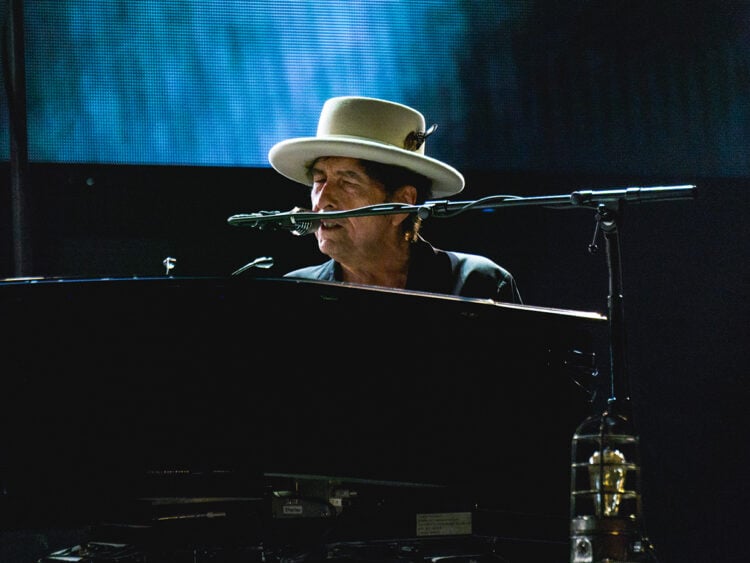
After converting to Christianity in 1979, Dylan released his born-again albums: Slow Train Coming, Saved, and Infidels, which were treated with scepticism and fascination in equal measure, as was his foray into the world of rap music on Curtis Blow’s 1989 album Kingdom Blow. Since then, Dylan has returned to and diverted from his roots in all manner of ways, releasing a steady stream of albums, touring with a variety of backing bands, and receiving some of the world’s most esteemed awards, including the Pulitzer Prize and the Nobel Prize for Literature.

Working at staggering levels.
The right songs with the wrong energy.
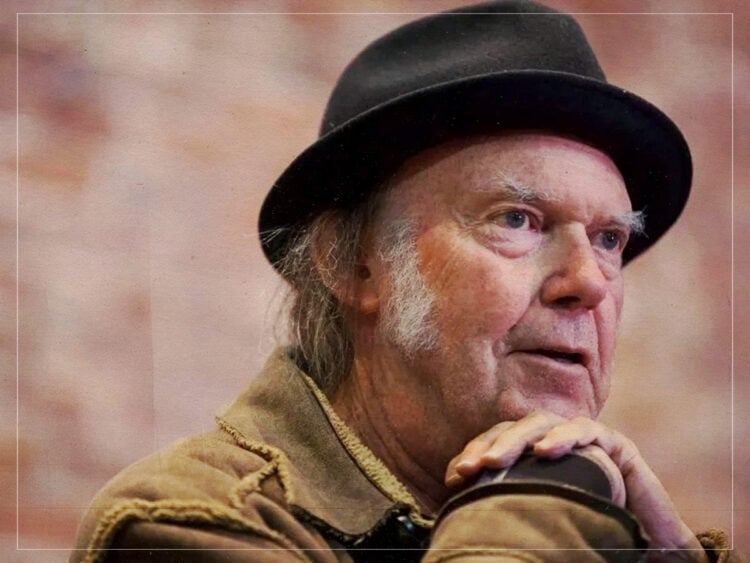
Those magical musical moments.
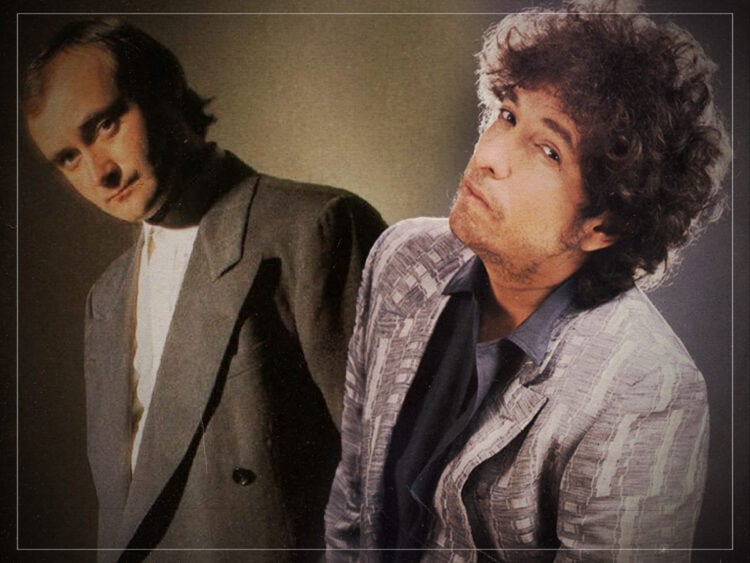
The peak of musicianship.

One exception to a well-written rule.

Not pulling any of his punches.
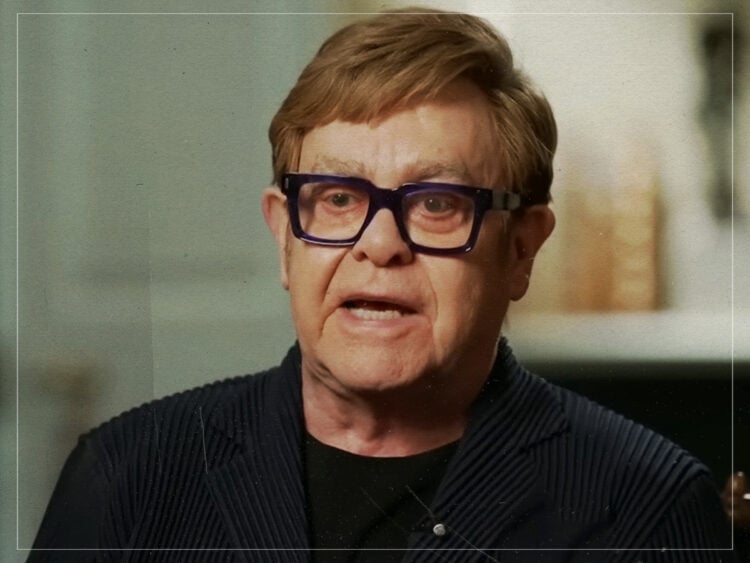
An absolute master of words.
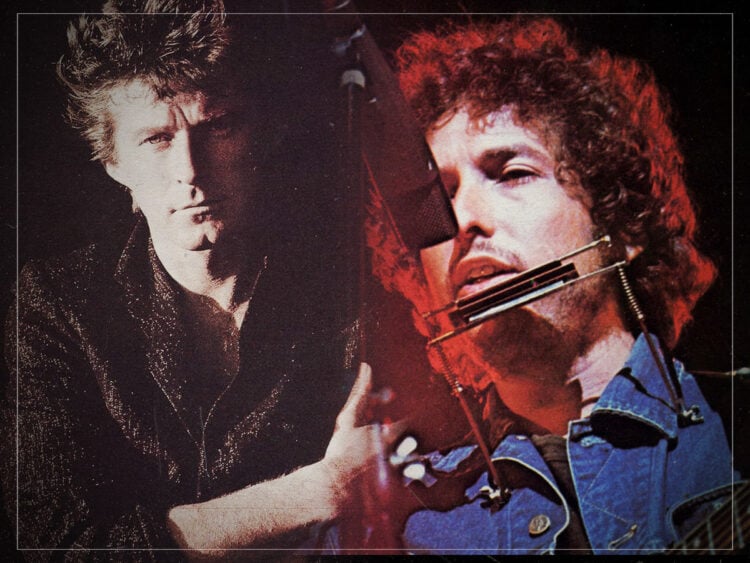
The right kind of storyteller.