


Ataxia: The supergroup who made two albums in two weeks, revived psychedelia, then disappeared

We all know that the whims of the music industry can change all too quickly. But managing to revive the art of psychedelia, all in the space of two weeks in the mid-2000s? That’s another feat entirely.
Yet it was one completed by an almost totally forgotten supergroup, bringing together the height of their rock and roll powers to conquer the scene, leave a lasting legacy, and then disappear as though they were never really there in the first place. To all intents and purposes, that might not seem like such a successful endeavour – but when you’re a Red Hot Chili Pepper, you can never stay for long.
That was exactly the mantra that the band’s guitarist virtuoso, John Frusciante, took to the mission statement of his short-lived supergroup, Ataxia. He was in need of a fresh slate before starting work on what would become the Chili Peppers’ 2006 album Stadium Arcadium, and as luck would have it, so was former Fugazi bassist Joe Lally.
With the pair slightly disillusioned by the hurricane of garage rock which had the rock scene in the eye of the storm at the time, they wanted to bring about a revival of a certain swirling revolution which the world had loved for so many years but seemed to have forgotten about, and as such, in achieving their psychedelic dreams, they also recruited Frusciante’s longtime collaborator, Josh Klinghoffer, to create the ultimate trio.
They knew they had a tough task on their hands, so it had to be all or nothing, and subsequently, they formed for two weeks in LA – barely enough time for most other bands to even be comfortable in a room with each other – and somehow miraculously managed to record enough material to span two albums.
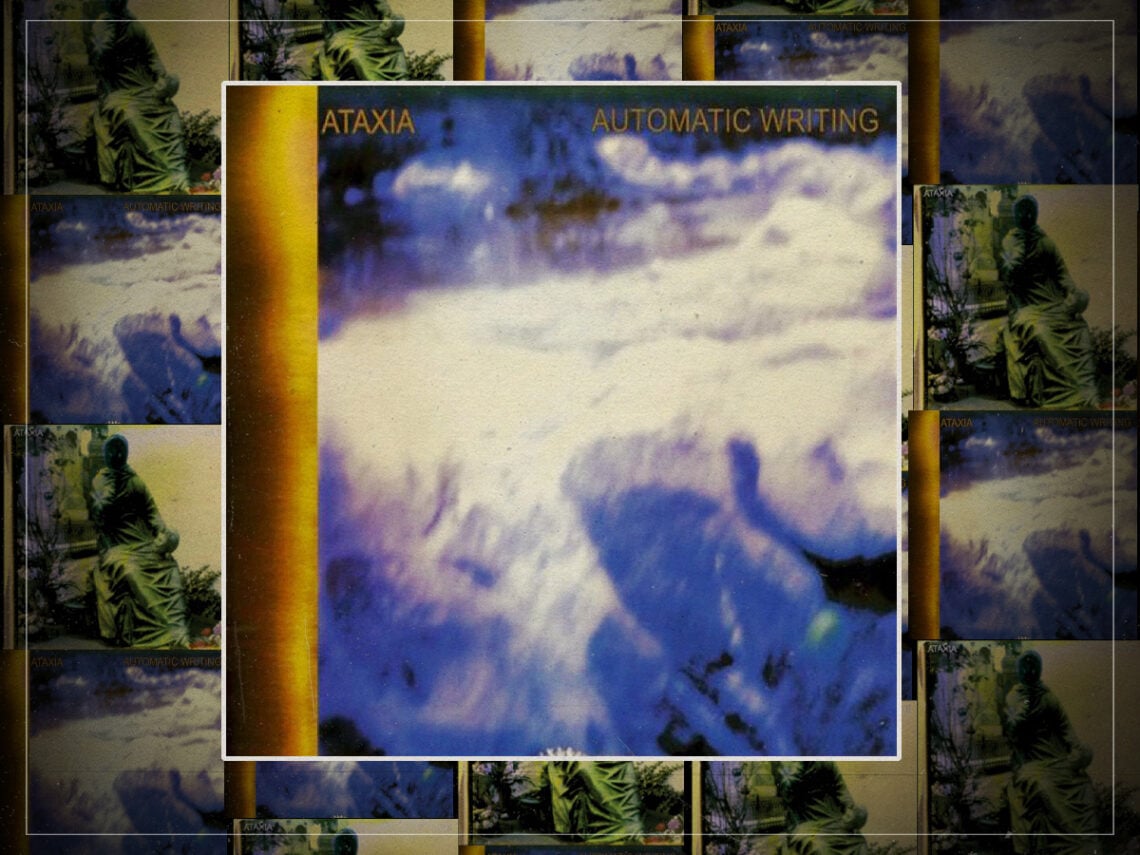
It was a strong testament to the fact that these were three seasoned musicians, but even by the standards of some classic psychedelic heads like The Beatles or The Doors, pummelling out the course of two records in the space of a fortnight was a gargantuan effort. Frusciante summarised the first half of this project, found on the 2004 album Automatic Writing, as “fucked-up guitar playing and songs that are really long”.
By comparison, the second record, AW II, which didn’t see the light of day until 2007, was far more experimental in its approach, but what was done was done. Playing only a smattering of shows in LA during that original two-week time span, Ataxia decided that their short-lived mission was then complete, and never reformed again.
Admittedly, it is hard to ascertain the legacy of a band who were together for such a short time that you could blink and miss them. Yet when considering this in the context of everything else they achieved, between The Red Hot Chili Peppers, Fugazi, and all the rest, it was clear that while this wasn’t a band meant for the long haul, they had a more defined mission than most.
Essentially, Ataxia was never meant to embody the absolute height of sonic genius, but instead, they existed for a short time simply to prove a point: that the world loves psychedelia, and the rock scene needed to return to it, and if their music turned a few heads or raised a few questions, then the job was done, as a reminder that the rock and roll universe should never just be spinning on one straight axis.
