


Summertime Sadness: UK licensing laws put a dampener on live music

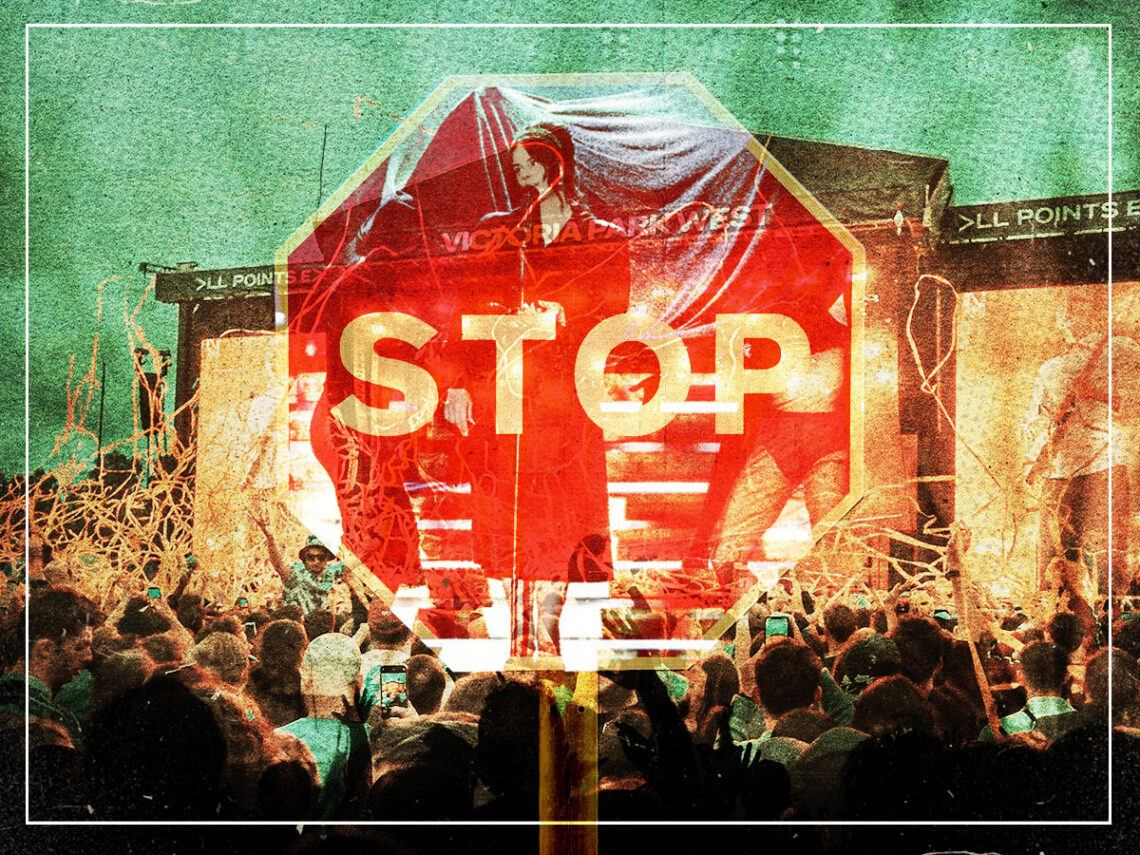
The Great British bonanza of Glastonbury Festival: a utopian bohemia where the hippies rule the roost… until 00:00 when the plug is pulled by the powers that be. Speaking with our European friends, they were incredulous to hear that Lana Del Rey had been cut short in the midst of a scintillating performance because her set had tiptoed over the midnight mark. It seemed almost anti-human to them, and most certainly anti-Glastonbury.
However, curfews are an ever-present that blight the British summertime. This might seem like a nebulous gripe against incumbent laws that ever so slightly shut things down a few minutes early once in a blue moon, but this is, in fact, no minor problem pertaining purely to the idealist wishes of drunken punters. As several festivals and events organisers have cited in recent times, these curfews and noise restrictions are actually an existential threat to various summer gatherings.
They believe that noise restrictions and drummed-up complaints are actually getting harsher and resultant restrictions are more severe. It’s the belief that this keeps developers in these previously greenbelt areas happy to the detriment of the festivals themselves, which are disregarded as mere cultural fads and the money and tourism they provide is left unacknowledged.
Thus, if the trend continues, we could see more and more encroachment of the capabilities of events to put on a good show and eventually see them legislated out of existence. So, while it might seem daft at present that Bruce Springsteen might be fined £3,000 for overrunning on the Glastonbury mainstage, and we miss out on the occasional 20 minutes of a latecomer like Lana Del Rey, this is not only not a laughing matter for those that have cashed out hundreds on tickets, but also a major headache for organisers.
The latest hiccup in this running yearly debacle comes from Rod Stewart. At 78 years old, he’s hardly the sort of anarchic punk that measures are put in place to protect residents against, but his latest show in Plymouth saw him storm off stage at 22:30 after being told that he couldn’t play any longer. This left fans frustrated and said that it tainted a fabulous night. For the sake of one extra song to wrap up the set with a proper goodbye, it would seem that many would agree with organisers and venue owners regarding a softer common sense approach rather than the current totalitarian cut-off regime.
This is part of the problem that organisers face. While it might seem like common sense in itself for an artist to be punctual enough to fulfil their allotted slot, it is not always possible for things to run like clockwork to ensure that they are even able to take the stage in time. With security more stringent than ever before, you often have huge queues coming into events. Likewise, with the music industry more strapped for cash than ever before, hitches are far more commonplace, so to blame the artist is a surface-level fallacy.
A snapshot of the bigger picture has played out in Edinburgh with Connect Festival. Last year, organisers applied for a late license to help them raise much-need profit this summer, but this was turned down. Organisers argued that allowing acts to play until 23:00 rather than 22:30 would “make such a difference to the audience, the artists and long-term success of the event’ and boost ticket sales”.
Furthermore, it would also help to squeeze in extra unsigned acts onto the bill, providing a boost to the grassroots level of music at a time when it has sadly been abandoned when it comes to external support. Alas, all they were told was that the extra time could cause “undue public nuisance”, and the request was turned away.
So, while it might seem like a trivial fun-police intervention, Connect Festival’s decree regarding the huge difference is very noteworthy, and noise restrictions being championed over some much-needed reverie in these trying times is indicative of the current view of culture in the UK. The arts economy brings in £109bn, and if we continue to impeach upon its virtues, it would seem that far more laissez-faire festivals overseas might begin to chip into that as the malaise of ‘policy’ bores us all to an early bedtime.
