


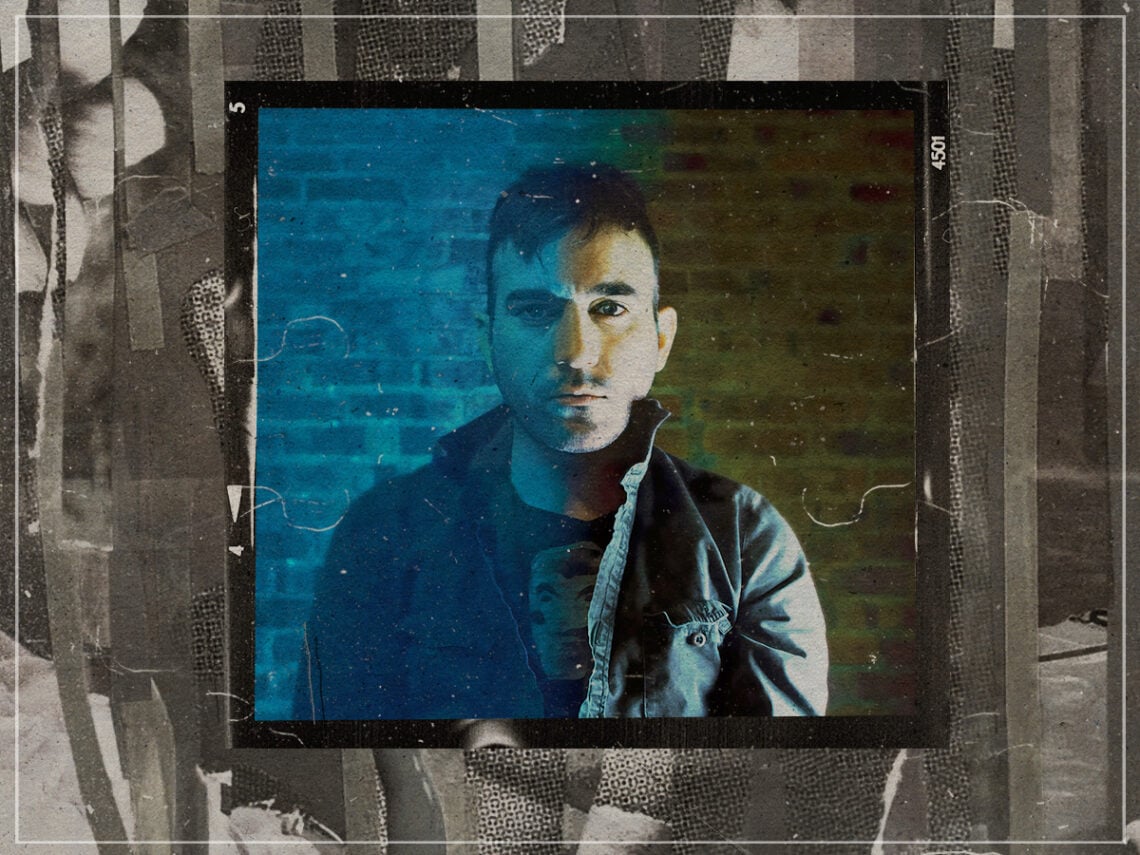
Sufjan Stevens and the ever-changing understanding of art

Most critics thought that they had Javelin nailed down. The 2023 album by folk-pop luminary Sufjan Stevens was his return to intimate and heartbreaking simplicity following some wild ambient electronic experimentation with 2020’s The Ascension and 2021’s Convocations. Now, it was back to the Sufjan Stevens that we all first fell in love with – the one that records virtually all his own instrumentals like on Illinois, or the one that can be heartbreaking fragile like on Call Me By Your Name, or the one that can pull back the curtain on his personal life while still being universal like on Carrie & Lowell.
This time around, it seemed fairly obvious what Stevens was going for. Based on songs like ‘Will Anybody Ever Love Me?’ and ‘Shit Talk’, most listeners assumed that Stevens was making a break-up album. You can still go back to the initial reviews for Javelin and see most writers dance around the idea of how “personal” Stevens was getting with his lyrics. It was impossible to tell for sure – Stevens was so notoriously private that the lyrics only seemed to come from his real life. But the narrative was almost certainly about the loss of love, and most reviewers got pretty close to the truth, but it all changed on the day of the album’s actual release.
When Javelin was made available to the world, Stevens had already revealed some insights into a major personal hell. Having been diagnosed with Guillain–Barré syndrome just a few weeks before the album’s release, Stevens was still re-learning how to walk when Javelin came out. His posts on social media revealed a rare insight into an artist who had spent 20 years comfortably keeping to himself. Stevens himself even acknowledged his reputation in the posts. “I know I’ve often been the poster child of pain, loss, and loneliness,” he wrote in one post. “And I can be a misanthrope at times. But the past month has renewed my hope in humanity.”
But Stevens’ struggles with Guillain-Barré syndrome only occurred after the album was finished. A much different and far more tragic personal setback had inspired the album’s material. In a social media post that came out the day of the album’s release, Stevens dedicated the album to his late partner, Evans Richardson. It was the first time that Stevens had publicly discussed his sexuality and was greeted with a wave of additional support. But as the dedication came through, listeners were forced to reassess Javelin and its contents.
Suddenly, songs like ‘Goodbye Evergreen’ and ‘My Little Red Fox’ became much sadder and starker. ‘Genuflecting Ghost’ didn’t seem like a higher power but rather a mortal person, making the closing line “Genuflecting ghost, I kiss no more” even more impactful. Even the album’s title was seen in a new light – an object to have and to hold but also to let go of when the time was right. Stevens’ writing has always been universal enough for fans to put their own interpretations of his music, but once you know the context of Javelin, it’s almost impossible to hear the album any other way.
It’s just the most recent case of new revelations changing the meaning of art. Most of the time, things like this aren’t as intentional as Stevens was in his writing. When Keith Moon passed away in 1978, the “Not To Be Taken Away” note written on the chair he sat on for the cover of his final Who album Who Are You became bitterly ironic. Upon John Lennon’s death in 1980, the public perception of his final album, Double Fantasy, changed from a schmaltzy look inside Lennon’s marriage to a parting message of love and domesticity. The deaths of Moon and Lennon didn’t actually change the intentions of their parent albums. Instead, they caused audiences to interpret those same albums in new ways.
For the nosiest of fans, Stevens’ sexuality at least had some hints dropped along the way. ‘The Predatory Wasp of the Palisades is Out to Get Us!’ from Illinois details young love between two young men. His contributions to Call Me By Your Name, specifically ‘Mystery of Love’ and ‘Visions of Gideon’, echoed the same-sex love storyline of the film. Stevens certainly didn’t have to be talking about himself in those songs… but the specificity of the emotional lyrics seemed to indicate some real-world connection between artist and art.
It’s impossible to hear Javelin the same way after Stevens revealed his true inspiration behind it. That’s not to say that listeners have to think of Stevens’ dearly departed partner every time they hear the album’s contents – great art is transferable, after all. Stevens doesn’t just make songs for himself; he makes songs that like-minded people can relate to and put their own lives into. That was almost certainly happening with Javelin before Stevens clarified how heartbreaking the album was.
The intent and context behind art can somehow matter explicitly and not matter at all – a paradox that Sufjan Stevens illustrates beautifully on Javelin. It’s his story… but once it goes out in the world, it can be anyone’s story. Stevens just happened to alter the narrative in a way that he never felt was necessary with his previous works. Would listeners have come to that conclusion on their own? Maybe, but after losing a partner and waking up one day with a life-altering illness, Stevens decided that people needed to know what his intentions were.
And thus, the cycle of ever-changing art was renewed once again. With one dedication, Stevens forced his audience to go back and listen to the same songs, the same words, and the same music one more time to pick up on something that they most certainly didn’t get the first time around. If you had listened to Javelin before Sufjan’s dedication to Richardson, you might have heard two different albums – a breakup album and a mourning record. But it was always the same album. It was almost like a magic trick… with more real-life grief and melancholy. For Stevens, it was a necessary reclamation.
