


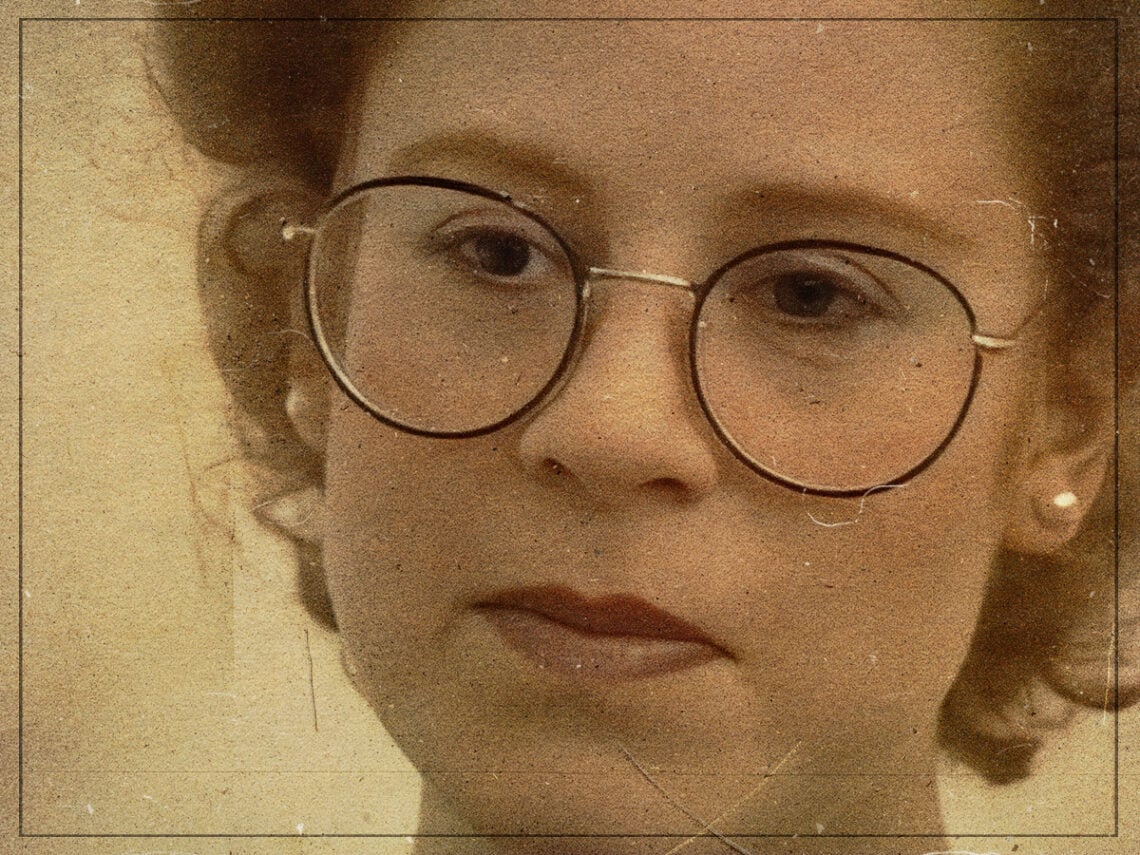
‘Suburbs of Eden’: Cecilia Condit’s domestic horror

The complex mythology of American suburbia has been dissected time and again in countless cinematic masterpieces, ranging from David Lynch’s Blue Velvet to Todd Solondz’s Happiness. While it’s those works that usually get mentioned during discussions about the problematic foundations of suburban existence in the US, there are lesser-known gems that deserve to be cited much more frequently. One perfect example is Cecelia Condit’s fascinating horror film Suburbs of Eden.
A respected figure in the film festival circuit, Condit has made several subversive sociopolitical commentaries on female representation throughout her career. Suburbs of Eden is one of the projects that define her artistic sensibilities the best, presenting a terrifying vision of a housewife who is crushed by the oppressive nature of suburban existence. Constantly criticised for having a career by her husband and her mother, her life starts to resemble a never-ending nightmare.
Structured as a mock musical, Suburbs of Eden articulates the powerful disillusionment that women experience when they are confronted by patriarchal institutions like marriage. It also delineates the inter-generational transmission of misogyny in a striking way, demonstrated through the painful conversations between the wife and her mother. The raw format of Condit’s visual language makes the protest feel even more authentic, incorporating contrasting frameworks of symbolism.
While reflecting on her chosen medium in an interview, Condit once said: “Both my parents were artists/painters, so from an early age, they had a natural influence on my becoming an artist. My epilepsy limited my vocational options, and I rationalised that making art might allow me to express all those crazy, raw emotions that loomed so heavily on me when I was young. When I discovered the video medium, my need to tell stories found a home. Video also allowed me to work free from the baggage of history and traditions, where I felt I might be excluded.”
The filmmaker also revealed that her art had always been focused on women and their cultural representations, especially because of her difficult childhood experiences. Condit added: “Subjected to intense sibling bullying, I struggled to define myself and my image as a girl. Looking back, I was always making books filled with drawings of women. Even then, making art was my way of exploring who I am — all the while keeping my head down.”
Unlike more direct forms of domestic horror like Alison Maclean’s Kitchen Sink, Suburbs of Eden’s brand of horror is subtextual. Utilising Biblical imagery and contextualising them within the claustrophobic environment of American consumerism, the scares in Condit’s film are spiritual and philosophical. Although it might appear identical to the countless post-irony YouTube sketches, this particular work perfectly captures the bubbling resentment of its time.
Watch the film below.
