


‘Kitchen Sink’: Alison Maclean’s vision of domestic horror

While filmmakers often like working with genre frameworks to develop new forms of artistic expression, very few genres are as fertile as horror. Since the very beginning of film history, many pioneering artists played around with the concept of cinematic illusions to create visceral experiences for audiences – an art that was perfected by the greatest horror directors. Within that domain, Alison Maclean’s 1989 film Kitchen Sink represents something truly unique.
The term “kitchen sink” is inevitably associated with domestic spaces, famously serving as the name for the Kitchen Sink Realism movement in the UK, which pushed a new brand of social critique forward. Maclean plays around with the symbolic function of the kitchen sink while redefining the configurations of the space to introduce something jarringly different. As a result, Kitchen Sink isn’t just an interesting horror experiment but also a poignant philosophical inquiry.
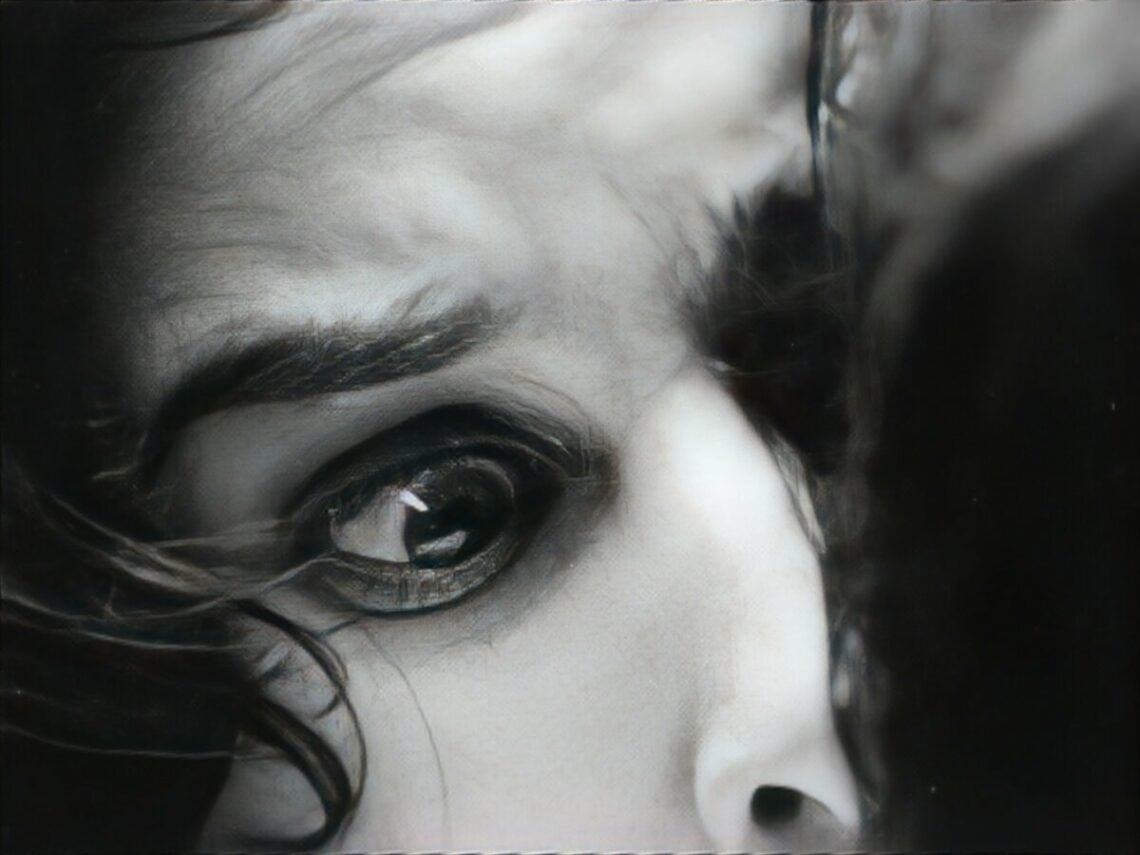
The film revolves around a lonely woman who pulls at a strand of hair that seems to be caught in her sink, only to discover that it’s actually linked to the body of a grotesque creature that has entered her house. Interestingly, her fear eventually transforms into feelings of longing as the idea of the monster strangely morphs into that of a man whom she cleans, grooms and shapes according to her ideals and desires.
In an interview, Maclean said: “It’s funny. Hair seems to come up for me quite a bit. I’m not quite sure why that is. I honestly couldn’t say. Because the first image I had was of hair, and so everything came from that. And then it just seemed to be about continuing that image throughout and having it evolve. One of the visual references I had and thought about a lot as I was making Kitchen Sink is a film called Woman of the Dunes. Very sensual textures of skin and hair and sand.”
While talking about the philosophical foundation of the central idea, the director added: “To me, the story was about metamorphosis, so it was like a metaphor that kept changing – it was birth and garbage… It just kept changing through all the different stages of that creature’s evolution and of her relationship with him. That’s what I was having fun with. And I kept thinking about it as a strange, Pygmalion kind of story. That was the main idea I had.”
This relationship between our terrible isolation and the creation of a synthetic partner has been portrayed in countless films, but Kitchen Sink’s approach to the subject is definitely special. More than anything else, it’s an investigation into individual identity – explored through the transformation of the grotesque creature into a more consumable and acceptable romantic partner. The final shot of the seemingly endless strand of hair being pulled out of its skin suggests that there’s a fundamental disconnect between our internal selves and the image we project into the world.
Watch the film below.
