


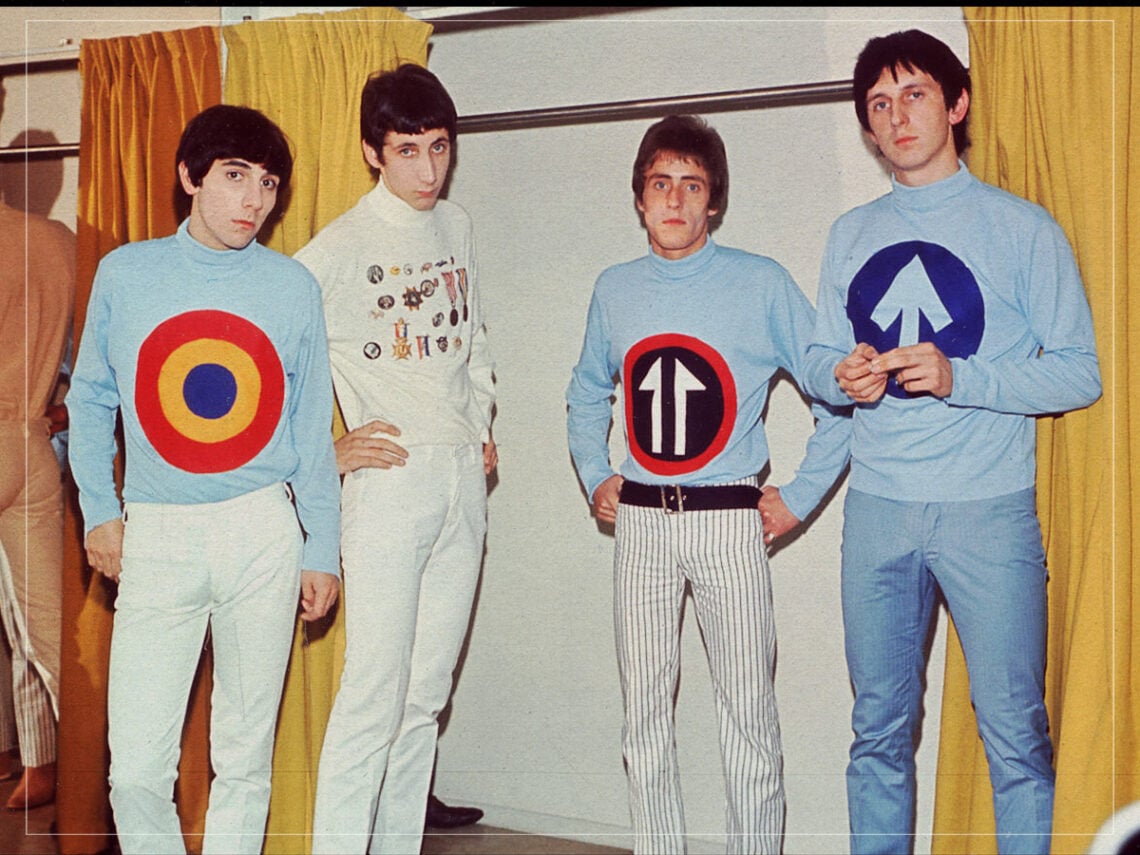
‘Substitute’: the essential story of The Who’s “first number four”

Exploding onto the airwaves of the 1960s in a haze of amphetamines and mod rock rebellion, The Who formed the underdog voice of Britain’s post-war youth, and few songs captured the spirit of that grassroots music revolution better than the single Pete Townshend once described as “our first number four,” ‘Substitute’.
Short, sharp, rock and roll anthems were the primary exploit of Townshend and The Who during their earliest emergence. Initial singles like ‘I Can’t Explain’ and ‘My Generation’ trimmed the fat of traditional rock, opting for a youthful, raw power approach that would eventually become part and parcel of punk and alternative rock.
In later years, however, the group expanded their sonic repertoire into proto-metal live performances and expansive rock operas that have managed to maintain their legendary position in rock for upwards of half a century.
Across that incredible discography, ‘Substitute’ formed an essential transition between the amphetamine rock of their early days and the most considered, profoundly autobiographical offerings of albums like Tommy and Quadrophenia in later years.
Released as a single back in 1966, and later appearing on the compilation LP Meaty Beaty Big and Bouncy, ‘Substitute’ didn’t slot naturally into any of the band’s studio albums, but its narrative lyrical style definitely predicted Townshend’s songwriting shift towards the realm of rock opera. Detailing a poor boy dressing himself up as though he was incredibly monied and stylish, the song is arguably more of an anthem for the mod subculture than even ‘My Generation’.
Sonically, too, the song harks back to Townshend’s early days in the era of mod, taking its core cues from Motown, namely Smokey Robinson’s ultimate masterpiece, ‘The Tracks of My Tears’ and the lyric “Although she may be cute, she’s just a substitute.” From that basis, the songwriter expanded the tale out to somebody who was “born with a plastic spoon in [their] mouth”.
Although the single didn’t appear on an album, it soon became a fan-favourite for The Who, in doing so forming an essential moment in their live performances. In fact, for their Leeds University show, which was released as the pioneering live record Live At Leeds, ‘Substitute’ was arguably the crowning jewel of the performance.
Even though Townshend disparagingly introduced the song as their “first number four” (despite the fact it actually peaked at five), the single was still the band’s most successful to date, after ‘My Generation’. It doesn’t take much of a stretch of the imagination, then, to see that the success of the single probably spurred Townshend on to pursue the kind of autobiographical underdog tale detailed in the lyrics.
Without ‘Substitute’, then, the world might never have heard the rock opera mastery of Tommy a few years later or, indeed, Quadrophenia, which follows a pretty similar narrative to the one explored on the 1966 single, albeit with far more nuance and detail. It might not have been a chart-topping hit, but ‘Substitute’ is arguably one of the most important and enduring singles The Who ever released.
