


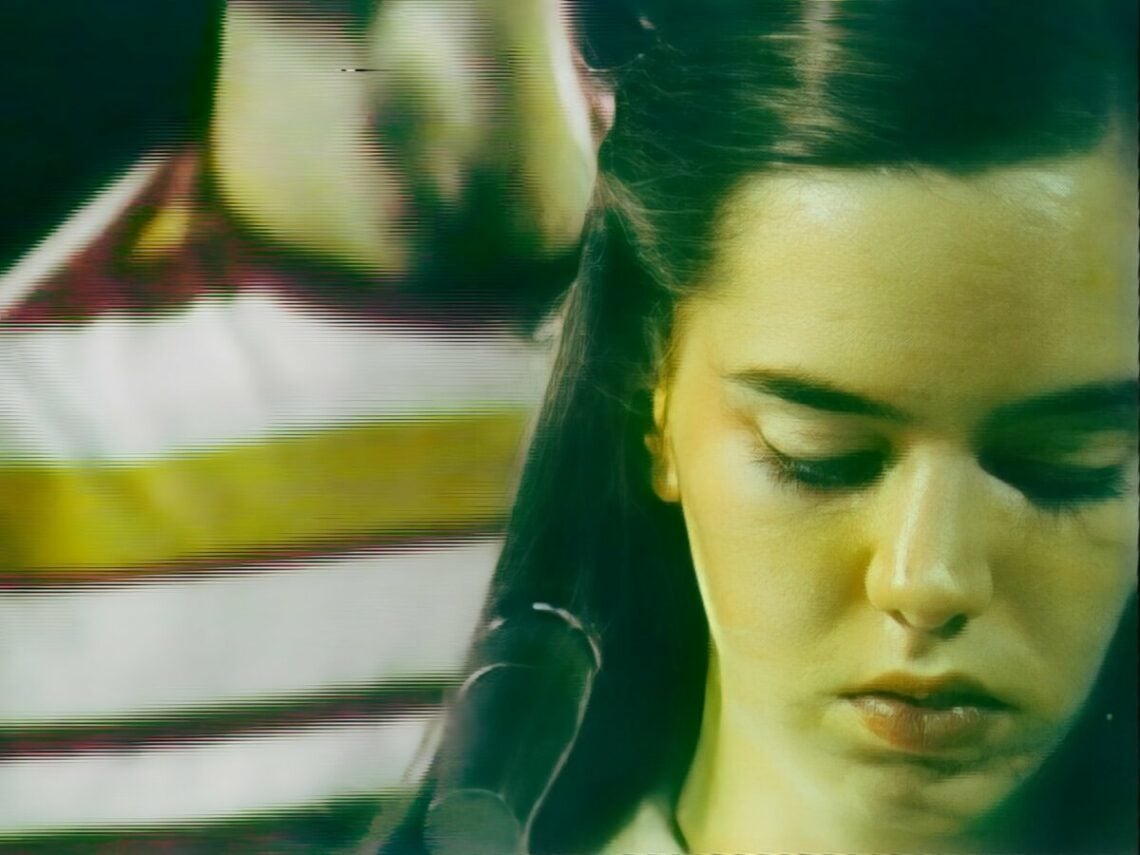
Who is Su Tissue? The story of a forgotten LA punk icon

As the 1970s rolled to an end, post-punk emerged as a natural reaction to punk, expanding on the genre’s simplicity by incorporating a wider variety of influences, such as funk, jazz and avant-garde. Post-punk allowed for greater musical freedom without compromising the visceral sentiment by retaining punk’s rough-around-the-edges sensibility. This duality allowed some weird and wonderful new bands to emerge, like Suburban Lawns.
Formed in 1978, the band honed an offbeat sound encompassing raw guitars, electronic instruments, funky basslines and bizarre lyrics. For example, on ‘Flying Saucer Safari’, the band sing “Station wagon full of Fritos/ Coke and Twinkies, stale Doritos,” and on ‘Janitor’, the chorus includes refrains of “I’m a janitor, oh my genitals!”
Suburban Lawns released their first single, ‘Gidget Goes to Hell’ in 1979, complete with a music video directed by Jonathan Demme. By 1981, they had released their self-titled debut album, which drew influence from the likes of The B-52s, DEVO and Talking Heads.
However, the band came to an end in 1983, with nothing more than their debut album and a few singles to their name. Since then, they’ve become cult favourites, loved for their compelling, fun sound. Yet, many fans have been fascinated by the story of Su Tissue, the band’s bassist, keyboard player and co-vocalist, who brings songs like ‘Janitor’ to life with her strange line deliveries and inflexions.
Born Sue MacLane, the artist rarely allowed people to film her performances, caring little for fame. Still, as the band supported some of the most iconic bands of the era, such as Siouxsie and the Banshees, The Clash and The Fall, Tissue became known for her distinctive stage presence – she was often described as standing still and looking bored or stoic. Paired with her out-there clothing, Tissue stood out as one of the most unique vocalists of the time.
According to her bandmate Frankie Ennui, “You had to see Su do her thing live and in person, in front of a crowd, to really get the full, mind-blowing impact. So many contrasting ideas and emotions were being transmitted. What Su did was real. She really put herself out there, exposed and vulnerable, but aggressively sarcastic and in your face at the same time. Brave. Amazing. Disturbing.”
When the band split, Tissue went to Berklee College of Music and released a solo album, Salon de Musique. She cut off contact with her bandmates and has lived in obscurity ever since, causing fans to set up Facebook pages in desperate search of the influential musician.
Yet, Tissue’s privacy deserves to be respected, and luckily, the Facebook page in search of her current whereabouts has since been deleted. Instead, we can celebrate her contributions to Suburban Lawns, one of the most enthralling short-lived acts from the late 1970s/early ’80s.
“I like music more than I like talking,” Tissue once said. Clearly, for Tissue, music was of central importance, but so was her privacy. Giving little away in interviews, aside from a brief appearance as Peggy in Jonathan Demme’s 1986 movie Something Wild, Tissue’s story remains somewhat of an enigma, yet it deserves to stay that way.

Never Miss A Beat
The Far Out Punk Newsletter
All the latest Punk content from the independent voice of culture.
Straight to your inbox.