


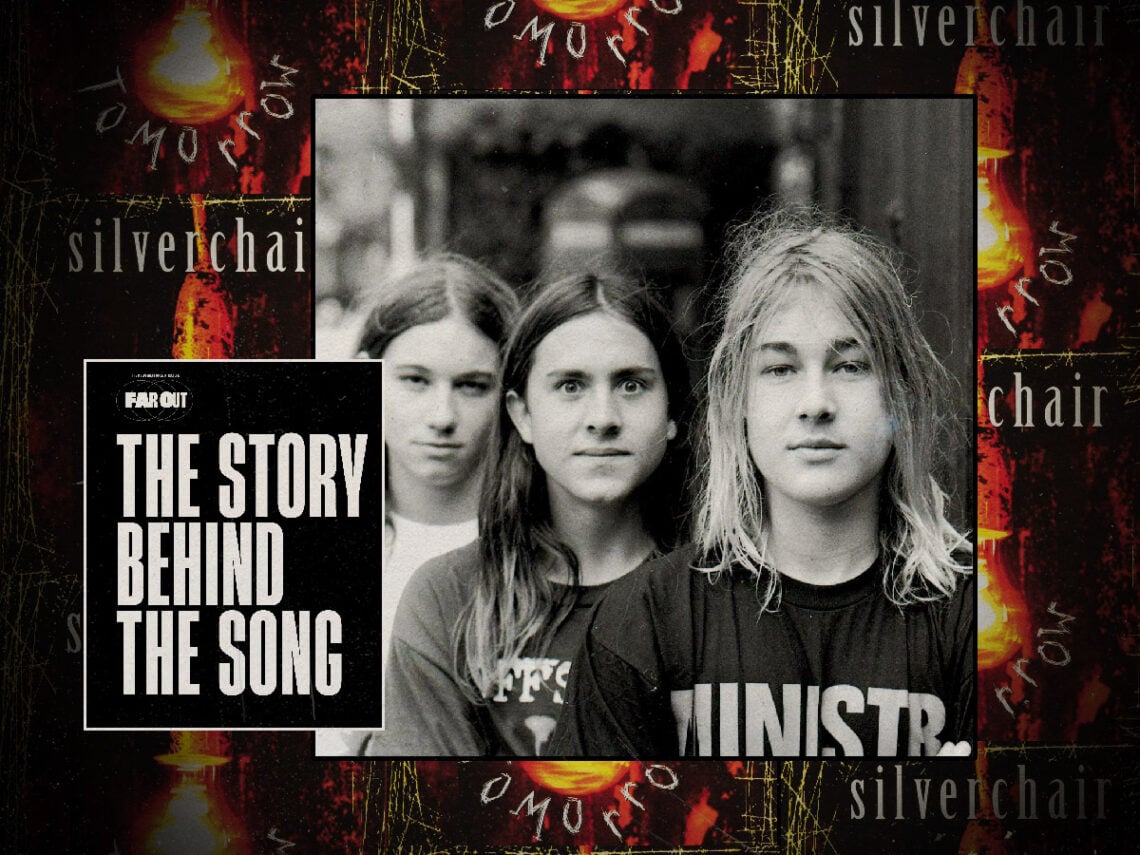
The Story Behind The Song: What is the meaning behind ‘Tomorrow’ by Silverchair?

Silverchair is the greatest band you may have never heard of.
For just over a decade, Silverchair crafted some of rock’s most poignant, experimental bodies of work, touring with the likes of the Red Hot Chili Peppers and The Offspring, dominating massive stages at Big Day Out and Rock in Rio and being heralded as gods in their native Australia, inspiring musicians like Kevin Parker to follow in their footsteps.
From their punk-grunge hybrid album, 1997’s Freak Show, to 2002’s Diorama, their rock-opera opus featuring orchestral compositions from The Beach Boys’ collaborator Van Dyke Parks, there were no limits to the sheer brilliance of vocalist and guitarist Daniel Johns’ mind. Each album became a nucleus of every emotion that coursed through Johns’ veins: the pressures of young fame, his subsequent anxieties and physical illnesses, the sadness that plagued much of his generation and, at times, his struggle towards optimism.
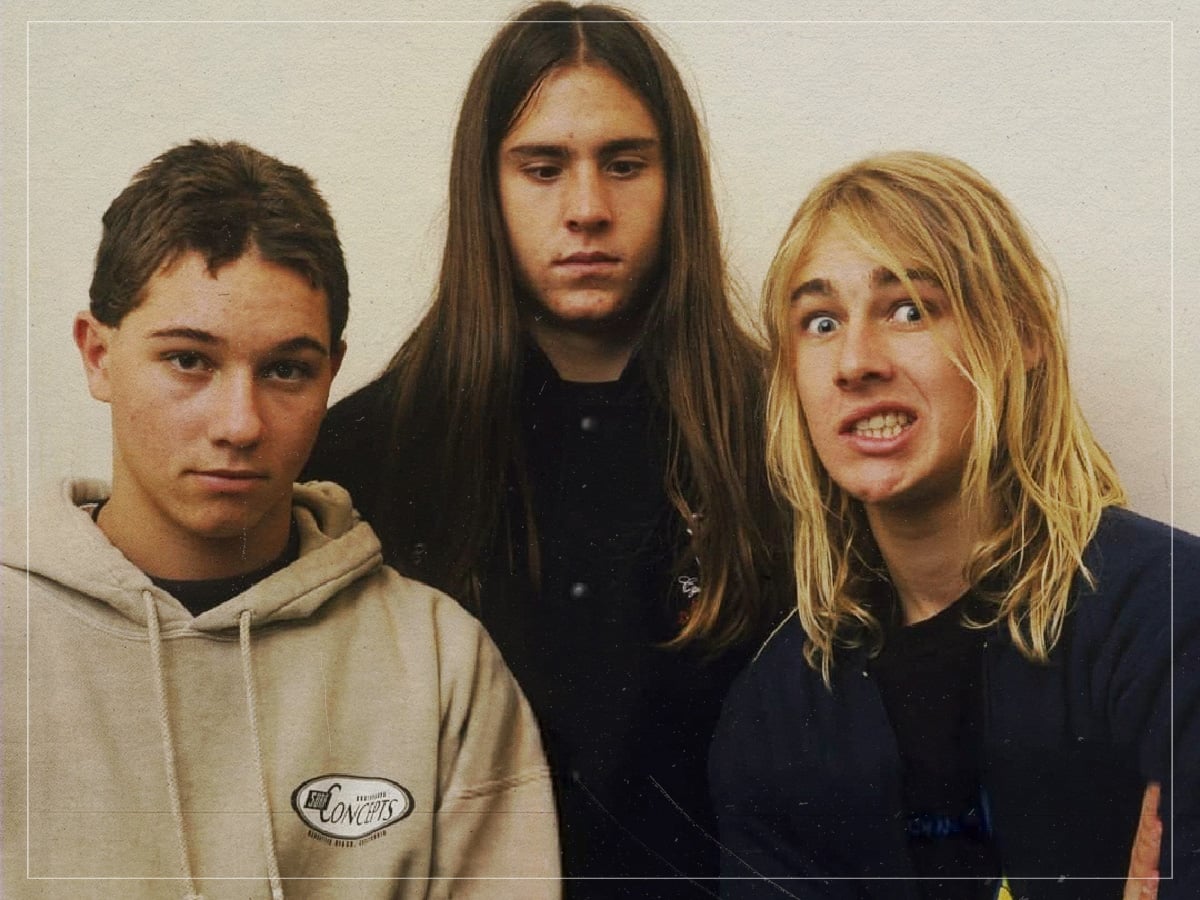
Across their five albums, Johns, bassist Chris Joannou, and drummer Ben Gillies performed with a precision and drive that makes you forget that they were, after all, just kids. Johns and Gillies had attended the same primary school in Newcastle, New South Wales, and formed Silverchair between the ages of 11 and 12. They met Joannou at Newcastle High School and began playing local gigs with covers of Led Zeppelin and Black Sabbath classics. Their breakthrough would come in 1994, when they entered a national competition called ‘Pick Me’ on Australia’s Nomad on SBS TV, conducted with the alternative radio station Triple J.
Silverchair, then known as the Innocent Criminals, heard about the competition from Johns’ neighbour and, deciding to enter, had to explain in 25 words or fewer why they should be picked. On a piece of yellow cardboard, they wrote, “We’re not hip-hop or rap. We’re rock! And we love to play.” For submission, they sent a demo of a song called ‘Tomorrow’, one that Johns had written at just 14 years old. Jamming in Gillies’ childhood bedroom, Johns conjured the melody and lyrics while playing an electric guitar with a broken neck, and began singing the infectious chorus: “You wait till tomorrow.”
The song’s eventual lyrics describe a day in the life of the teenager. Johns asks a person whom he believes hates him to accompany him to “a place in a little town”, one with no bathroom, no sink and suspicious tap water. The song strengthens in its sound, filled with grunge-tinged riffs and euphoric drumming that still hold shocking resonance, considering that it was composed by children.
Johns writes with a critical teenage angst, spitting lines such as, “You say that money isn’t everything / But I’d like to see you live without it,” with an anti-authoritative scorn. Despite ‘Tomorrow’s bizarre storytelling, it is an irresistibly anthemic song. ‘Tomorrow’ harnessed grunge’s aftermath, following the tragic loss of Kurt Cobain and the subculture’s rampant commodification, but it also revived grunge’s initial allure: the overwhelming disillusionment with the world and attempts to use guitar music as a foil.
Nomad’s producer, Tracee Hutchinson, recognised its potential and soon, the three 15-year-olds were chosen as the winners of ‘Pick Me’, earning a day’s recording at the Triple J station and film stock to record the winning clip, both of which would be owned by the band. For the video’s official broadcast, the Innocent Criminals reinvented themselves as Silverchair, named after CS Lewis’ novel The Silver Chair from The Chronicles of Narnia series. Their win was officially announced on Nomad on June 16th, 1994, with a colourful graphic that read, “It took just 25 words and a song that knocked our socks off.”
A bidding war among labels ensued, with the young band eventually signing to Sony, who hoped to sell 6,000 copies of the Tomorrow EP. Instead, it spent six weeks at number one, selling 200,000 copies in just three months, and later won three ARIA Awards. Their debut album, 1995’s Frogstomp, became the best-selling album in Australia and a massive hit in the United States with over two million copies sold.
The album came to define grunge’s last breath, with electrifying songs like ‘Israel’s Son’ and ‘Pure Massacre’ giving one last glimpse of hope for rock to persist in its uncertain future. Even still, Silverchair’s future was largely contested, with critics quick to insist that they were mere clones of Nirvana and Pearl Jam, following corporate rock’s ploy to turn the Seattle sound into a commercial product. But the three teenagers represented a DIY spirit that defied their age and the persistent comparisons.
As the success of Frogstomp led them into territory ripe for experimentation, Silverchair dispelled all rumours and went on to compose some of their generation’s most defiant (not to mention, frustratingly underrated) albums. But it all began in a childhood bedroom, dreaming of ‘Tomorrow’.
