


The Story Behind The Song: Cat Power’s ‘The Greatest’

“I can’t even describe it,” Chan Marshall, AKA Cat Power, said during a 2006 tour in support of her seventh studio album, The Greatest. “I’ve never felt this way before. I mean, the way I feel now on stage singing is the way I felt when I was six years old singing for my grandmama.”
For the many fans who were late converts to the Cat Power experience and marked The Greatest as their entry point, the singer’s cheery attitude might have seemed perfectly fitting, considering the warm vibes of that 2006 tour, when Marshall was generally in good spirits and in strong voice, backed by the lush sound of the 12-piece Memphis Rhythm Band – musicians who’d made their bones playing with the likes of Al Green.
The strange reality, however, as many of the more experienced Cat Power devotees were all too well aware, was that Marshall had written the songs for The Greatest, including its devastating title track, during one of the lowest periods of her life. In the throes of heartbreak and alcoholism, she was expecting the record to be a reflection of where she was at, and certainly didn’t envision a peppy soul band backing her up.
Once the sessions were arranged and got underway in Memphis, not even the energy of meeting and working with those seasoned pros did much to change Marshall’s outlook.
“I really didn’t care about the album when I was making it,” Marshall admitted to the News and Observer newspaper out of Raleigh, North Carolina. “I felt overly sensitive, defensive, protective. Recording with these legendary people was intimidating, and I wasn’t very strong, and I felt pretty depressed. Now, I think it’s because I was just at the brink.”
Just before The Greatest came out in January of 2006, Marshall finally hit rock bottom and was helped by a friend to check herself into rehab. It led to the postponement of dozens of tour dates, but was easily among the best decisions of her life. “I got sober,” she said nearly a year later. “When you face that demon, in a hospital situation where you have no choice but to face up to yourself and the really awful parts you’ve been hiding away for however many years, you see that it does something to you.”
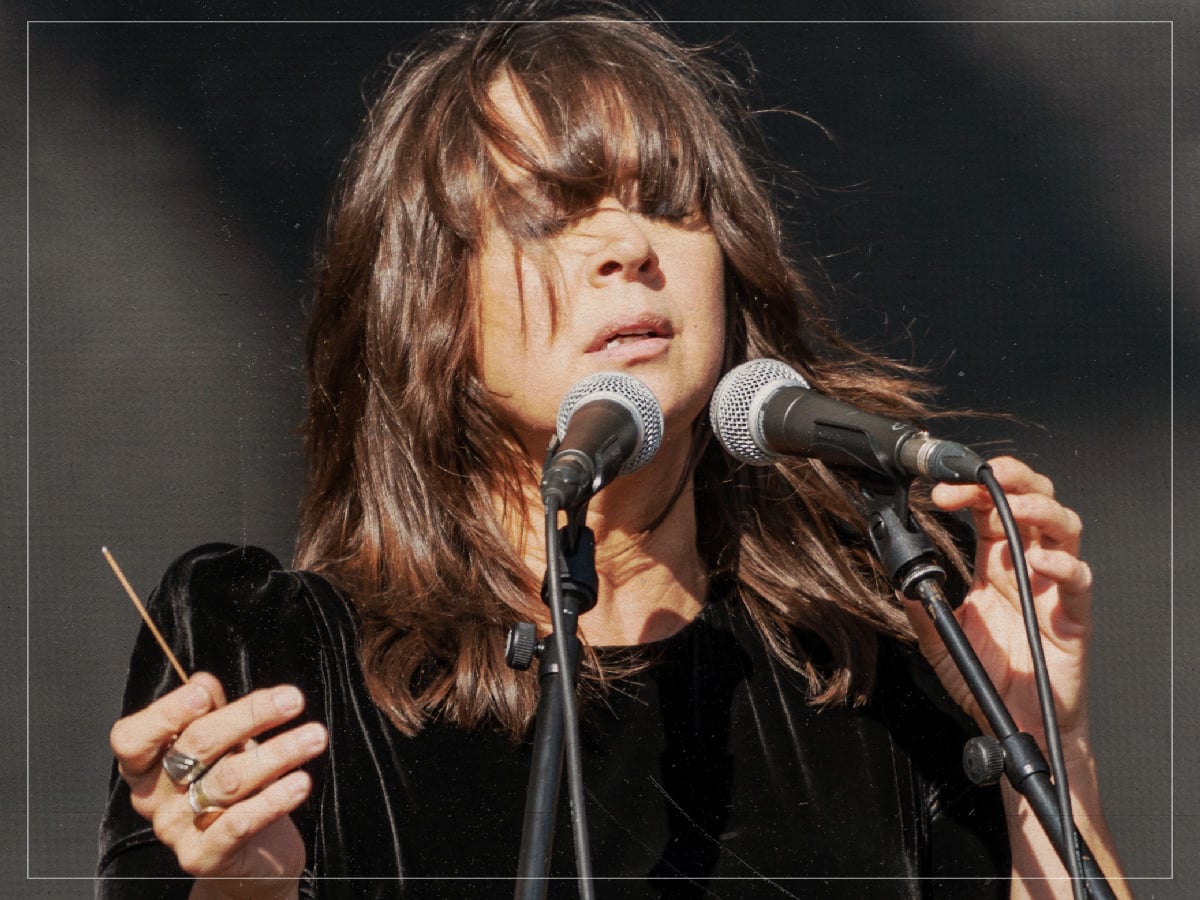
Marshall, at the age of 34, came through that prolonged abyss into a very unique situation: The Greatest was selling better than any of her previous records, and her rescheduled tour dates were looming. Rather than fearing a return to the songs she’d written in the depths of despair, however, Marshall was finally able to appreciate them for what they were. She also felt a great reduction in the stage fright that had plagued much of her career, as her all-star backing band, also known as Dirty Delta Blues, lifted her up each night.
During the tour, Marshall’s performance of the album’s opening track, the ‘Moon River’-esque piano ballad ‘The Greatest’, was especially poignant: “Once I wanted to be the greatest / No wind or waterfall could stall me / And then came the rush of the flood / Stars at night turned deep to dust.”
In some respects, the song, and much of the album, was inspired by Chan’s longtime fandom for fellow Southerner Muhammad Ali, who had given himself the nickname ‘The Greatest’ long before most boxing fans could agree that he was. The album’s cover art features a pair of boxing gloves on a chain, and in the music video for the single ‘Lived in Bars’, Marshall is seen wearing a Cassius Clay jacket, a reference to Ali’s birth name.
Marshall claimed to have written ‘The Greatest’ during a sound check before a show in Winston-Salem a year or two earlier. Her mother was going to be in the audience that night to see her perform a Cat Power show for the first time, and emotions were high. Out of that tension came a song “that’s not directly related to Muhammad Ali,” she explained, “So much as Cassius Clay”. In other words, it was coming less from a Cat Power place and more from a Chan Marshall place.
“It’s about what if he’d never become Muhammad Ali,” Marshall continued, “If he took other chances and choices in his life as a child and didn’t become the great empowerer and freedom-of-speech person he was. So that’s a song for every man, woman, or kid who had that same great strength as him, but didn’t go as far.”
Marshall herself has come a mighty long way since ‘The Greatest’. The song and the album mark their 20th anniversary next year, and she’ll be touring for the occasion, playing the record in its entirety across North America and Europe.
