


‘Stiller & Meara: Nothing Is Lost’ movie review: A surprisingly introspective documentary from Ben Stiller

Ben Stiller has matured a lot as a filmmaker in recent years, and he’s become the type of introspective creative who can craft a thoughtful portrayal of his family legacy.
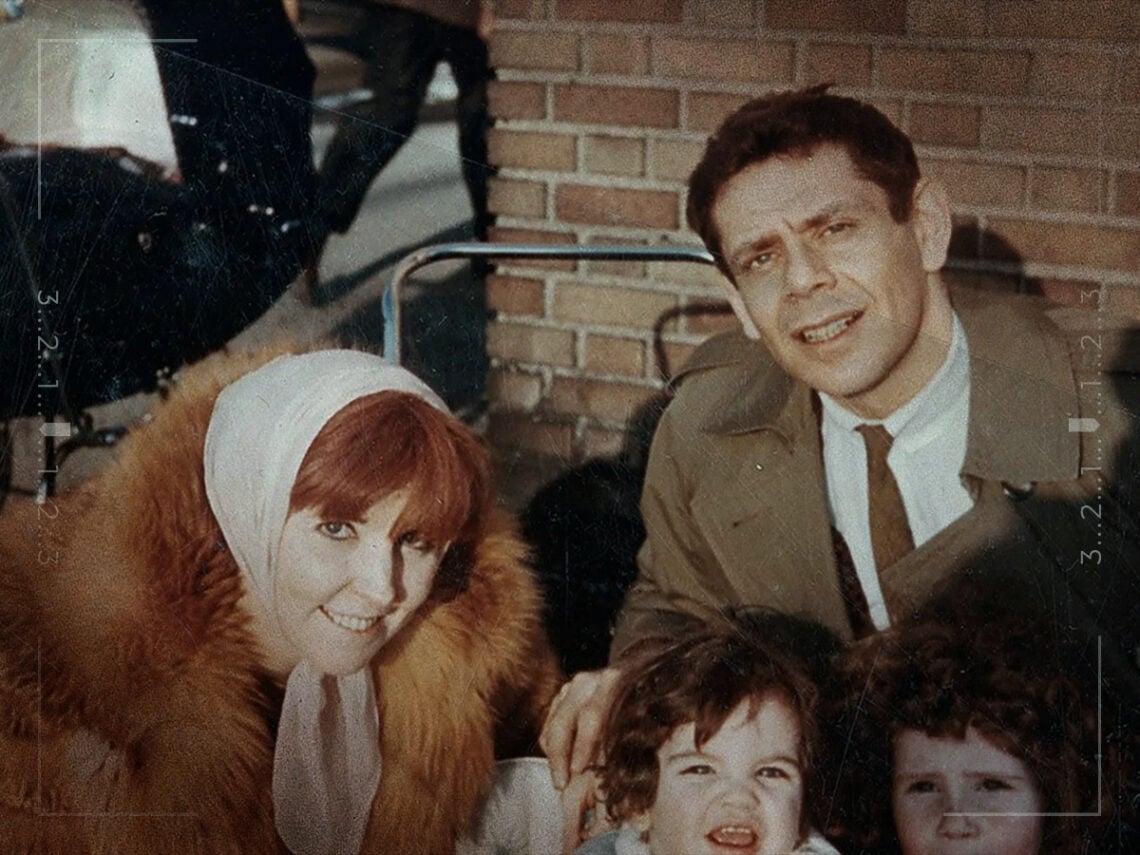
The actor/director has been such a staple of the ‘Frat Pack’ era of modern comedy that it is easy to forget that he was one of the original nepo babies. His parents, Jerry Stiller and Anne Mearer, were comedy legends whose double act was among the most popular of the 1960s and ‘70s. Although there’s been a considerable amount of documentaries about beloved celebrities released to streaming services, many of them suffer from feeling biased, as they were made in conjunction with the estate of the subject. Stiller & Meara: Nothing is Lost sidesteps that issue entirely, where Stiller has no intention of being objective, as his desire to make the film was sparked by the discovery of lost tapes that his parents had left behind.
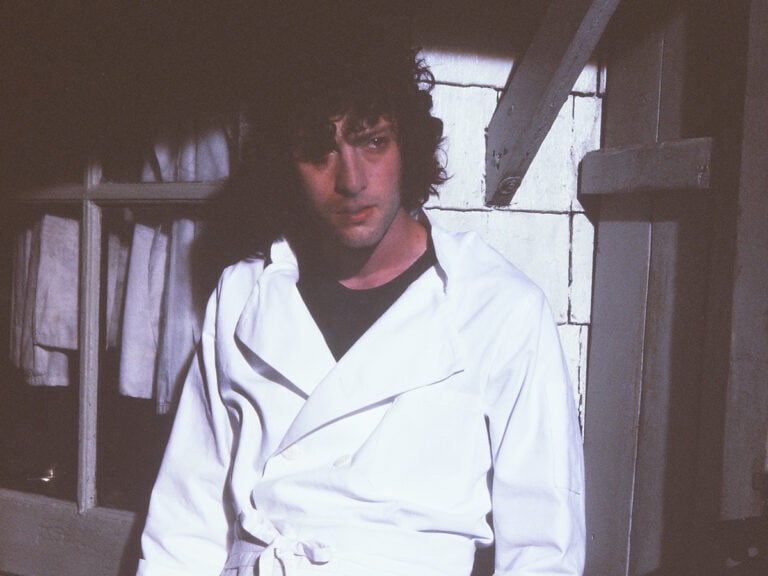
Although he is often at his best when playing slapstick goofballs in films like Meet the Parents, his directorial career has been far more diverse. Stiller’s debut film, Reality Bites, is one of the definitive representatives of Gen X, and he’s developed into a stylised television director with his work on the crime miniseries Escape at Dannemora and Apple TV’s highly acclaimed science fiction mystery Severance.
The precision with which Stiller composes the archive footage in Stiller & Meara does show the exacting style that he has grown to adopt, but such a personal documentary also provided him the opportunity to be more intimate. Despite the plethora of archive footage of his parents on The Ed Sullivan Show, he is still reflecting on the times he was left at home because they were out performing.
Of course, the documentary is still aimed at outlining what the comedians did that was so groundbreaking, so there is no shortage of clips of some of their best work. Although it is interesting to see how Stiller, speaking as a comedian, is able to analyse why their sketches ring so true, it’s perhaps even more fascinating when he is left speechless; Stiller and Meara were an act that just worked, and that undefinable magic is what has allowed their children and grandchildren to keep enjoying it. While there are plenty of younger audiences that might recognise Jerry Stiller from his role on Seinfeld, Stiller & Meara: Nothing is Lost unpacks the specific moment in comedy where television served as the perfect platform to elevate established stand-up routines.
Compiling and deconstructing why a legacy comedy act was ahead of its time takes skill, but it’s not a task that requires an in-demand filmmaker, and it only becomes clearer why Stiller chose to personally tell his parents’ story when he begins to note the parallels between their lives. His parents’ marriage turned more tempestuous in the wake of career disappointments, and Stiller briefly separated from his wife Christine Taylor, before they rekindled their relationship while in lockdown during the Covid-19 pandemic. Although he begins the film seeking to question what issues plagued his parents, he ends up adding interviews with his sister, wife, and children, all of whom indicate that he’s been making some of the same mistakes.
The overriding theme of Stiller & Meara is that one’s artistic achievements may benefit from being personal, but shouldn’t be used to determine success. It’s amusing to see how some of the characters and sketches that the duo adopted were drawn from their personal experiences, particularly in how they defied expectations for Jewish comedians and provided intimate insights about the combustibility of marriage. However, careers can live and die at a spontaneous rate, and Stiller spends a lot of time thinking about how deeply upset his father was by the failures in his last few decades of work, including his own sitcom.
While being someone willing to own up to his failures (notoriously apologising for Zoolander 2), Stiller also recognises the fleeting nature of success, and how passion can turn into a job, with one of the more notable moments being when he speaks about his experience with the Night at the Museum franchise, which he had originally embarked on to make a film that his children would appreciate but ironically ended up spending a significant amount of time away from home during the filming of the third instalment, Secret of the Tomb, which disrupted their relationship.
There are moments when these anecdotes feel a bit tangential, but he is able to tie them back to his parents in noting how admirable it was that they had maintained a relatively stable household, where the worst that can be said about Stiller & Meara: Nothing is Lost is that it occasionally depicts conversations that should have remained in a therapist’s office, but there is nothing about Stiller’s endeavour that could be considered cynical. These types of celebrity documentaries often assist in promoting their subject’s current projects, but the comedy duo of Stiller and Meara have yet to be rediscovered by Gen Z, making the film a noteworthy lesson on the history of modern comedy, so while it’s not easy to reflect on two deceased parents without being overtly saccharine or morose, it’s to Stiller’s credit that Stiller & Meara Nothing is Lost ends up feeling so optimistic.
