


The stigmas Clint Eastwood overcame on his way to superstardom

It takes quite an actor to entirely own a genre of movies, but that’s how iconic and how game-changing Clint Eastwood was.
Eastwood is the living embodiment of a western, his ‘Man with No Name’ is possibly the most famous film character of all time. He made entire generations pretend to be him, he provided the basis for enormous literary works, including Stephen King’s Dark Tower series and in movies like the Back to the Future trilogy.
Rather like The Beatles, Eastwood got to that level of recognition because he did it all first and he did it best. His was the face on cinema screens that made countless people want to go into acting, that made directors want to direct and kids want to play cowboys in the street. And as if that weren’t enough, he followed it up with a later career as one of the finest directors of all time.
His time as an actor began in the mid-1950s, but very nearly didn’t begin at all – a few years earlier he was serving in the army when a bomber he was in plunged into the ocean and he had to swim two miles on a life raft to safety. Eastwood took on numerous small roles and attended auditions before landing a role on the TV western Rawhide which he appeared on for several years and even asked to direct some episodes, a request which was refused.
When one of his co-stars on the show turned down the chance to take the lead in a Sergio Leone film called A Fistful of Dollars, Eastwood was recommended instead, and a cinema icon was duly born. It became an enormous success, launching the Dollars trilogy and Eastwood’s towering main character, with his hat, cigar and poncho was a global phenomenon, twinned with Ennio Morricone’s memorable theme tune.
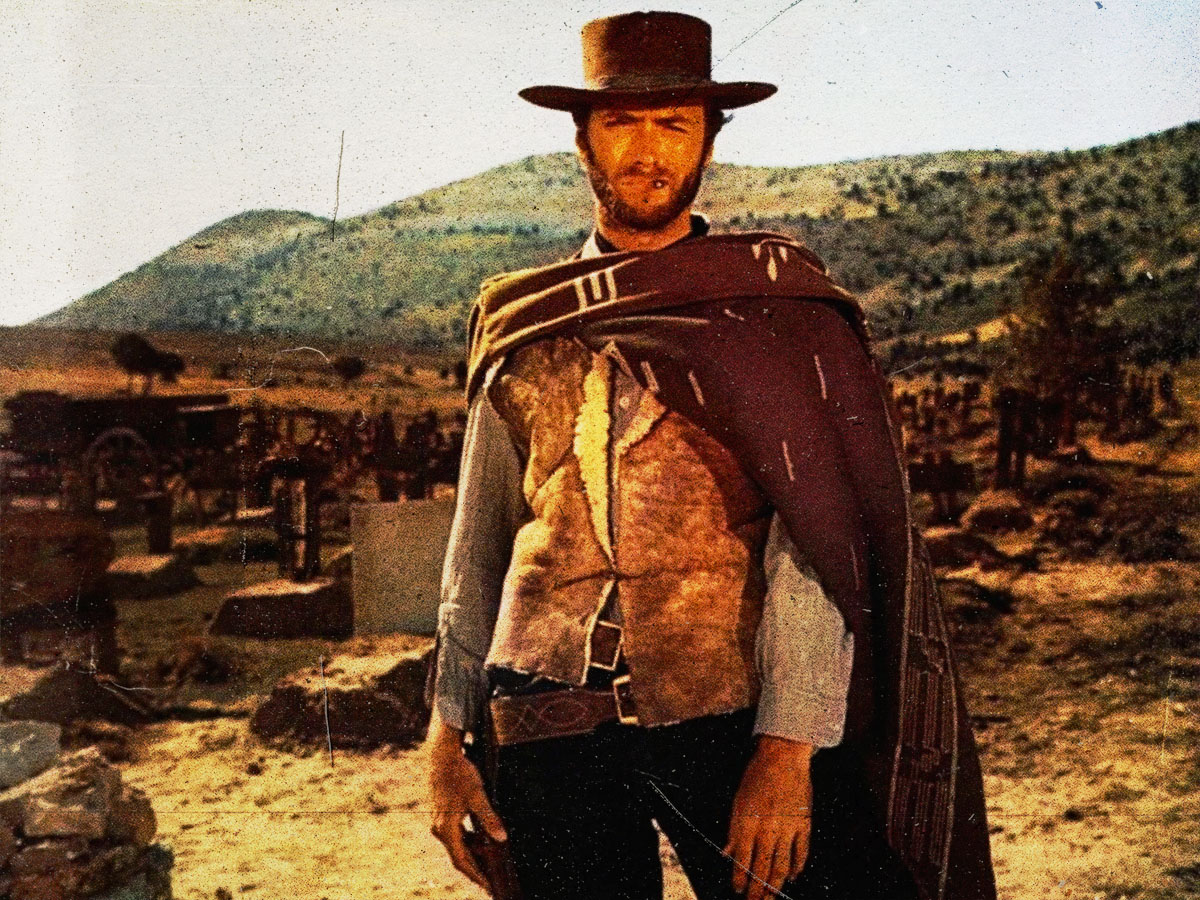
Although the critics weren’t as impressed as audiences, accusing Eastwood of wooden acting, he still pulled in a wage of almost half a million dollars for his next western, a staggering amount of money for the time. It was Hang ‘em High, the tale of a man who survives a lynching, and Eastwood was already at a point where he could significantly impact the making of films he was involved in; he altered the script and gave direction to the character.
That influence allowed him to move from westerns into other genres, like the thriller Coogan’s Bluff, the war epic Where Eagle’s Dare and even a musical, Paint Your Wagon (albeit a western musical).
In the late 1970s, at the end of the decade in which he launched ‘Dirty Harry’ on the world and claimed his second forever iconic movie character, Eastwood explained that he felt his background in television had actively worked against him. He told the New York Times that Hollywood had “a stigma against television actors, and another against people who make films in Europe. Even though I’d made three pictures that were very successful financially, the studios wouldn’t consider me for parts. It wasn’t until Hang ‘Em High, which was made here (California), connected that the calls started coming.”
Eastwood finally got to fulfil his dream in directing a movie not long afterwards with the 1971 thriller Play Misty For Me, and his talent was evident in spades immediately. It was a big hit, earning ten times its budget and winning awards for its lead actor, Jessica Walter.
Eastwood would go on to win two Oscars for Best Director, thanks to his work on Unforgiven and 2004’s Million Dollar Baby. He acted in countless more films over the decades, and even well into his 80s, he had high points, earning acclaim for action thriller Gran Torino and 2018’s The Mule.

Never Miss A Tale
The Far Out Clint Eastwood Newsletter
All the latest stories about Clint Eastwood from the independent voice of culture.
Straight to your inbox.