


Stendhal syndrome: why great artworks make people sick

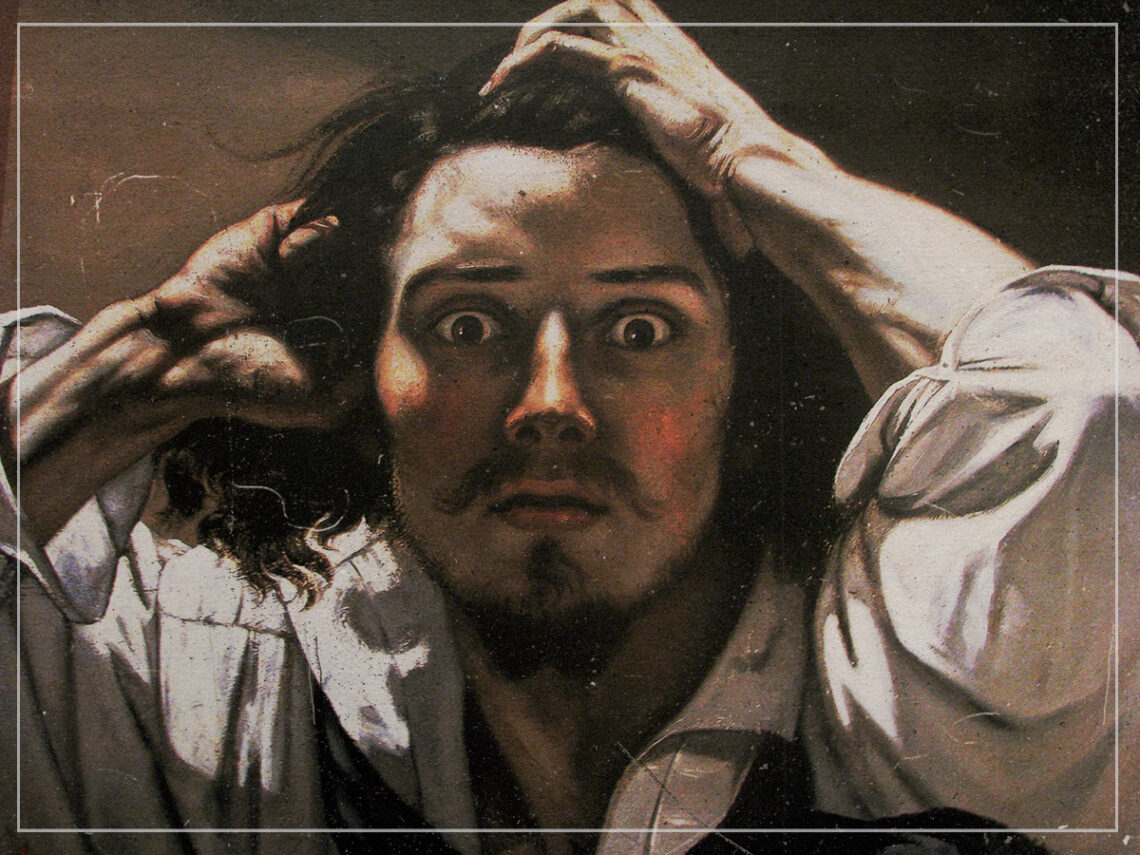
In 2018, a man fell slack before Sandro Botticelli’s The Birth of Venus. Elsewhere, there were reports of people fainting by Michelangelo Merisi da Caravaggio’s paintings, and I myself have been known to get a bit teary if I look at Vincent van Gogh’s Starry Night for too long. Some might suggest the only common thread here is great art combined with a very sensitive disposition, but scientists have gone a step further and dubbed it “Stendhal syndrome”, meaning the biological reaction the body has when faced with aesthetic overwhelm.
Symptoms of this mythic illness range from increased heart rate to hallucinations and, as bizarrely outlined by Healthline, the feeling of “meeting all of your heroes at the same time”. Psychosomatic in origin, the mental reaction to art causes the physical. It’s one of those ailments that will likely cause a few sceptic eye-rolls and be dismissed as the modern urge to pathologise everything.
That crowd will be surprised to know cases of Stendhal syndrome have been recorded as early as the 1800s. A French writer who went by Stendhal had written extensively about his travels in the 1817 memoir Naples and Florence: A Journey from Milan to Reggio, taking particular note of his visceral reactions to Florentine art.
“My soul, affected by the very notion of being in Florence and by the proximity of those great men whose tombs I had just beheld, was already in a state of trance,” he wrote. “Absorbed in the contemplation of sublime beauty, […] I had attained to that supreme degree of sensibility where the divine intimations of art merge with the impassioned sensuality of emotion.”
Contemporary research on the art-induced ailment has also found it’s a location-specific illness, with Florence’s rich art history effectively making it ground zero. Italian psychiatrist Graziella Magherini dubbed it “Florentine syndrome” in 1989 because she treated over 100 patients who had looked at art in the area and became overwhelmed by symptoms.
Later research in 2020 suggests Florence isn’t the only high-risk area for art lovers. Athens, Paris, Tokyo and Rome were all named as possible hotspots. It goes without saying the areas are not the stressor but also what’s been called an “impressionable” personality type, coupled with the stress of travel and the objective brilliance of the artworks.
Although the man who suffered a heart attack is likely the most tangible evidence of the syndrome’s existence, it’s a complicated arena to wade into, even in the psychological field. Art is meant to evoke strong feelings, and the least concerning symptoms of Stendhal syndrome – the fluttering heart and rushed breaths – could just be a fairly baseline reaction to something brilliant.
It chimes with the idea that beautiful things, be it a setting sunset or a painting by an Old Master, can trigger numinous experiences. It’s not a religious or medical phenomenon, just pure awe. Where Stendhal syndromes fit in that equation ultimately rests on the viewers’ disposition, but as all great art does, it poses a fair few interesting questions.
