


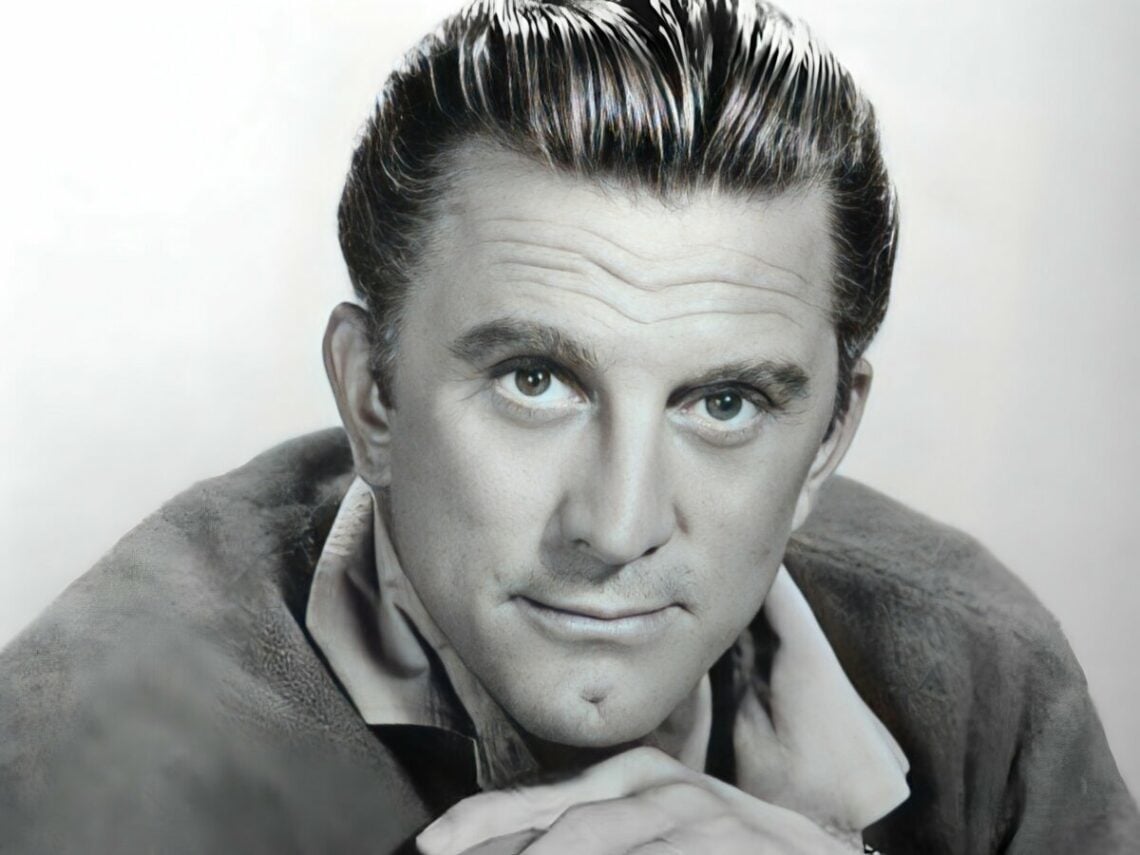
The Stanley Kubrick movie Kirk Douglas hated: “It was a lousy picture”

When certain filmmakers reach a point of fame in their lives, it can be hard to knock them without being set upon by a rabid pack of lupine fans. One such director is Quentin Tarantino, whose uniquely stylised movies have rightfully gained him worldwide acclaim but whose back catalogue often protects him from too much widespread criticism. Another moviemaker who has a similar level of protection is Stanley Kubrick.
Aside from the odd barb from Stephen King, who felt that the director had mishandled his original text for The Shining to turn it into something far less nuanced than his scripture, Kubrick doesn’t often come under fire for his work. And there’s a good reason for it: he is undoubtedly one of the best directors the world has ever known.
“I think it’s very hard to make a film that is both dramatically appealing to a wide audience and contains the kind of truth and perception which you associate with great literature,” noted Kubrick in a fantastic interview. The director was an expert at this, though, and often managed to toe the line between critical and commercial appeal wonderfully. “I suppose it’s hard enough to do something like that even if you don’t appeal to a wide audience… because films do cost a lost of money in the United States, people might be overtly concerned with appealing to a wide audience,” he explained. “Now, it should be possible to make something which is dramatically appealing and yet still not false. But it is difficult.”
Despite the difficulties, Kubrick managed to complete his work without too much criticism, at least not in the press. Aside from the denouncement of A Clockwork Orange and the violence within it, something which saw Kubrick himself campaign to have the picture removed from cinemas, the filmmaker remained critically unscathed unless you count the words of his former collaborator, Kirk Douglas, who had not-so-flattering words to say about one movie.
The duo worked together on Spartacus, a movie considered one of Kubrick’s best, and the film that threw Douglas’ career into overdrive as he took on the titular role and delivered a comprehensive performance. Written by the legendary Dalton Trumbo, Douglas as Spartacus has become an iconic figure of cinema with his words “I’m Spartacus” now equally as legendary. However, the actor had very few nice things to say about Kubrick’s final movie, Eyes Wide Shut.
It is regarded as a masterpiece by some, though, including fellow auteur Martin Scorsese: “When Eyes Wide Shut came out a few months after Stanley Kubrick’s death in 1999, it was severely misunderstood, which came as no surprise.” The movie, which deals in the excesses of consumerism and the depths of human depravity all in the guise of a hallucinogenic whirlwind certainly left Douglas feeling cold.
He noted that he didn’t like the movie and said: “I have to bear part of the responsibility because I brought Stanley to my psychiatrist.” The two men were so at odds with one another during the shooting of Spartacus that Douglas’ wife suggested they see a therapist together. During the session the doctor suggested Kubrick read Traumnovelle, the novel which he would adapt into Eyes Wide Shut. Despite this connection, his former leading man, would say of the film, “I thought it was a lousy picture.”
It’s a reminder that while we sit back and gawp at the screens, noting down our criticisms for future reference material in an attempt to make ourselves look smart, thousands of hours of work have gone into making what you see before you. It’s a reminder that making movies, even beloved ones, is rarely easy and that criticism should always be levelled with this in mind. However, if you are going to bash a movie, make sure you have a pivotal hand in making it, too.
