


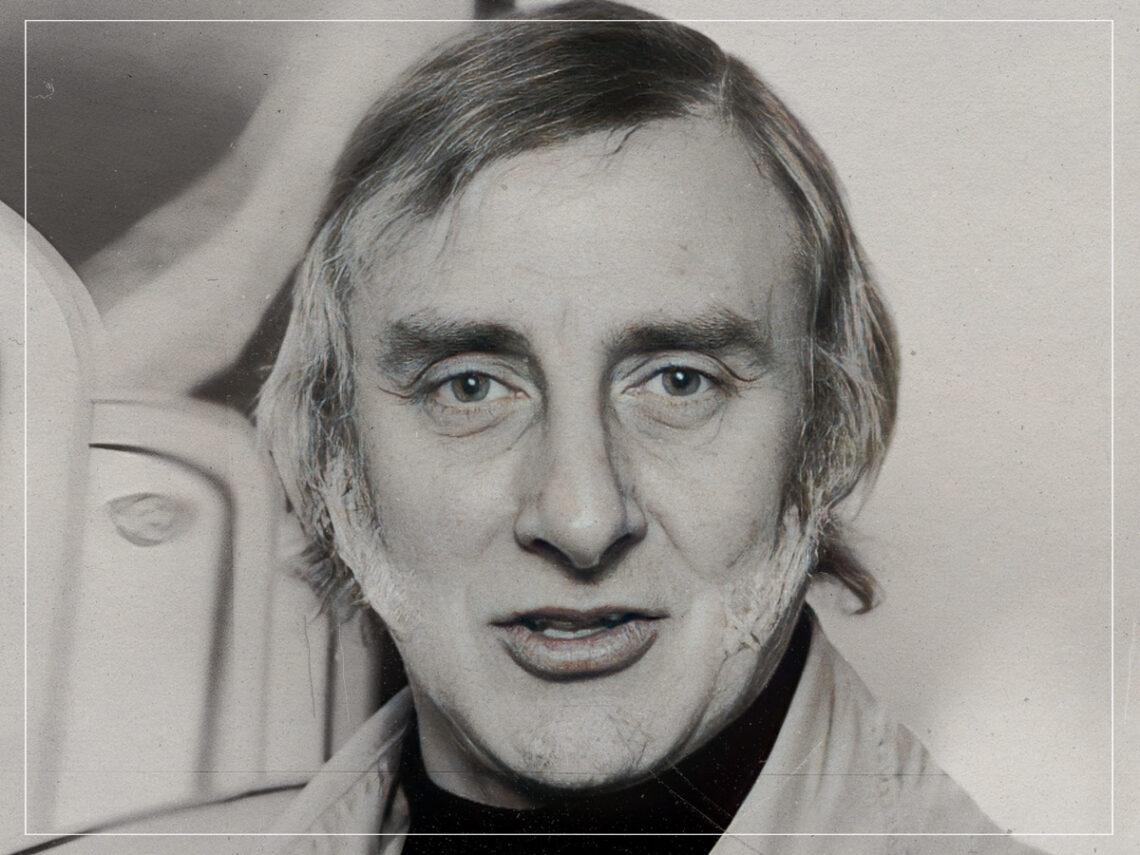
Unnecessary Noise: Spike Milligan’s environmental war against Muzak

The late Spike Milligan was an enigma until the very end, blurring lines before it was fashionable to do so. A comedy pioneer and the mastermind behind the widely influential The Goon Show—without which we’d be missing everyone from Monty Python to Rik Mayall—his contributions to British and Irish humour have been extensive.
In addition to being a comedy genius, Milligan was also highly outspoken. Despite the aforementioned Mayall and his breakout show The Young Ones owing a lot to him, Milligan had a lot to say about Mayall and his character, Rick, the anarchist punk. The Goon Show co-creator once wrote: “Rik Mayall is putrid – absolutely vile. He thinks nose-picking is funny and farting and all that. He is the arsehole of British comedy.”
To break out with such a colourful brand of comedy in an intensely rigid and monochrome world, Milligan needed to be a character of unrelenting proportions. That he was, and he continued to fight his good fight until he passed away in 2002. A lucid man of letters who vociferously championed just causes, such as his longtime battle against domestic violence, Milligan also devoted his energy to what many might consider less pressing matters, like his war against unnecessary noise.
Milligan was such an ardent supporter of environmental issues that he also joined the Right to Peace and Quiet movement. In a sign of the madness of the late 20th century, he regarded noise as a genuine form of pollution, believing it diminished the quality of people’s everyday lives. He even relocated from London to rural Essex to escape the din of the capital. From the moment he set foot in the capital after moving from India, he detested the racket.
Milligan said he fully sympathised with city and town residents who felt pushed to the brink of insanity by loud televisions, speaker systems, barking dogs, and car alarms. It was simply too much, he asserted, and it seemed people were powerless to change it.
In true radical form, Milligan felt that a law should be made that those who make other people’s lives miserable by producing excessive noise should face a one-year prison term. Thanks to people like him, The Noise Act was passed in 1996, defining nighttime hours as 11pm to 7am, giving councils greater power to tackle audible disturbances.
“Noise addresses you wherever you go: there’s noise on the train, the plane, in the supermarket, even when you go into one of those new toilets in London,” Milligan said in one interview. “One day, I thought, who are the composers? What kind of respect can you have for composers who play their music for people to defecate to?”
This environmental campaigning and aversion to unnecessary noise extended into a total disdain for Muzak. While it may seem odd to passionately dislike something so seemingly innocuous, Milligan, who was a keen lover of music—particularly jazz and classical—found himself thoroughly repelled by Muzak. The collection Spike Milligan: Man of Letters, published 11 years after his death, revealed just how much he loathed the often throwaway and background nature of this form.
He even complained to the Imperial War Museum about the Muzak they used for telephone callers on hold, saying it was “three bars of Brahms, chopped up like sausage”. He also penned one missive to the legendary Ronnie Scott, complaining about his terrible seating for watching Buddy Rich, showing that his defence of great music wasn’t just restricted to Muzak.
If it didn’t sound good, he’d make it known, especially if he thought it was tarnishing his beloved jazz.
