


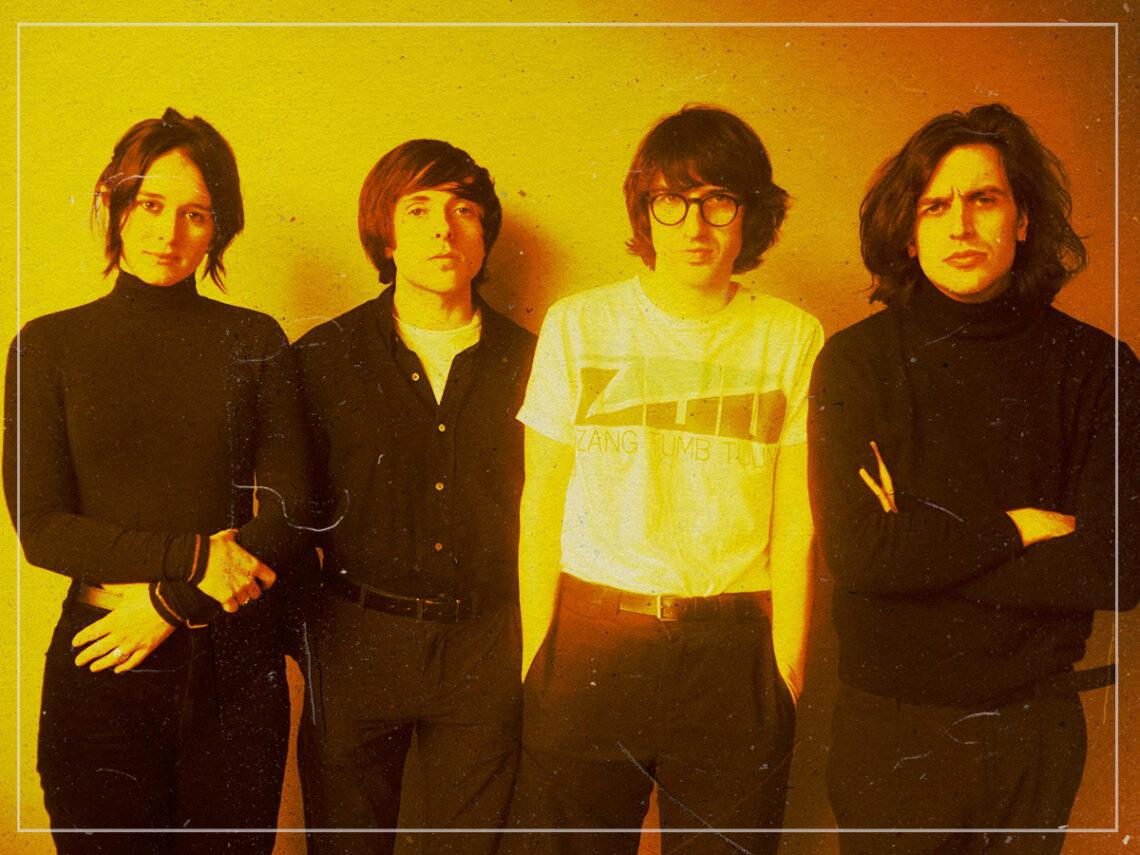
Spector – ‘Here Come the Early Nights’ album review: taking the old guard and making it new

For the past few years, rock ‘n’ roll has become more fluid in structure. Regardless of how many acts might like to burst to the forefront claiming that they are bringing back the genre of days gone by, you can’t help but wonder why no one is doing anything more original other than playing nostalgia dress-up with safe rock stylings. Although Spector hasn’t been afraid to pull from their record collection on Here Come the Early Nights, the album is a refreshing example of how to use old styles to pave the way for new incarnations.
Having spent the past few years honing their craft as one of the more exciting bands on the scene, the group’s latest record features a unique amalgamation of different styles that will make most fans rub their eyes to ensure it isn’t a lost relic of decades past. Incorporating everything from piano ballads to punk grandeur, every single song on the record seems to be focused on using those tools to craft a killer hook.
From the opening salvo of ‘The Notion’, most of the album is concerned with making songs that are more inviting than anything else, lulling the listener into a comfortable haze as the sounds of guitars, keyboards, and different beds of distortion lay around the vast mix. Although the arsenal of instruments and effects on display would generally mean that the final product sounds a bit cluttered, the band’s greatest strength is knowing when to reel things back.
Going through the album, certain tracks seem made to fill stadiums while others have a more sophisticated ambience to them, never being afraid to add the occasional brass solo break into the mix. While the varied instrumentation offers a decent treat for rock fans, the lyrics are a lot more hard-hitting for those starting to grow grey around the temples.
Throughout the LP, Fred Macpherson paints a fairly grim picture of what life becomes as an ageing rocker starting to slow down amidst the fast lifestyle of the music industry. While some of the allusions are only at surface level, the universality of rock kids growing up to face the reality of life is a much more engaging thought than any nostalgia act could muster. Instead of reliving the glory days, Macpherson knows that a new set of peaks may also be on the horizon.
Then again, that delicate balance of various different instruments does tend to get a touch grating after a while. Despite some stellar melodic moments in some spots, the mix does start to sound like they are trying to jam everything they can into the final track, which makes for an awkward listening experience on the whole. Even though there might be great pieces of music on every channel, force-feeding them in all at once tends to make tight four-minute songs sound like they are overstaying their welcome.
The album also isn’t safe from the occasional snoozer track, with the back half of the record starting to wear out its welcome after the title track starts. While the band looks like they stretched some songs for a little bit longer than they should have, that doesn’t diminish the massive potential on display.
Aside from a handful of hiccups on the production side, Spector has proved that they are one of the few who can take their favourite records and learn what made them so good in the first place. Even though there’s no set agenda or overarching concept surrounding the record, there doesn’t need to be in this case because the message of growing old gracefully shines through. For all of those wondering where the fun went in rock ‘n’ roll, it’s still here on full display, and it’s matured enough not to be a mimic.

Never Miss A Beat
The Far Out New Music Newsletter
All the latest New Music from the independent voice of culture.
Straight to your inbox.