


Soundtrack superiority: Should we be doing more to engage with the music we listen to?

Another day, another article to write. It’s become routine at this point. After doing a few bits on the side for years and now being full-time, it’s another day of further complicating a love-hate relationship with words. The most important thing that anyone needs when they’re settling into a pattern with the work they’re doing is a routine, and for me, that’s having a cup of tea, a window open, and a bit of background music.
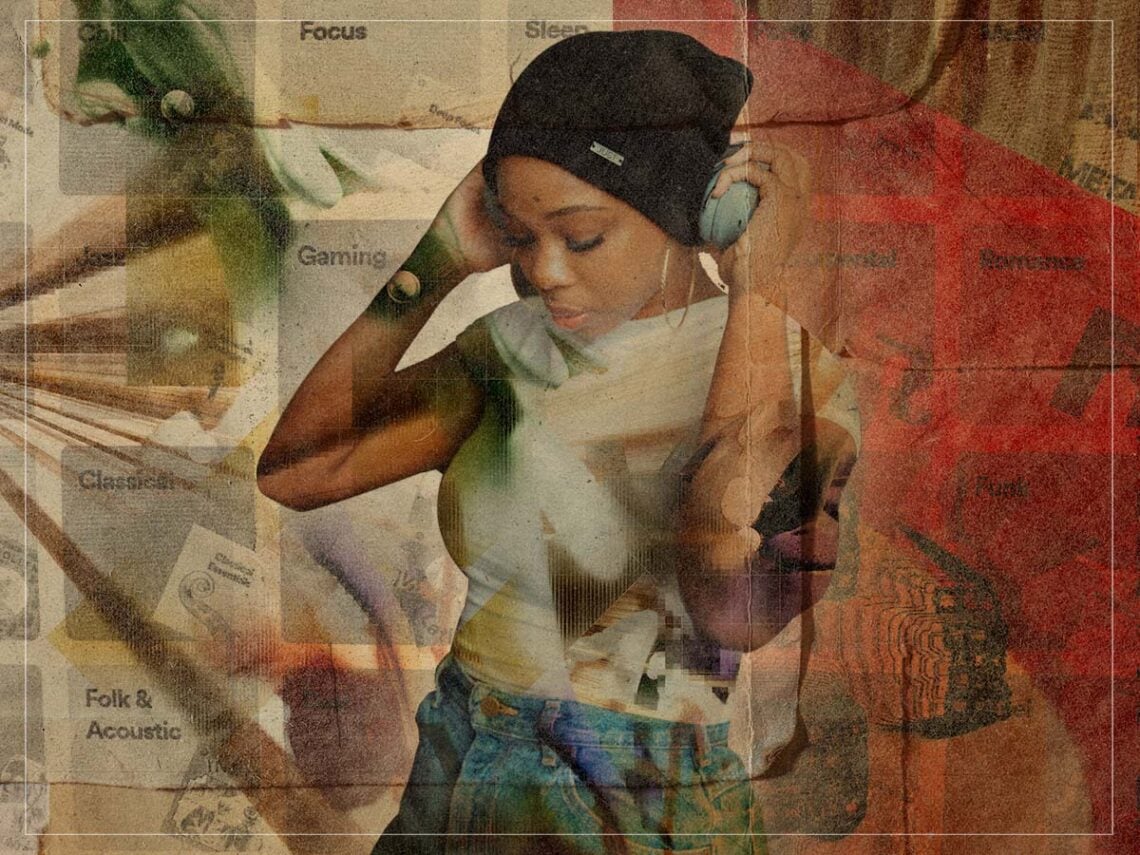
We live in an age where I don’t even need to think when putting that background music on. Thanks to the playlists made on Spotify, I can simply look up search terms such as “writing music”, “lo-fi beats” or “smooth jazz”, something that I can nestle into the pocket of and find a rhythm in. It’s become routine. However, taking a step back from that routine, it’s worth considering whether this ease of music is actually good or whether it dwindles the significance of one of the most important art forms in the world.
Donald Glover—or Childish Gambino to many of us—confused many music lovers recently when he released an album that wasn’t an album but a soundtrack for a movie that has yet to be given a release date. Glover has since said this is a movie he’s wanted to make for years and is happy he’s finally had the chance to do so. He’s also claimed that he was adamant about creating and releasing the soundtrack first. Why? Because of our attitude towards background music.
“The soundtrack forces the audience to participate in a way that I don’t feel like most things [do]…” he said during an interview with Zane Lowe, “It forces you to have an imagination. If you put out the soundtrack first, then I already see people being like, ‘This is very cinematic, this must be this part, this must be a credit sequence’.”
Glover continued: “All that stuff allows you to have to participate, which a lot of stuff doesn’t ask you to do. A lot of stuff feels flat because it’s not asking you to participate. Art used to be, you had to participate on some level and have some sort of thought process on it. You can’t just be like, ‘This is mid’, or ‘This is bad’. It has to be, you know, why do you feel these things?”

It has to be said that Glover has a point. There are a lot of benefits that come with the ease of making, distributing and listening to music these days. This means that people can create music, while in the past, they might not have had access to the funds or resources to do so. Equally, people can be more innovative with their music as they can release it themselves without worrying about impressing a label. Finally, as listeners, we can travel the world without leaving our homes, with an array of music from different periods of time in the palms of our hands.
While this ease is a positive, it’s also a negative. Every morning, when I sit down at my desk to start work and put on some background music, I’m both relying on and dismissing the art form. I’m saying I like this thing, but it’s not worthy of my full attention; it fills a silence as opposed to being something I want to actively engage with. I’m not alone with this, either. I assume we all have albums, playlists and genres we turn to for “Background music,” while it might not seem like a big deal, it diminishes the importance of music.
The beauty of art is the subjectivity of it. You might have a record that changed your life, that you look at now as a turning point and is fondly revisited. However, there will be someone else out there who hates the album, which is so important to you. The beauty lies between those two differences; we’re all different people, and our taste reflects that, and our engagement with art allows us to connect with an artist and ourselves on a deeper level.
When you answer the question, “Why does this make me feel this way?”, you begin opening doors that were previously closed. There’s a reason why art is so important throughout different periods of time and across cultures: it allows for a deeper understanding of what it means to be human, and it continues to perplex. Now, our increased access to it has limited the profound effect that it can have.
We no longer give music the respect that it deserves. It has stopped being an art form that we can view on a surface level and also use to turn introspective, but instead is something that exists in the background of our lives and that we don’t pay heed to. We should begin engaging with music slightly more, giving it the time it deserves and considering why we feel the way we do when listening to it, rather than just letting the music happen and seeing if there is something for us to latch on to. Engagement is necessary not only for the appreciation of the art form but also for its development.
