


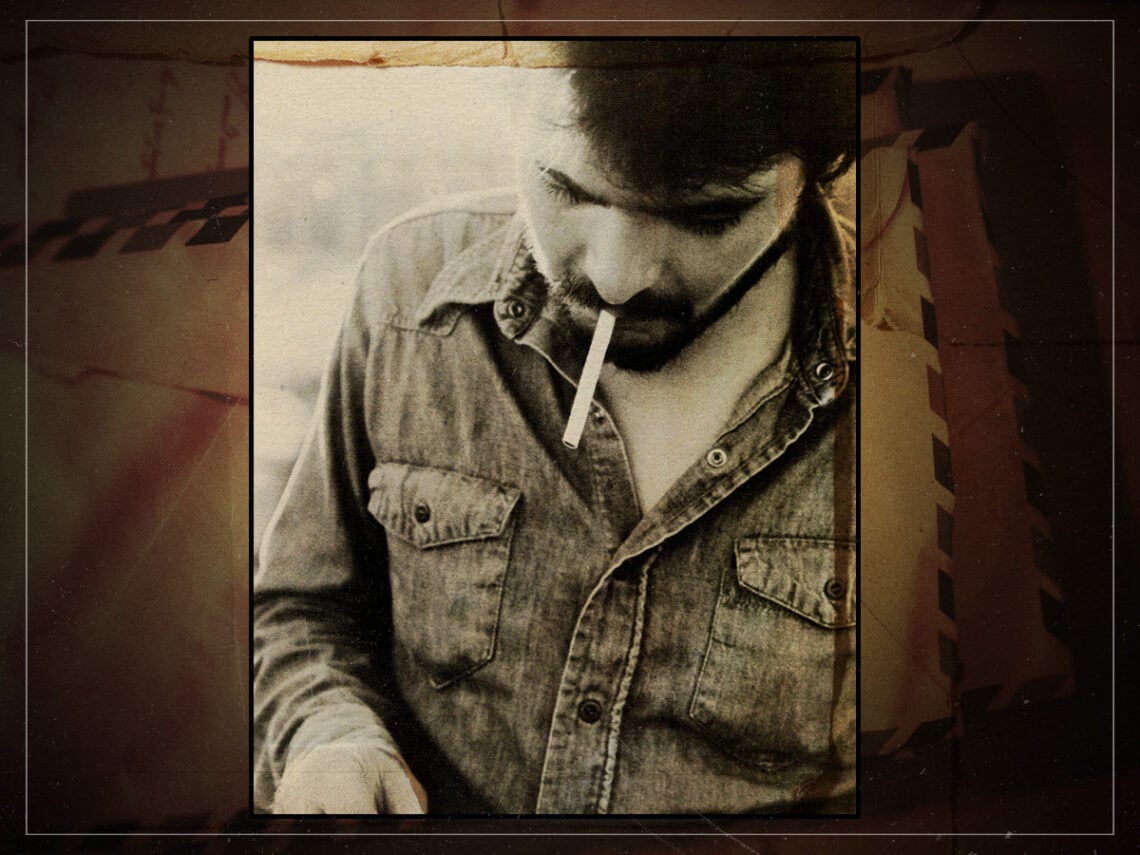
The Singing Mailman: The songs that John Prine wrote on his mail-route

In any conversation about who is the greatest songwriter of all time, John Prine needs to be somewhere towards the top of the list. There might even be some argument to put him at the pinnacle.
Bob Dylan once said of John Prine that he wrote “pure Proustian existentialism. Midwestern mind trips to the nth degree. And he writes beautiful songs”. John Prine said back, “Proustian existentialism? I can’t even pronounce that!”
Dylan elaborated on his comments by adding “all that stuff about ‘Sam Stone’ the soldier junkie daddy and ‘Donald and Lydia’ where people make love from miles away? Nobody but Prine could write like that”, and he was right. No one else has ever managed to capture the same combination of warmth, despair, despondency, hilarity, compassion, mundanity, absurdity and ultimately, reality, as John Prine did. All this is to say that his writing captured exactly what it means to be alive, to be a human being in the world and to be surrounded by other human beings, doing their best with what they have, or at least, doing what they can.
A lot of his songs feel like you’re out somewhere, people watching. When you listen to his discs spinning, you’re really watching the world go ‘round. You’re collecting tales and stories and dreams and discarded memories, or souvenirs, when he sings, and you’re building the portrait of everyone who ever lived. You’re seeing the world through his eyes and through the eyes of the characters that he conjures.
Perhaps Prine’s astute way of capturing the reality of the everyday came from one of his early jobs, one he had long before he ever had a dream of becoming a major label singing songwriter.
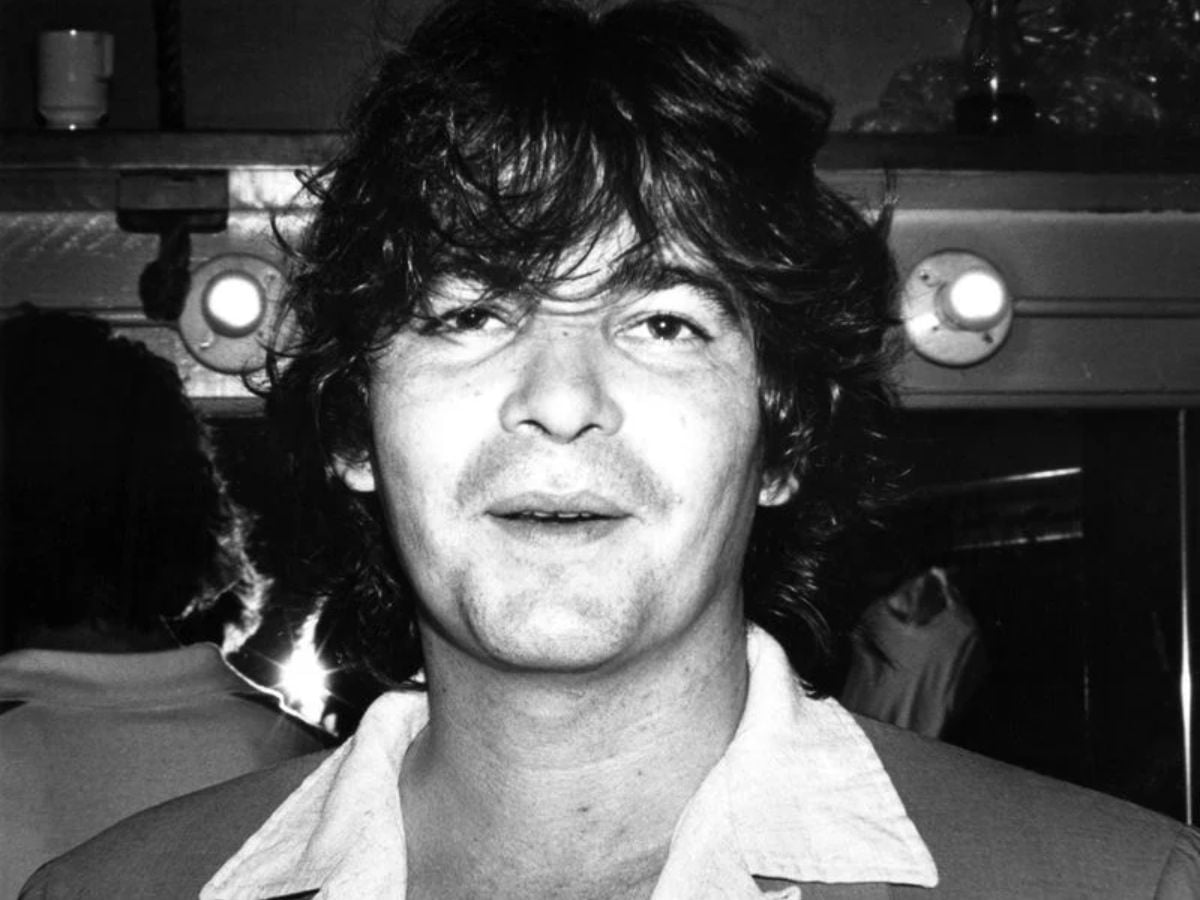
In the late 1960s and early 1970s, Prine worked as a mailman in the day before hitting the open mike nights at clubs like The Fifth Peg in Chicago in the evenings. On his route he’d get a real close up view at the real lives of the people living around him in Chicago; he’d get a glimpse into their homes and into their lives and his imagination would carry him on to the next house, and then the next one where he’d begin to connect up the stories he supposed were true about the people behind the doors he was delivering to.
A soldier at number five, a broken-hearted mother at number 12 and a man whose dreams had gotten away from him at number 59. Somewhere down the way lived a kid with no daddy who was waiting on a letter to let him know his pa was really still out there somewhere, and that he’d be back someday. Further along the road, there were still a couple of pairs of eyes living across the street from each other who, it looked like, felt pretty sweet about each other, who would occasionally send love letters in the mail to avoid arousing any suspicions from nosy neighbours.
And on it went, with Prine coming up with more songs and more stories the more mail he’d deliver. In short time, he’d befriended some fellow songwriters in the clubs, like Steve Goodman, and had received his first review where Roger Ebert (yes, that one) declared him the “Singing Mailman Who Delivers A Powerful Message In A Few Words”.
Prine eventually came to the attention of Kris Kristofferson, who was so blown away by his talents that he practically screamed about them from the rooftops. Before long, he was also on the radar of the legendary producer Jerry Wexler and Atlantic Records, who subsequently signed him up and sent him into the studio to record his debut album.
Both Prine and his songs came from humble beginnings, and the stories that started out as exercises to pass the time in his mind when he walked his mail route would soon find themselves in pride of place on his first, eponymous album. Though he never stopped writing incredible songs throughout the rest of his life, the ones he pulled from his mailbag right at the start of the 1970s would always remain among his very best.
The songs that John Prine wrote on his mail-route
‘Donald and Lydia’
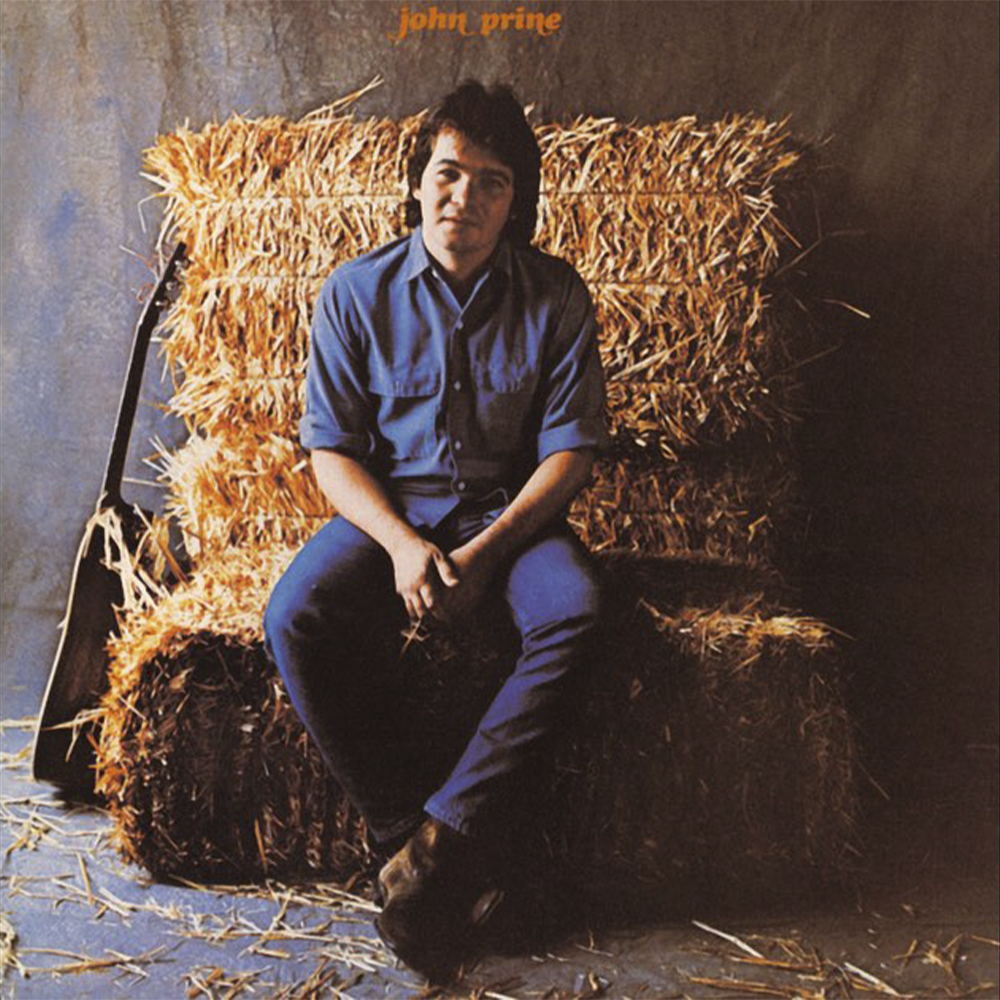
A song that sums up what makes John Prine so special as a writer, as he takes the story of two ordinary people and conjures up something extraordinary around them.
He’d write these in his head in the day and head down to the club in the night to try them out on his audience, and perhaps it was that idea of holding onto the ideas that he’d imagined that so inspired the central theme of imaginary love in this song.
‘Spanish Pipedream’
Before he had any ideas of making an album, Prine refined his material in The Fifth Peg club. Having started out as an open mic singer, he was soon booked for a more regular slot and began to think about things like the pacing of his set and how his audience would respond to the songs. Prine has said that he wrote ‘Spanish Pipedream’ so that he had an uptempo number to open his shows with, and self-deprecatingly acknowledged that he can only play two rhythms, anyway: fast and slow.
When he was delivering mail door-to-door, he’d pick up bits of inspiration for song ideas here and there, but that wasn’t all. “I used to keep a small bowl of real fine pebbles that I picked up on my mail route, and if somebody said something really stupid on TV I’d throw some at the screen”, he later said about the genesis of the “blow up your TV” line in the ‘Spanish Pipedream’ chorus.
‘Hello in There’
“I’ve always had an affinity for old people”, John Prine once said, and you can tell he wasn’t lying when you listen to this heartbreaking lament about the loneliness of old age. It is undoubtedly one of the most tender, touching and moving songs that anybody has ever written or performed.
“I used to help a buddy with his newspaper route, and I delivered to a Baptist old peoples home where we’d have to go room-to-room. And some of the patients would kind of pretend that you were a grandchild or nephew that had come to visit, instead of the guy delivering papers. That always stuck in my head”.
‘Sam Stone’
“There’s no one person who was the basis for Sam Stone, more like three or four people; like a couple of my buddies who came back from Vietnam and some of the guys I served with in the army”, Prine once explained.
Most anti-war or protest songs touch on the brutality of war in the abstract, removed from the realities of the soldiers who fought on the frontlines, but ‘Sam Stone’ shines a light on the way the war stayed with those soldiers long after the fighting has stopped, and expertly demonstrates the brutality that comes with being abandoned by the very country that you almost gave your own life for, and for who you almost certainly took somebody else’s.
‘Sam Stone’ is truly devastating. A catastrophically sad song that eats into your mind and tears into your heart. This was one of the earliest songs that Prine put together in his mind when he was out delivering mail, and it was the first song he sang when getting up to perform at The Fifth Peg.
‘Your Flag Decal Won’t Get You Into Heaven Anymore’
“This is an old song I wrote when I was a mailman in Chicago back in 1968,” Prine shared. “We used to get several periodicals that we hated as mailmen. One of them was Reader’s Digest because it was so little. It was little enough to carry with an envelope, but it was real thick, so you could only fit about three of them in your hand, and you’d end up with about 300 bundles of mail. And they’d give Reader’s Digest subscriptions to anybody. If you didn’t write back and say ‘No I don’t want it’ you’d join the Columbia Record Club and you had a Reader’s Digest.“
“Just after the Vietnam war got real ugly and people, they called them the silent majority, all of a sudden started to use the American flag for whatever they stood for. Next thing you know Reader’s Digest gave everybody a free American flag that you could stick anywhere you wanted to. I thought it was kind of odd when I was delivering them,” these moments of change are what Prine dined out on. It was a moment in time, a revolutionary one at that as America desperately tried to bandage its shame with the American flag.
‘Angel From Montgomery’
After he wrote ‘Hello in There’, one of Prine’s friends suggested he continue to explore the theme of old people. Prine thought he had covered it well enough the first time, but, he said he had an idea for something along similar lines, in the shape of “a song about a middle-aged woman who feels older than she is”.
“I had this really vivid picture of this woman standing over the sink with soap in her hands”, he explained. “She wanted to get out of her house and her marriage and everything. She just wanted an angel to come and take her away from all this. So I just kept that whole idea and image in mind when I was writing the song and I just let it pour out of that character’s heart.“
It certainly delivers an emotional wallop, Prince earnestly continues, “I didn’t realise all this at the time, but if you come up with a strong enough character, you can get a really vivid insight into the character that you’ve invented. You let the character write the song. You just dictate from then on. You stick to it, and whatever the character is saying, you have to figure out how to keep that in the song. You know? That’s how I do it. I almost go into a trance once I’ve got an outline, a sketch in my mind, of who the person was, then I figure I’d better let them speak for themselves”.
‘Souvenirs’
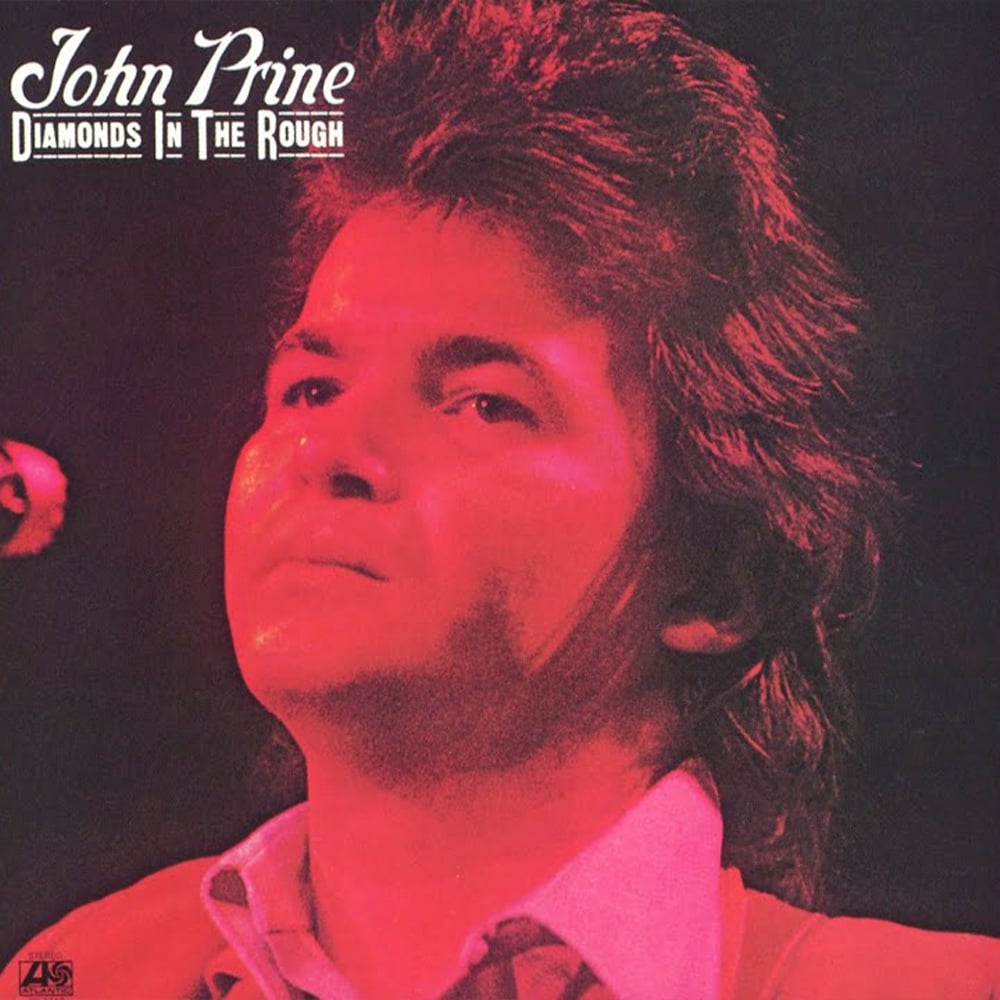
“I wrote this just after I first started performing in this little club in Chicago, it was called The Fifth Peg”, Prine once said in introducing this song in concert. “It was the kind of place where they’d let anybody get on stage, you know, and sing, so once I was assured of that I got up!”
“I sang three songs for these people, and uh, it wasn’t an audition, you could just get up there and sing but they offered me a job,“ he continued. “I couldn’t believe it, you know, and I asked them how long you had to sing, so when they told me ‘sixty minutes’, I went home and wrote the rest of the songs to fill up the sixty minutes. I’d been working there just Thursday nights, and I worked as a mailman in the day—I still didn’t feel confident enough to quit the post office!—so I was singing there Thursday’s and I was going down about the fourth or fifth Thursday I’d worked and I thought ‘boy, I bet that same guy is gonna be sitting there in the front row, you know, I’d better have a different song’, so I wrote this song on the way down to the club”.
Then Prine took a pause, and a step back and said “I wish I could still do that!”
