


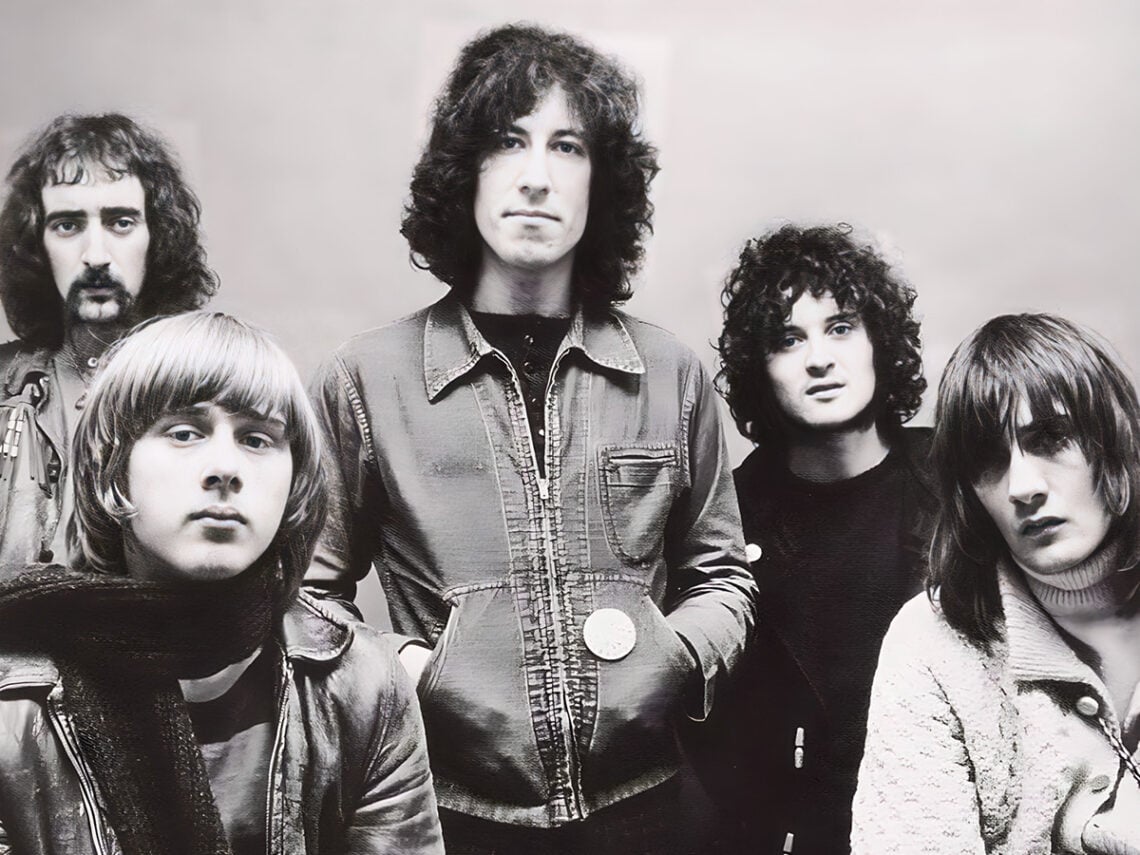
The songs Mick Fleetwood said would have completely changed Fleetwood Mac: “A vision”

Drugs seemed as much of a player in the Fleetwood Mac story as infidelity and intraband fallouts. It was the seasoning added to this melting pot of drama, and, rather sadly for the band members, it was what they were bound to. In any other instance, there would be no such plugging away in a working dynamic this unhealthy, but for Fleetwood Mac, their pain caused greatness, and so they were stuck. What better way to soften the trauma than casual drug use?
In fact, the closer to their seminal album Rumours was Stevie Nicks’ ode to the fuel that fired the record’s greatness, musing on her incessant cocaine use throughout the recording. It almost became ceremonial for the band to have a bump of the nose magic either before recording or before performing, and it veered on the edge of outright reliance for all of the band members.
Which is surprising given the fact that drugs have robbed Mick Fleetwood of musical greatness already at this point. Before the globetrotting days of Fleetwood Mac’s dream-rock, they were another burgeoning blues band in the heady days of London’s late-night scene. In the late 1960s, when Led Zeppelin and The Yardbirds were all making their mark on the world, Fleetwood Mac were following suit with their own brand of raucous blues rock.
They weren’t just wilfully trying to fit in either; they were at the forefront of the scene. Before Stevie Nicks, Lindsey Buckingham and Christine McVie fronted the band, Peter Green was plunging it further into the depths of blues greatness. Green’s name is one that history has tried its best to slowly forget, but those who bore witness to the vibrance of that scene knew he was destined to be one of the greats.
Christine McVie once described watching Green, saying, “Awestruck—everybody was awestruck by Peter. Except for Eric [Clapton], there was only Peter […]. We all thought he was just a superlative genius”.
For three steady years, Green was crafting his greatness onto Mac albums before delivering what many would is perceived their breakthrough blues album, Then Play On. Mick Fleetwood’s drumming style was given a safe space to flourish while Green’s hypnotic guitar playing took centre stage.
It opened the door to what could have been a fascinating 1970s for the band, as Mick explained, “I came up with the title, and it was a lovely creative mix. That album is the signpost of what could have been; a vision of the band if Peter hadn’t been ill.”
Fleetwood must have had some predisposed connection to complex rockstars with an overzealous penchant for drugs, because before he watched Nicks chip away at her brilliance through excessive narcotics abuse, he saw Green let slip of his potential through an LSD-induced breakdown. If you listened to his guitar playing, it was clear that his ideas flew close to the sun, but in 1970, he eventually pushed it too far. And with his exit from the band went the story of what could have been the world’s next great blues band.
