


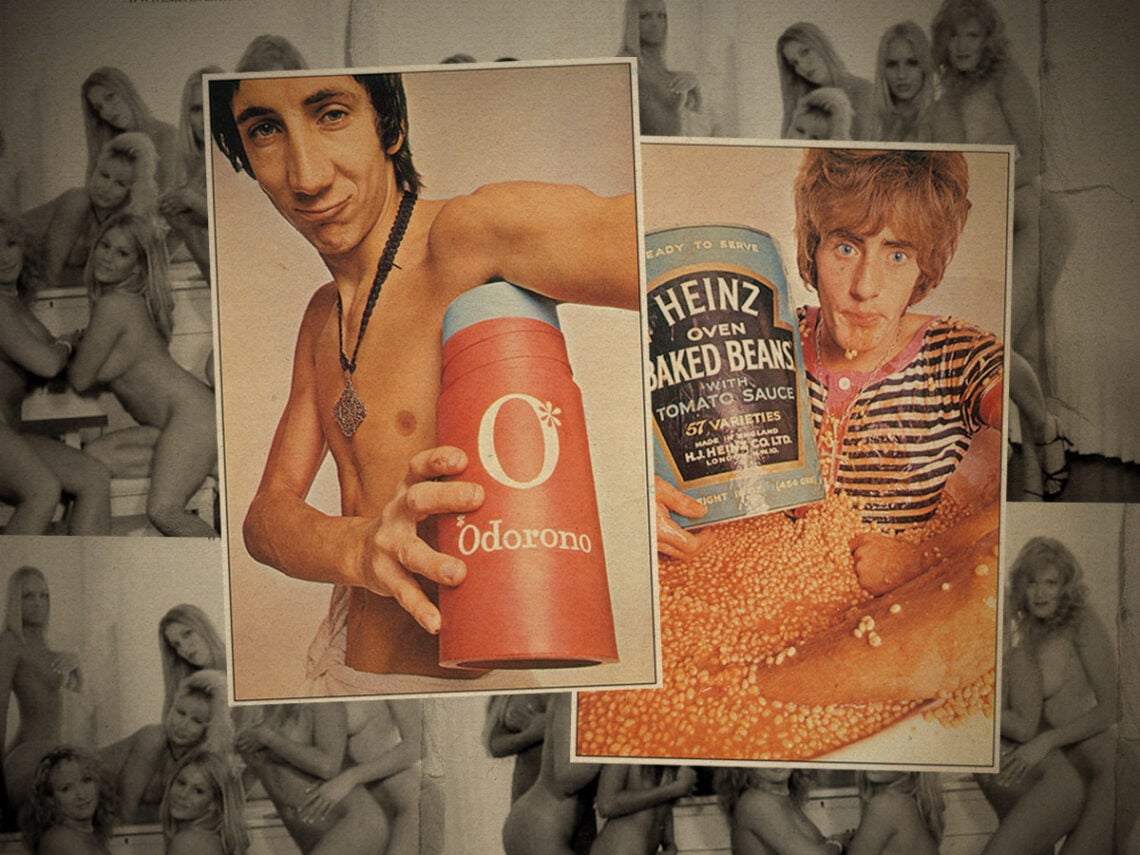
The 1974 song The Who wrote with the cunning plan to surround themselves with 100 topless women

Even if you enter into the world of songwriting with the most honest of intentions, the allure of sex, drugs, and rock and roll is inevitably hard to ignore. Particularly if, as was the case with The Who circa 1974, you find yourself in one of the biggest rock bands on the face of the Earth.
When The Who first started out, during the mid-1960s, they were little more than a group of anarchic, amphetamine-fuelled young mods on the streets of London. Unsurprisingly, then, when mainstream success came calling for Pete Townshend and the gang, they were eager to embrace all the fruits of their newfound fame. Their heyday was typified by private jets, a cocktail of illicit substances and the indiscriminate destruction of hotel rooms.
Sexuality has always been a core part of rock and roll, going right back to the days of Elvis Presley and his outrageous hip-shaking dance moves, but things became far more overt during the 1970s. With groups like Led Zeppelin, The Rolling Stones, and The Who reaching hedonistic heights previously unimaginable, that life of rock excess inevitably crept into the bedroom.
So much so, in fact, that in 1974, The Who penned a song with the express intent of surrounding themselves with as many topless women as possible. ‘Squeeze Box’, with its not-so-subtle song title, was written for a planned television special by The Who, which would apparently see them flanked by one hundred women, topless, playing accordions. We can only assume what concoction of substances blended with booze was consumed for the band to arrive at that idea.
Musically, the song was a strange departure for the band, seeing them imbue their out-and-out rock sound with the comparatively gentle, whimsical sounds of country and bluegrass, spurred on by Pete Townshend’s banjo playing on the song. Expectedly, though, the musical content of the song largely takes a backseat to the clear sexual subtext.
‘It was a different time’ is one expected excuse for the song, which, in hindsight, is reflective of the horrendously misogynistic spirit of 1970s mainstream rock. For their part, though, the band members have each given their own distinct explanations for the track. Townshend, the primary songwriter, once declared, “It’s not about a woman’s breasts, vaginal walls, or anything else of the ilk,” contrary to the beliefs of his musical comrades.
Frontman Roger Daltrey, for instance, called upon the nadsat language in his view of the track: “There’s nothing wrong with a bit of ‘in-and-out’, mate!”


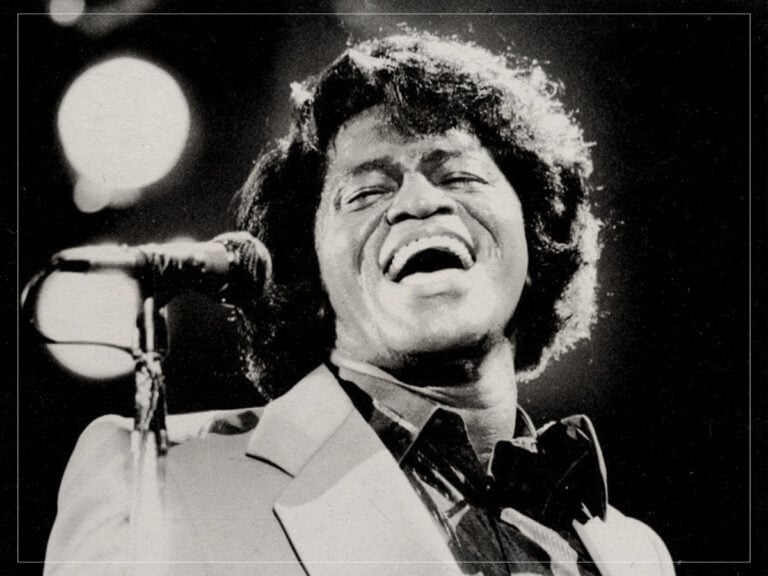
Meanwhile, John Entwistle gave the rather pathetic excuse, “‘Squeeze Box’ isn’t that dirty. It doesn’t say ‘tits’”.
No, John, it doesn’t say ‘tits’, but everybody and their mother knows that’s what it is all about. Had the band’s bizarre plan to perform the song surrounded by topless women ever come to fruition, there would be no doubt whatsoever about the sexualised, objectifying content of the song, either.
Whether the song is an example of bawdy 1970s innuendo or a reflection of the chauvinism inherent in the rock scene of that period, it is a perfect time capsule for the state of the rock landscape during the mid-1970s, when budgets had grown far too high, and egos were left unchecked.

Never Miss A Tale
The Far Out Classic Rock Newsletter
All the latest Classic Rock content from the independent voice of culture.
Straight to your inbox.