


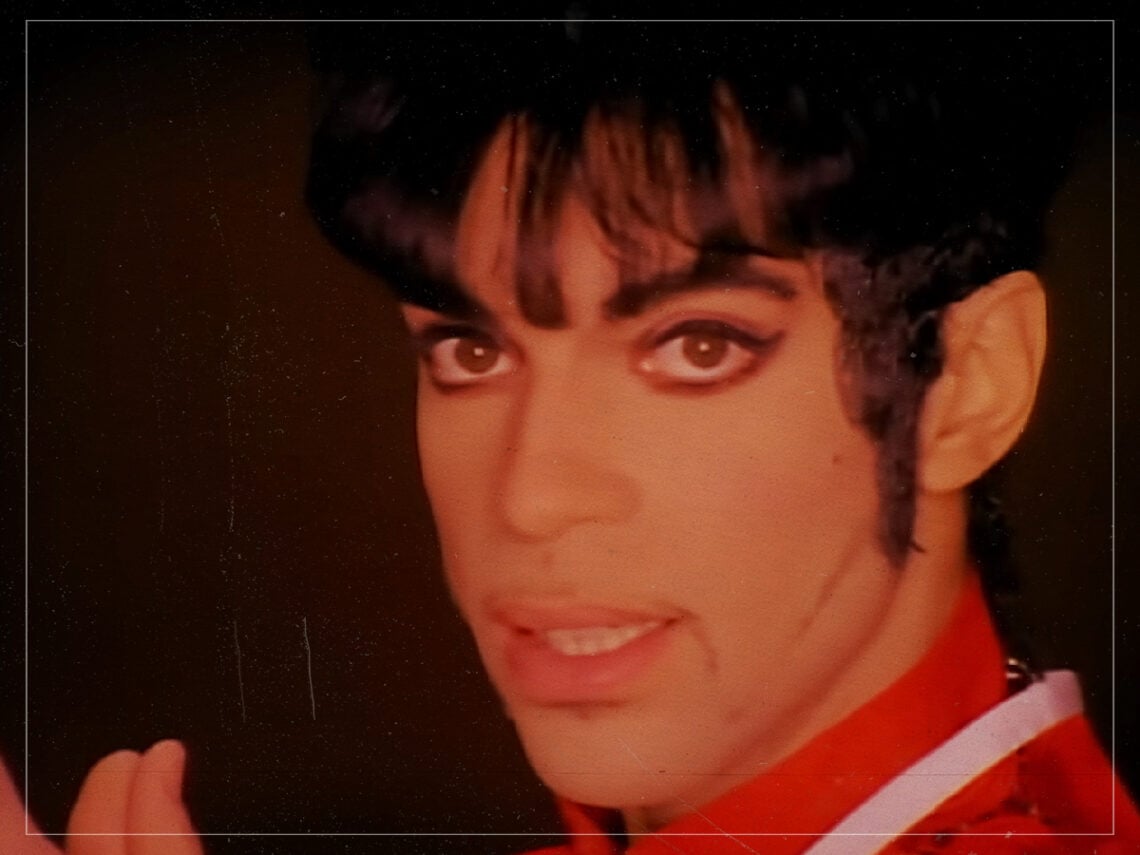
The 1994 song Prince was forced not to make: “They can’t look beyond what’s in Billboard”

Despite signing an eye-watering contract with Warner Bros, Prince would soon make his contempt for the label apparent to the world in an expected, eccentric fashion.
He’d been with Warner since day one. Signing as a teen as early as 1977, the multi-instrumentalist whirlwind from Minneapolis soon grew to rise as the label’s most lucrative asset, dominating the following decade with a run of Billboard smash albums and standing as a bona fide star of the MTV age. When it came to renewing his contract in 1992, a hefty six-album deal was agreed to at the speculated tune of $100million.
It was the largest recording and music publishing contract in history, even blowing Madonna and Michael Jackson out of the water in terms of figures. But Prince quickly grew dissatisfied with the arrangement.
‘The Purple One’ was a well-known workaholic, nearly glued to his Paisley Park studio if he wasn’t on stage or shoving the music video director out of the way for his own promos. Warner didn’t dig it, however. Wary of market saturation, the label giant urged Prince to hold off on his tornado pace with the backlog of material in the can.
Before long, Prince adopted the unpronounceable ‘Love Symbol’ moniker as a suspected effort to escape Warner’s contractual straightjacket, or just to make life difficult for them. Among master tape ownership gripes, a dislike of Danny Goldberg’s chairmanship over the former Mo Ostin, and the refusal to issue Come and The Gold Experience simultaneously, a purported creative control finally pushed Prince to etch “slave” on his cheek for various public appearances.
A large part of this artistic tension was down to a song he wished to cut with Nona Gaye. According to Prince, he and the singing daughter of Marvin Gaye wished to record a benefit single in aid of the firearms issue plaguing American streets at the time.
“I said [to Warners], ‘OK, listen, there are people shooting and killing each other in the ’hood, and I think I can do something about it, and put some money in, and (ironically) maybe that would be more important than what’s in your Billboard chart this week,’” Prince recalled to Q in 1995. “They said no. (Shakes his head) They can’t look beyond what’s in Billboard.”

They had form together. Only a year earlier, the two had released ‘Love Sign’ from NPG Records’ 1-800-NEW-FUNK compilation to warm chart success, and the issue of gun crime had cropped up on ‘Sign O’ The Times’ and ‘Dance On’, but the money men just couldn’t let Prince unleash the burst of material he had in his vaults. It’s unclear if the song ever saw the light of day, with ‘Baltimore’ possibly borrowing lyrical elements when released in the wake of Freddie Gray’s fatal shooting by police in 2015.
We’ll never know, but Prince eventually patched things up with Warner, signing papers concerning the Purple Rain 30th anniversary and finally having his hands on his highly sought master recordings, then passing away two years later in 2016.
