


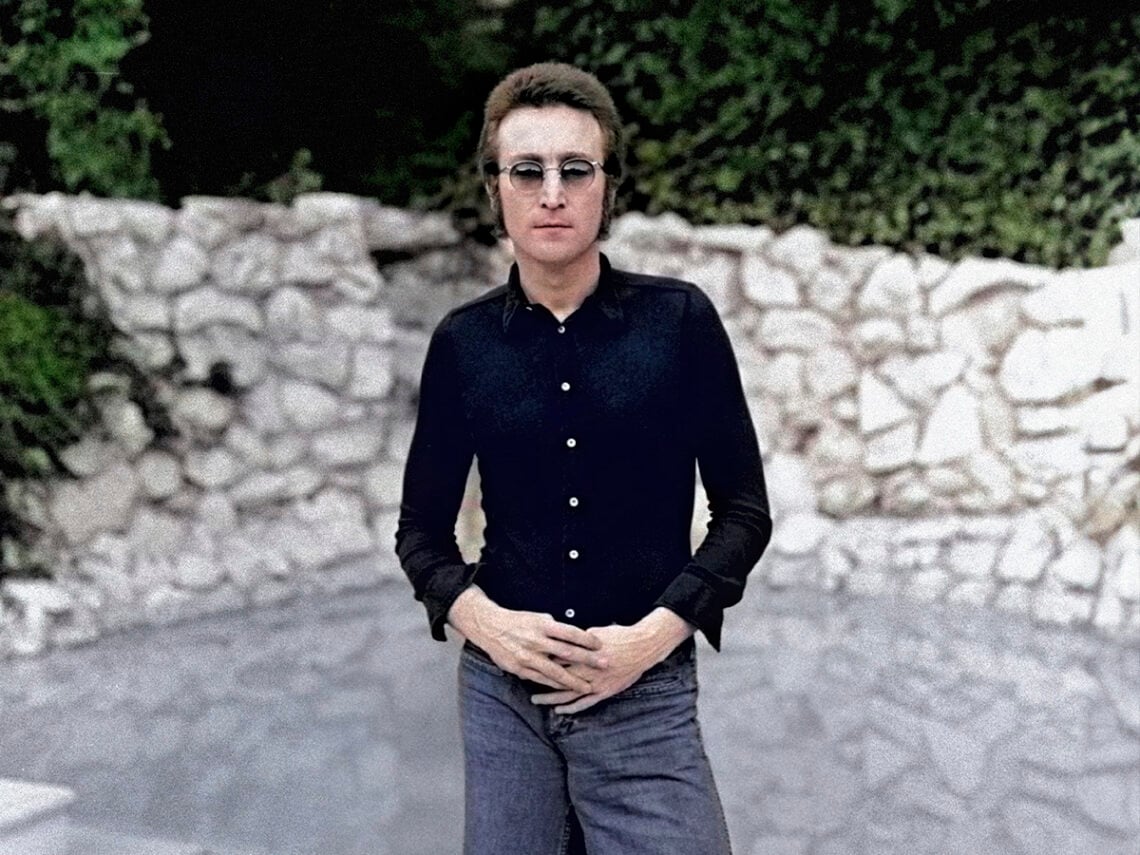
How hatred inspired John Lennon to write one of his biggest hits

Christmas songs with artistic depth are few and far between. Festive playlists are curated less on creative intrigue and more on the atmospheric establishment, something pleasant that can hum in the background just as quickly as it incites a drunken chorus. In particular, Bing Crosby’s ‘White Christmas’ is a festive fireplace classic with a warm sense of description in the lyrics and a catchy melody, it serves the sole purpose of a crowd-pleasing Christmas tune that can inspire the corniest croon from your uncle every year.
At the time of writing, ‘White Christmas’ currently has half a billion streams, and with over 70 years of Christmas soundtracking, there’s little to no protest at labelling Crosby’s hit as inoffensive, regardless of your feelings towards Christmas music.
The song itself also indicates a moment in time, the tidy 1950s, where societal conflict remained rife but artistically ignored. So at Christmas, when Crosby is played alongside Darlene Love’s ‘Christmas (Baby Please Come Home)’ and Brenda Lee’s ‘Rockin’ Around The Christmas Tree’, there’s nothing other than a deliberate sense of conscience to convince you that you’re existing within a hallmark Christmas film.
Ultimately, if John Lennon were to join the Christmas music crowd, it wouldn’t have been of that sentiment. By 1971, when Lennon was recording his own festive track ‘Happy Xmas (War Is Over)’, his role as musician cross activist was at its peak, using his and Yoko Ono’s honeymoon as a bed-in at the Amsterdam Hilton Hotel, just two years prior.
So when the two of them and the Plastic Ono band wrote their own festive tune, it was undoubtedly going to address the societal unrest that existed at that time. But within the band’s line-up hid an easter egg that provided Lennon with an extra layer of critique towards the white picket fence world of the 1950s and the music representing it.
On guitar and vocals for the band was Phil Spector, who would go on to produce Lennon’s Christmas hit. Spector was also the producer on The Paris Sisters’ ‘I Love How You Love Me’, a track directly influenced by Crosby’s ‘White Christmas’.
An article by Uncut that documented the recording of ‘Happy Xmas (War Is Over)’ said that “when he (Lennon) first played it to Spector, the producer said that the first line is a direct crib from the Paris Sisters’ ‘I Love How You Love Me’, which Phil produced back in the pre-Crystals days.”
The vocal delivery on the opening lines of both tracks is undoubtedly similar and it begs the question of whether Lennon’s inspiration from these songs was born from distaste or admiration?
It’s later recounted that Lennon said he wrote it “because I was sick of ‘White Christmas’”. It’s hard to believe that Lennon, arguably the most revered and decorated musicians of the 20th century, was sick of ‘White Christmas’ because of its commercial success and exceptional songwriting.
But his own Christmas rendition isn’t exactly the psychedelic departure of a man pushing against the humdrum of pop-chart commercialism. ‘Happy Xmas (War Is Over)’ boasts all of the Christmas conventions of a backing choir and a percussion section peppered with bells. But importantly, as Lennon did unwaveringly, was it used a commercially celebrated season as a anchor point to ask a more crucial social question.
Was it the performance of Crosby that Lennon was sick of or rather, the societal unwillingness to move from a symbolic 1950s ‘White Christmas’ and into a more socially conscious ‘70s?

Never Miss A Beat
The Far Out Beatles Newsletter
All the latest stories about The Beatles from the independent voice of culture.
Straight to your inbox.