


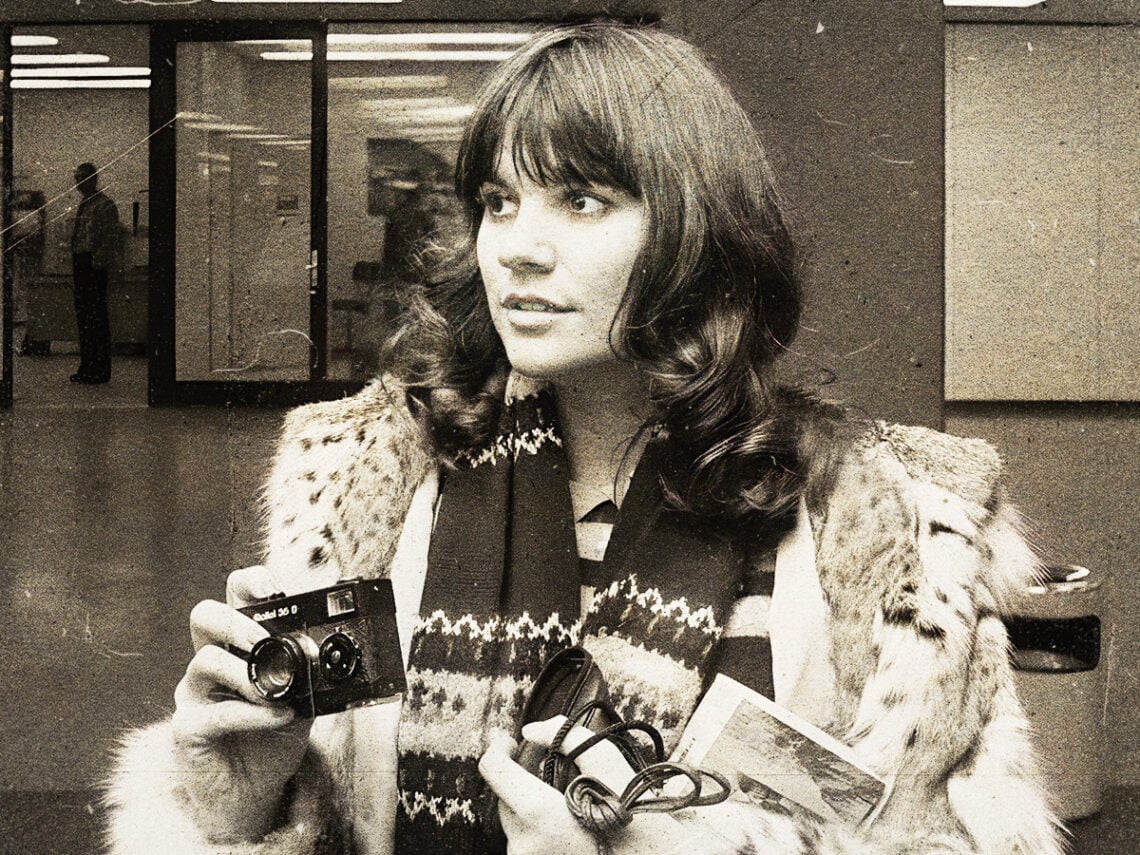
The song Linda Ronstadt always wished she had recorded: “I didn’t think I could beat it”

When Linda Ronstadt released Simple Dreams, it set off a domino effect of achievements, not only in threatening Carole King’s place as the best-selling album by a female artist but in knocking Fleetwood Mac’s timeless masterpiece Rumours off the number one spot and nudging Elvis Presley out of the way in the process. This wasn’t just another country rock album—it was a world of sorts, one filled with a bittersweetness that brought together a handful of her own personal favourites.
From the tenderness of tracks like ‘Simple Man, Simple Dream’ to the more upbeat country rock tracks like ‘Poor, Poor Pitiful Me’, Simple Dreams was a versatile affair that set Ronstadt ahead of the curve. The tail-end of the 1970s saw music enter a less traditional domain with many rock players experimenting with more country, soulful, and blues influences, and this record not only achieved this but aligned her with a growing wave of women in music who were reshaping the industry.
The record also enabled her to reimagine songs originally delivered by some of her personal musical heroes, like The Rolling Stones, JD Souther, Eric Kaz, and, of course, Warren Zevon. At the time, Ronstadt adored Zevon’s music despite never getting the chance to know him personally. He was a somewhat reserved character, which hinged on his alcoholism, making him difficult to pin down or have a conversation with.
However, as with many of her favourites, Ronstadt let his music do the talking, and she gained a glimpse into his weird and wonderful world. As a result, she realised that she shared her experience with many of the things he wrote about, which urged her to deliver heartfelt and modernised versions of ‘Carmelita’ and ‘Poor, Poor Pitiful Me’ for Simple Dreams, swapping his signature darker edge for a more countryfied, singer-songwriter appeal.
Discussing Zevon’s impact with Uncut, Ronstadt recalled Zevon’s inexplicably mysterious demeanour while discussing one track she held close to her heart. “Warren Zevon never came to my house, though. I didn’t know him very well, he was incredibly shy,” she explained. “He was a heavy drinker so he hardly lifted his eyes off the floor. But JD [Souther] and Jackson [Browne] were close to him, and I just loved his songs.”
Mentioning his track ‘Accidentally Like A Martyr’ as one she views as a missed opportunity, she added: “I’ve always wished I’d recorded ‘Accidentally Like A Martyr’; I just feel like it was a great opportunity I missed. I was intimidated by it at the time, and I loved the way he’d recorded it and I didn’t think I could beat it, but I think I could’ve if I’d worked at it.”
Beyond appreciating the songwriting element, it’s clear why Ronstadt would want to cover a song as poignant and emotional as ‘Accidentally Like A Martyr’. For starters, the song reflects on heartbreak, loss, and the bittersweet nature of love, which were incidentally many aspects Ronstadt touched upon in her own songwriting.
However, the song also showcased a seamless blend of rock, country, and pop, with an added soulful edge, which Ronstadt always admired about Zevon’s writing. All of these elements make it easy to imagine the subtle changes Ronstadt would have injected had she gone ahead with her version, most obviously her vocal delivery, which would have given it a layer of vulnerability that Zevon couldn’t have incorporated with his more downbeat, cynical range.
