


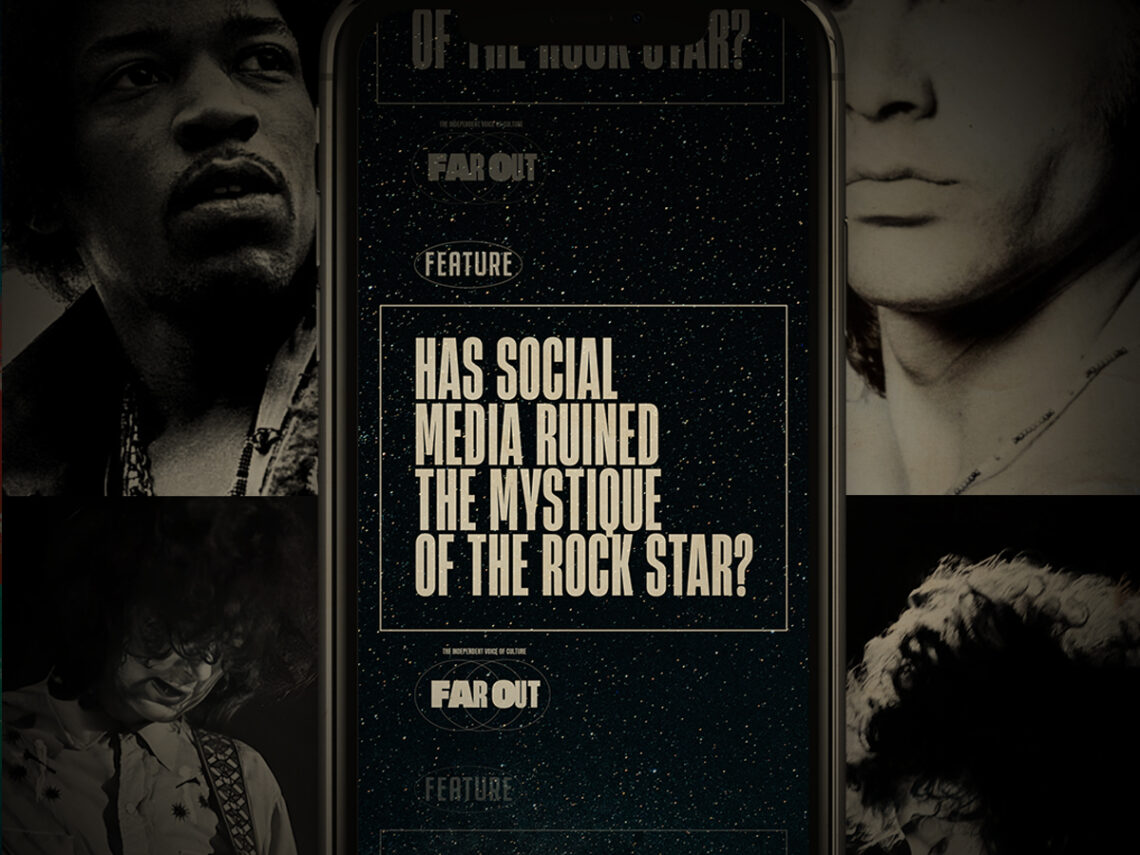
Has social media ruined the mystique of the rock star?

The rock star is a thing of the past. Aesthetic coolness shared by the likes of Bob Dylan, Jimi Hendrix, and Joan Baez is gone, forced to make way for the modern-day cesspit that is being famous on social media.
Social media comes with an array of benefits, both for casual users and artists. As casual users, it allows us to stay connected. I have friends in Australia who I still feel close to, despite them being on the other side of the world, because we stay in touch online. It also allows us to share what we’ve been up to, professionally and personally.
The medium is also an invaluable tool when it comes to being creative. It’s never been easier for small bands and artists to get their music in front of the right people. Where people previously needed budgets, labels and marketing managers in a bid to get their music to the right fans, now they can do it using an algorithm and a hashtag. It’s predominantly a good thing, but it has also changed the way that we view the rockstar and perceive the notion of cool.
It’s no longer the case that artists need to keep up an image. So long as whatever image they use is seen by the masses, it’s a good thing. Social media has brought down barriers between the artist and the consumer, and while many may see that as a positive bridging of the gap, it also nullifies the mystery that used to exist.
There were many who once believed that Led Zeppelin had such musical talent because they had been possessed by the devil. Stories of life on tour circulated, as people traded tales about band members drinking blood and worshipping Satan. While this may all sound fiendish, it added a phenomenal amount to the allure of their music. When people listened to Led Zeppelin, they genuinely believed they were listening to something otherworldly. Equally, when you saw them live, you weren’t just watching a band, you were watching the spawn of the devil, shrouded in smoke and flashing lights, playing music that no other earthly being could ever possibly conjure.
If Led Zeppelin were around these days, that image would be impossible. A social media blog would conduct an interview with them backstage, asking if sausage sandwiches were underrated or overrated, and equally, the band would be pressured to post repeatedly on their stories, showing Robert Plant reading a book about Samurai and John Paul Jones playing chess on his phone. The mystique would be lost, Led Zeppelin would be normal guys, and their gigs would become like every other onstage spectacle: believable.
I’m not saying that the ongoing connection that an artist can have with their fans thanks to social media is a bad thing; all I’m saying is it ruins the illusion of the rockstar because of its transparency. We could never have another Prince or David Bowie because something that made these artists so appealing was their apparent inaccessibility.
Cool is dead, long live the new cool, which consists of ‘ask me anything’ nights, Instagram surveys, TikTok live, and those annoying countdown things in the run-up to new albums. The rockstar has faced multiple shifts in style, tone and genre, and come out on top, but the iPhone proved to be a step too far.

Never Miss A Beat
The Far Out Led Zeppelin Newsletter
All the latest stories about Led Zeppelin from the independent voice of culture.
Straight to your inbox.