


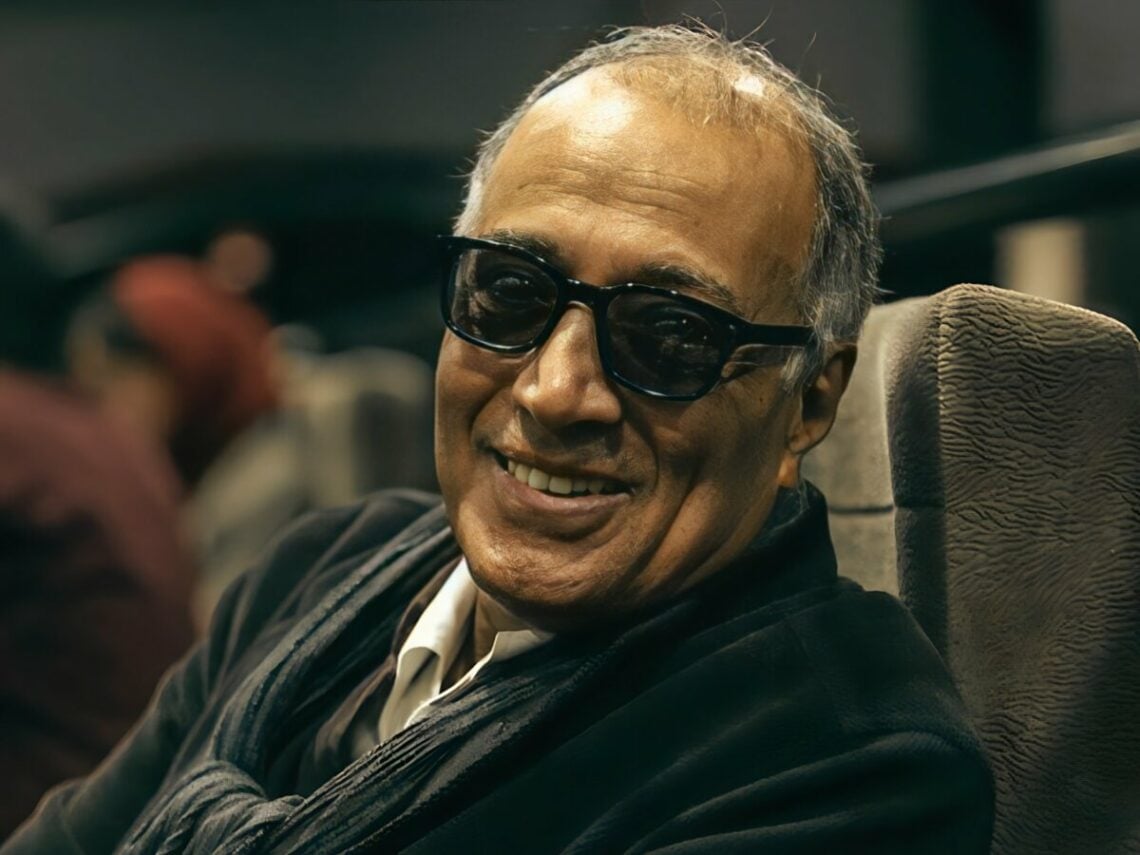
‘This Is Not A Film’: The smuggled Iranian movie that Abbas Kiarostami refused to watch

Abbas Kiarostami is one of cinema’s most influential voices, with a profoundly compassionate body of work that continues to resonate with modern audiences.
The director is celebrated for his slice-of-life dramas, often centring around the perspective of children and highlighting the importance of kindness and community. However, Kiarostami was one of many Iranian directors who was met with resistance to sharing their work, often having his films banned by the state and forced to work with increasing restrictions. Eventually, the director left Iran and made his last two films in France and Japan, seeking more creative freedom in the final years of his life.
However, many directors stayed in Iran (despite the problems this created for them), finding new ways to share their work and maintain a creative identity. But one filmmaker was most inventive in finding new ways to distribute his work, with one particularly ingenious method that makes Kiarostami’s struggles look like a piece of cake.
Jafar Panahi is a fellow filmmaker and friend of Kiarostami who was famously put under house arrest in Tehran after being accused of making “propaganda against the system” due to his open support for the opposing party during Iran’s 2009 election. His punishment was a 20-year-long ban on making movies and six years in prison, a completely catastrophic conviction for any filmmaker. However, during this house arrest, Panahi secretly worked on a film that documented his life while waiting for a decision on his appeal, which was filmed with the help of his friend Mojtaba Mirtahmasb. Miraculously, the film was smuggled into France on a USB stick hidden inside a cake for a last-minute submission to the Cannes Film Festival in 2011. The project was aptly titled This Is Not A Film, a cheeky title that openly baits the authorities who banned him from working.
When asked if he would watch This Is Not A film, Kiarostami explained that he wouldn’t be watching the film for fear that any outward expression of support would land Panahi in further trouble with the authorities. He also added that he hasn’t seen the film because there is nothing to see, saying, “[Panahi] invited me to see it. And I said, ‘If this is not a film, then I don’t have to go. I will come with pleasure the day you make a film.'”
Much like Panahi, many of Kiarostami’s films have been met with similar bans and censorship, with none of them being widely screened in Iran and some not being shared at all, poorly regarded by those in power within the country he shows through such a warm lens. However, when speaking of Panahi’s plight, the director said, “People find their own ways. I have no advice for anyone on how to live. He chooses his own path.”
Kiarostami very much chose his own path, and despite the hurdles thrown in his way, his creative resilience has stood the test of time and enhanced the rebellious gaze within his work, making films that feel revolutionary in their hope and empathy, carving out a better future for other Iranian filmmakers.
