


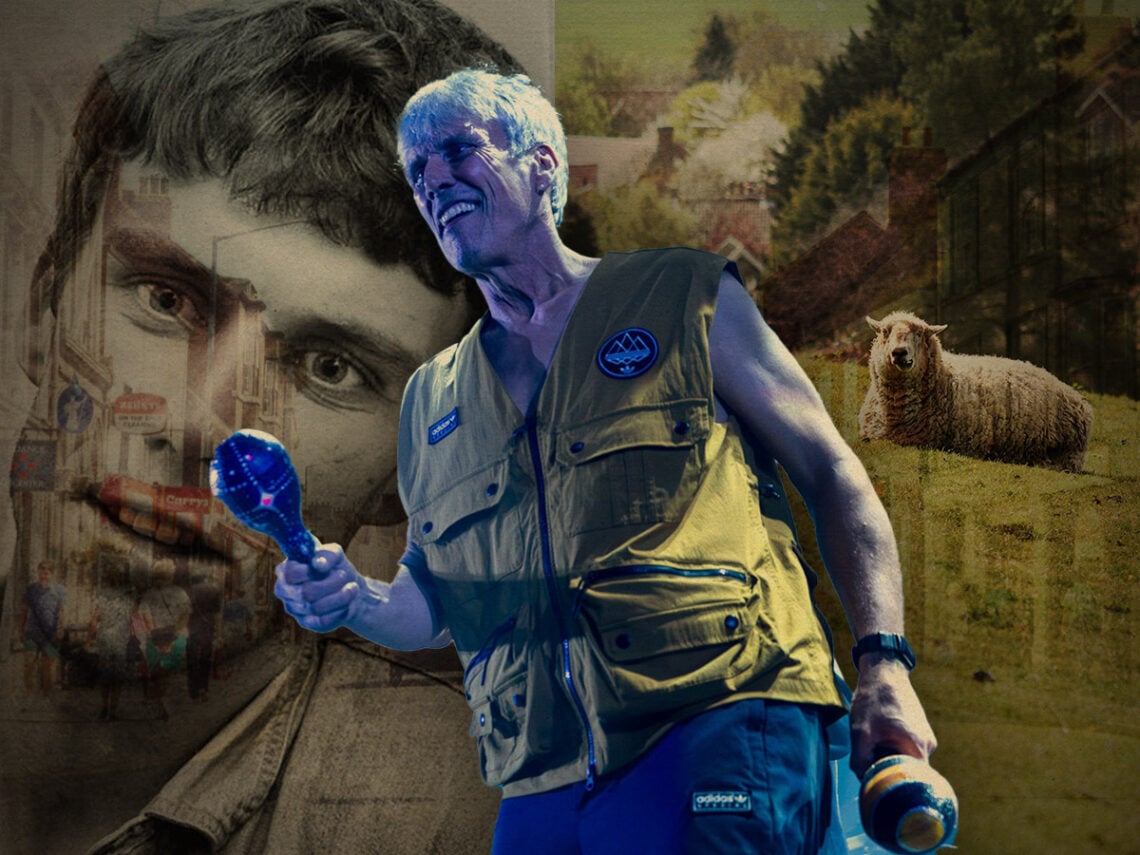
“Driffield is better than the Bahamas”: The small Yorkshire town where the Happy Mondays made history

OK, I’ll admit it; I’ll be among the first to defend the value of a small town when they’re being unfairly criticised by big-city dwellers, but I’ll draw the line at going as far as to say that these mediocre market towns are able to overshadow what a major metropolis has to offer, especially when it comes to art and culture.
As someone who hails from a small town in the southwest of England, and one with very little to offer at that, I can understand why someone who is used to having the world on their doorstep, being a little underwhelmed by the dishevelled shopping centres and rows of hairdressers that adorn the high street in these towns that are mere dots on a map. I’m hardly going to find myself wandering the streets of my current home of Bristol thinking “I’d rather be in Trowbridge”, but at the same time, it’s the place I grew up in, and that alone makes me want to defend it unconditionally.
However, some people form an attachment so strong with these small towns that they’d seemingly go into battle to ensure that people know just how good it is, which is exactly what Happy Mondays dancer Bez chose to do for a small town in East Yorkshire, despite the fact that he was born and raised in the Bolton area of Greater Manchester.
With the band’s second album, Bummed, having been recorded at the Slaughterhouse Studios in Driffield in 1988, the madcap maraca-shaker has plenty of fond memories of the town, and this alone would be a perfectly reasonable sentiment to have towards a place where you found yourself writing a significant part of your history.
But for Bez to go as far as to state that Driffield is better than the Bahamas, whether or not he said it with any degree of irony or not, might be a stretch for some to accept, including those who are strongly affiliated with the town.
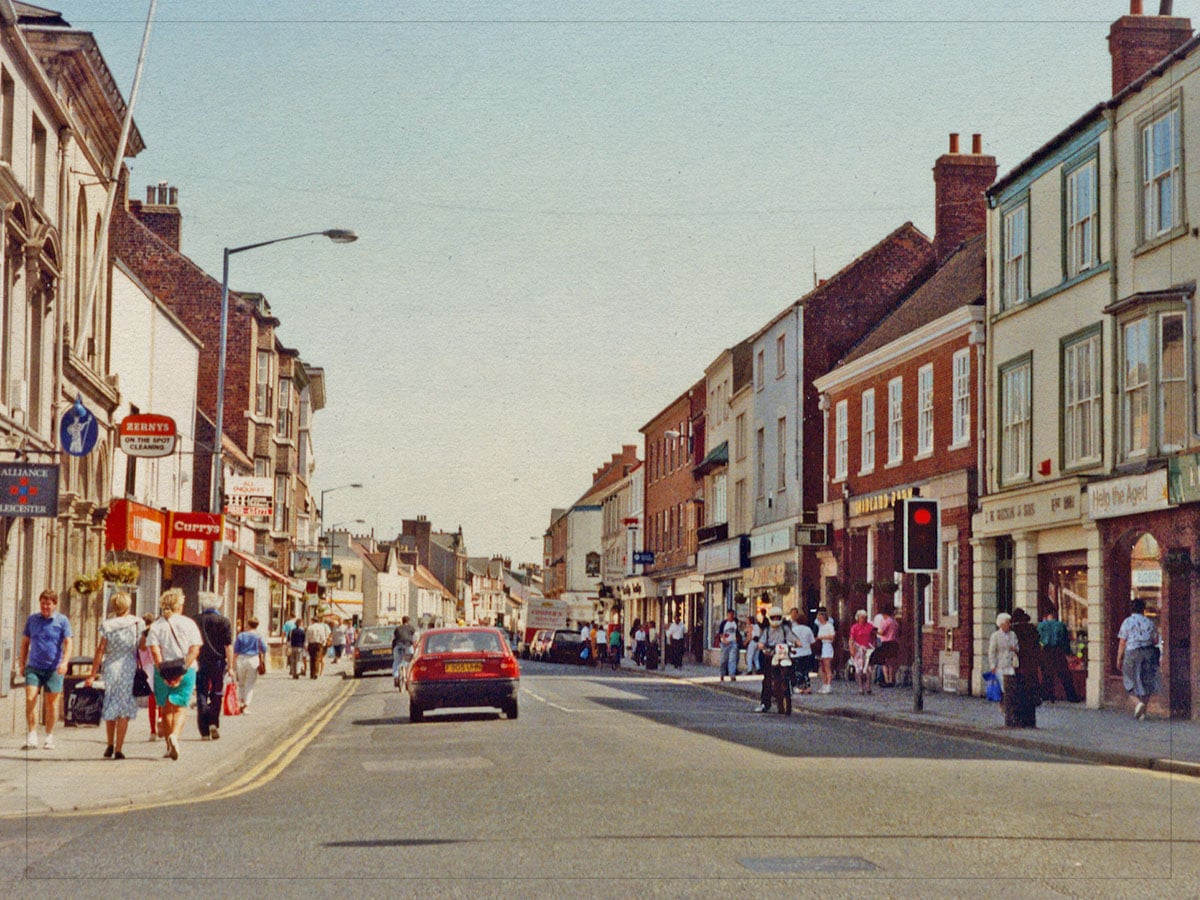
A considerable portion of the Far Out staff hail from East Yorkshire, and I’m reliably informed by this local contingent of my colleagues that Driffield is “run of the mill”, which is far from the sort of line you’d pitch to the local tourism board. Bez’s proclamation, on the other hand, is exactly the kind of slogan you can see being emblazoned on the doors of the town hall in a few centuries’ time, with future citizens recalling how a glorified percussionist once claimed their home had more going for it than the paradise of a Caribbean island.
While he was attending an anti-fracking protest at the nearby Crawberry Hill oil and gas drilling site in 2014, the exact sort of event you’d expect to find an erudite individual like Bez, he recalled his time in Driffield to local news outlet, The Scarborough News, claiming: “I had a great time in Driffield. We recorded one of our greatest albums there. Lots of love to Driffield!”

But why claim it to be better than the Bahamas? Recording for the band’s fourth album took place on the (relatively) nearby island of Barbados, and by all accounts, it was a torrid experience that ended up bankrupting their label, Factory Records, and was largely fuelled by drug-induced bust-ups. Whether or not Bez has any real recollection of where he was or what he was doing during the sessions for Yes Please is a completely different matter, but still, regardless of which Caribbean island or planet he was on at this time, it didn’t quite compare to the humble market town where they’d made an earlier record.
But were the sessions for Bummed any less chaotic than the ones for Yes Please? Arguably not – they were also fuelled by substances and insane stories. The band claimed they went to Driffield to get away from the distractions of big city life, but in reality, they were just bringing the distractions with them to a place where they could make an album at a fraction of the cost.
It’s hardly surprising that very few members of the band have any recollection of how they made the album, and even more of a surprise that anything managed to be done either. Factory Records boss Tony Wilson was supposedly delivering drugs by the crateload for Shaun Ryder and co to indulge upon on a weekly basis, and you can bet that they dedicated much more time towards excessive partying than they did their creative pursuits.
Somewhat controversially, the band opted to bring in producer Martin Hannett, despite his fractious relationship with Wilson that had previously come to a head as a result of the mixing desk whizz accusing Wilson of putting his money into all the wrong places. Hannett notably had a strong partnership with Factory in the early ‘80s, having worked on records by Joy Division and New Order, but when he clocked that Wilson’s cash was being injected into the Haçienda rather than in expensive studio gear, their relationship crumbled.
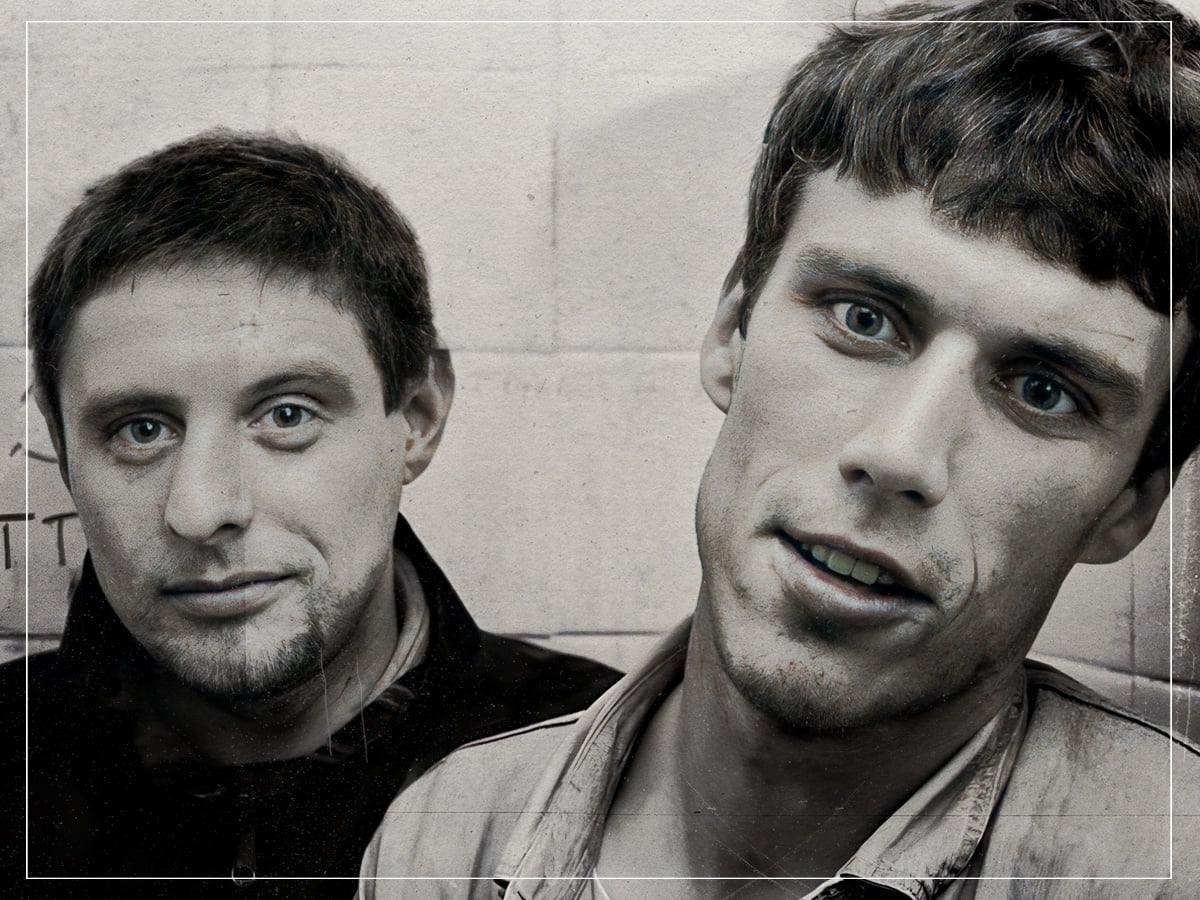
Plus, if the Mondays were fucked up, then so was Hannett. While spending six weeks dossing around and occasionally dragging themselves out of the room they’d specifically assigned for partying to lay down tracks, they were ensuring their producer was being plied with psychedelics so he could be on their level. Yet, the house music the band were partying to on a constant basis was what they were attempting to recreate in the studio, which the band confessed upon reflection bore little resemblance to what they thought they’d been hearing.
The band’s ecstasy-driven shenanigans weren’t just confined to being within the four walls of the Slaughterhouse, and they ended up troubling not just the townsfolk but a local army regiment. According to the band’s own account, they chose to invite a bunch of friends from Manchester over for a night on the tiles, and despite the initial dynamic between a bunch of eccied-up kids and war-mongers who had just returned from post in Northern Ireland being a little icy, the sudden exchange of pills managed to erase all hostility from the situation.
The party was crazed and entertaining in Driffield, and conversely, the party in Barbados was not. The atmosphere surrounding the creation of both records couldn’t have been more opposing in their vibes, and it’s understandable why Bez still reflects upon his time with the band in East Yorkshire as being one of the best they ever had.
As stunning as the Caribbean is, Bez maintained when questioned at the anti-fracking demonstration that he was nonplussed by the white sands and scorching heat. “It weren’t quite Driffield though, I tell yer!” Bez proclaimed to reporters. Given that you won’t find a ‘Pig of the Year’ contest in the Bahamas, or Barbados for that matter, he might have a point.
