


Slash’s 10 greatest riffs ever

I’ve always been a big fan of the debate “Who is the greatest guitarist of all time?” Mainly because once you start having it, it won’t be long until you’re put onto a great musician you might not have been aware of prior. The subjectivity of music is what makes it beautiful, and yet, while these debates rage on, there is no escaping the fact that some universal names are always going to be brought up, and one of them will undoubtedly be Slash.
He’s a pretty difficult man to ignore. The hair, hat, sunglasses, cigarette hanging out of the corner of the mouth, if you asked ChatGPT to make you an image of a rockstar, chances are something like Slash would come up. However, while he may suit the caricature of rock ‘n’ roller, even in a world where image is obsolete, he would have fame in the world of rock because of his outstanding guitar work.
At 60 years old, Slash has delivered some of the most exciting guitar work to ever reverberate off the strings of a Gibson. He is a versatile musician, someone who has always been happy to change his playing style depending on the song being written, but who also injects venom and excitement into everything that he does. Whether it’s in Guns N’ Roses, his solo career, or the bands he played in around those two milestones, Slash’s career is littered with killer music.
One of the things he’s most famed for is his ability to put together a great riff. You can guarantee, no matter what stage in his career you are listening to, the introductions to those songs are going to be something that will stay with you for the rest of the day. Choosing his very best is tricky, so I’ve compiled a list of ten. These songs span various points in his career, but I believe they perfectly highlight why we are so quick to concede that Slash is one of the best to ever do it.
Slash’s greatest riffs of all time:
‘Welcome To The Jungle’
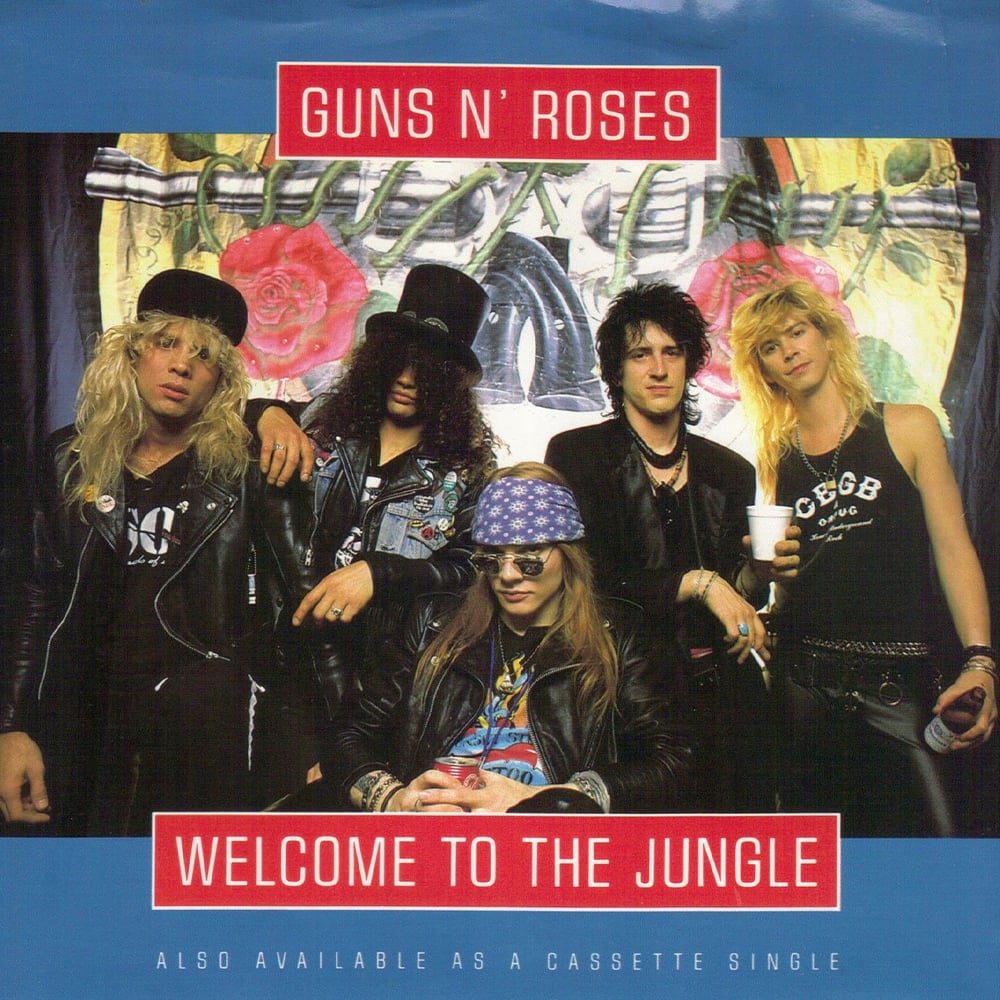
There was a debate on BBC Radio 6 recently about what the greatest introduction to a song is, and the fact that this track wasn’t in the running is an absolute disgrace. I have never had goosebumps more in my life than when I saw Guns N’ Roses on their Not In This Lifetime tour, and they played this song. They opened with a few to ease the crowd in, then as the lights went down, Axl Rose asked, “D’you know where you are?! You’re in the jungle Chicago!”
That alone is enough to give the most stubborn of listeners chills, but the fact that it comes over the oscillating 4-0 on G and B, the most iconic introduction to a rock song ever, makes for a recipe of musical perfection. As if that wasn’t enough, it then builds into one of the hardest A minors ever played on an electric guitar. Guns N’ Roses really issued a statement of intent by putting this as the first song on Appetite For Destruction, and you best believe the world stood to attention and listened.
‘Double Talkin’ Jive’
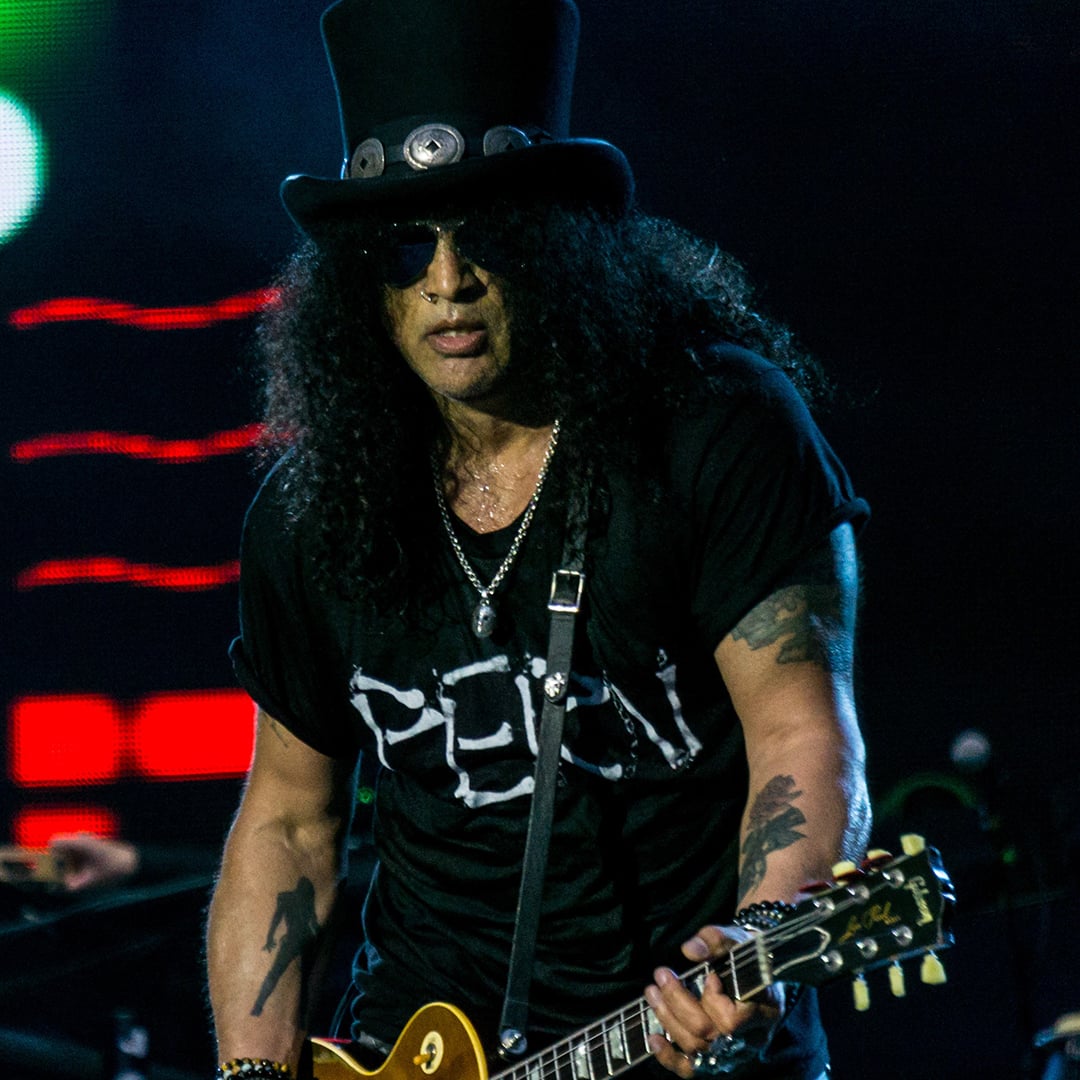
How do you follow a song like ‘Welcome To The Jungle’? Well, if you’re a cheat like me, you do it the same way that the band did on that fateful night in Chicago: with ‘Double Talkin’ Jive’. The crowd had barely put their hands together to clap them before the drum beat for this iconic track kicked in.
While it may not be Guns N’ Roses’ most adventurous song, the riff embodies what Slash does best: deliver something punchy, aggressive and thrashy, in a way that doesn’t lose sight of melody. Every note blends into one another thanks to the speedy way he plays and the layers of distortion, yet you can still pick out the rhythm of the riff easily. It’s a great way to make rock music, filled with venom but not lacking in soul. These are two of the things that Slash delivers the best.
‘Mr Brownstone’
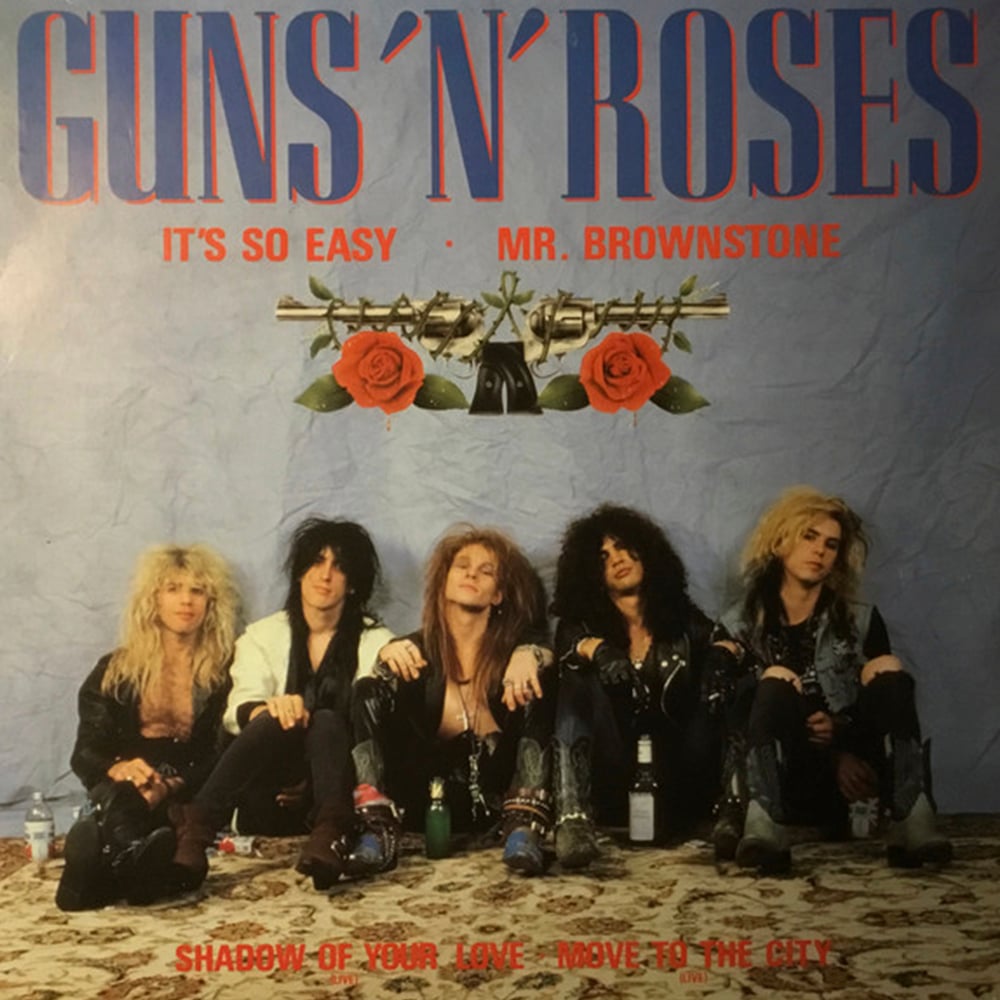
This is the last entry from Appetite For Destruction. While we realistically could just list that entire album, in his 60 years on this spinning rock, Slash has delivered a plethora of riffs, so I’ll need to look outside of one record at some point. However, before I do, let’s examine how well Slash is able to honour his influences while still delivering something unique. The best way to do this is by listening to his killer riff on ‘Mr Brownstone’.
Slash was always open about the fact that he was a big fan of Jimi Hendrix, and that comes across very well in this track. Firstly, the way the song starts with him dragging his pick up and down the strings to a rhythm is reminiscent of ‘Voodoo Child’ and how Hendrix started that song in the same way. Equally, the riff which follows is made up of just playing variations on a pentatonic scale, something which Hendrix would do frequently when writing.
The reason why this is one of Slash’s best riffs is because it shows how much respect he has for rock and for those who paved the way for him. It also shows what he learnt from said musicians. But, most importantly, it shows he can still honour those two things while making a song that sounds unequivocally his. This doesn’t sound like a Hendrix song; rather, he is wearing his hero’s influence on his sleeve.
‘World On Fire’

You will get a lot of musicians who say that Slash peaked in Guns N’ Roses, but I would argue this isn’t the case. Granted, some of the best songs he was ever involved in making came as a result of Guns N’ Roses, but as a guitarist, he still had a lot to offer well after the band disbanded. We hear that a great deal in his solo work with Myles Kennedy, specifically in the track ‘World on Fire’.
There is no analysis here, no breaking down the scales or his influence, merely admiration for what is an exceptionally hard rock track. Slash pulls no punches with this song, which preaches the apocalypse, and the result is him showing that he never lost his edge, even decades after the band that helped him rise to fame broke up.
‘By The Sword’
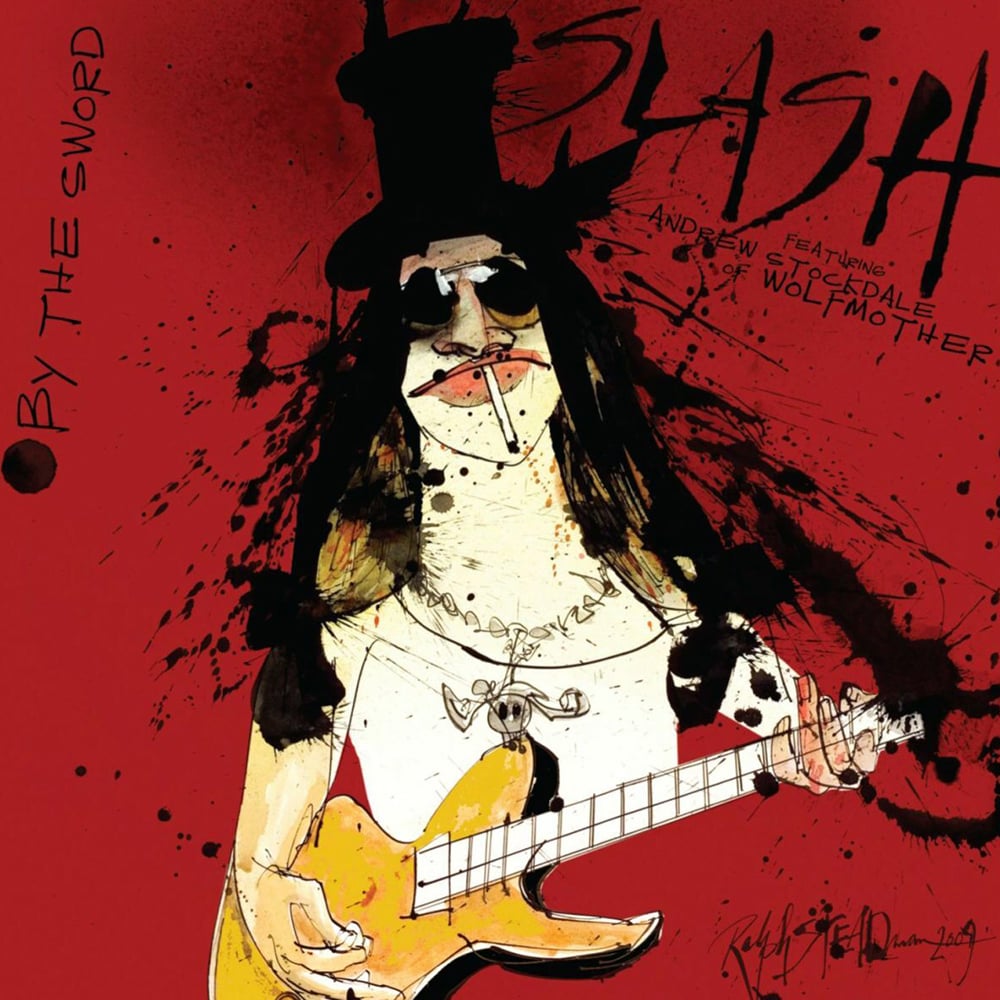
When Slash announced that he was making a self-titled album working with artists from a range of genres, a lot of people were sceptical. Sure, he had proven he could play multiple styles throughout his time with Guns N’ Roses, but there was still cohesion because he was with the same band members. This album was a lot more ambitious. However, the first song he released from this album was ‘By The Sword’, and it showed any doubters just how much range Slash truly had.
The riff isn’t too complicated. All you need is an open string and the third and fifth frets on your E and A, and you’re ready to play. However, I love it so much because it shows how effectively Slash can adapt his playing style depending on who he’s working with. Andrew Stockdale from Wolfmother was singing on this song, and the combination of heavy rock with a country-western style twang suited his voice perfectly.
‘You’re Crazy’
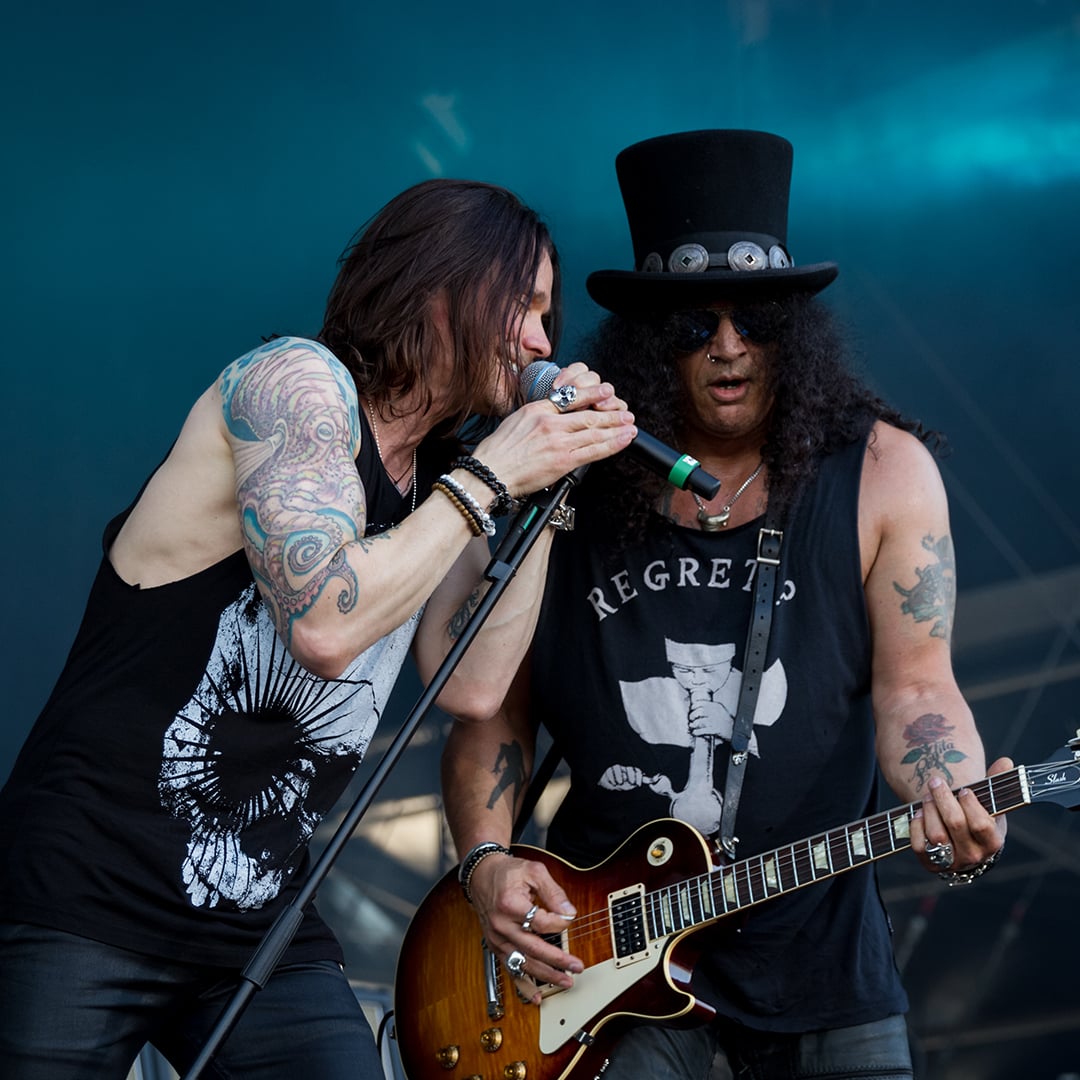
Okay, I lied, this is the last entry from Appetite For Destruction. I’ll be honest with you, I’m listening to a Slash compilation as I write this, and this song came on shuffle. It’s just too good to miss off. If you want even more transparency, I ditched the track ‘She Builds Quick Machines’ in favour of it.
I mean, talk about nailing a brief. The band are working on a song about a crazy ex-girlfriend, and Slash manages to come up with the most haphazard, messy, and yet still listenable riff that’s ever bounced off a six-string. The song is a head rush from start to finish, one where Slash doesn’t give you time to breathe in the barrage of dynamic rock. How could I hear this and not include it?
‘Slither’
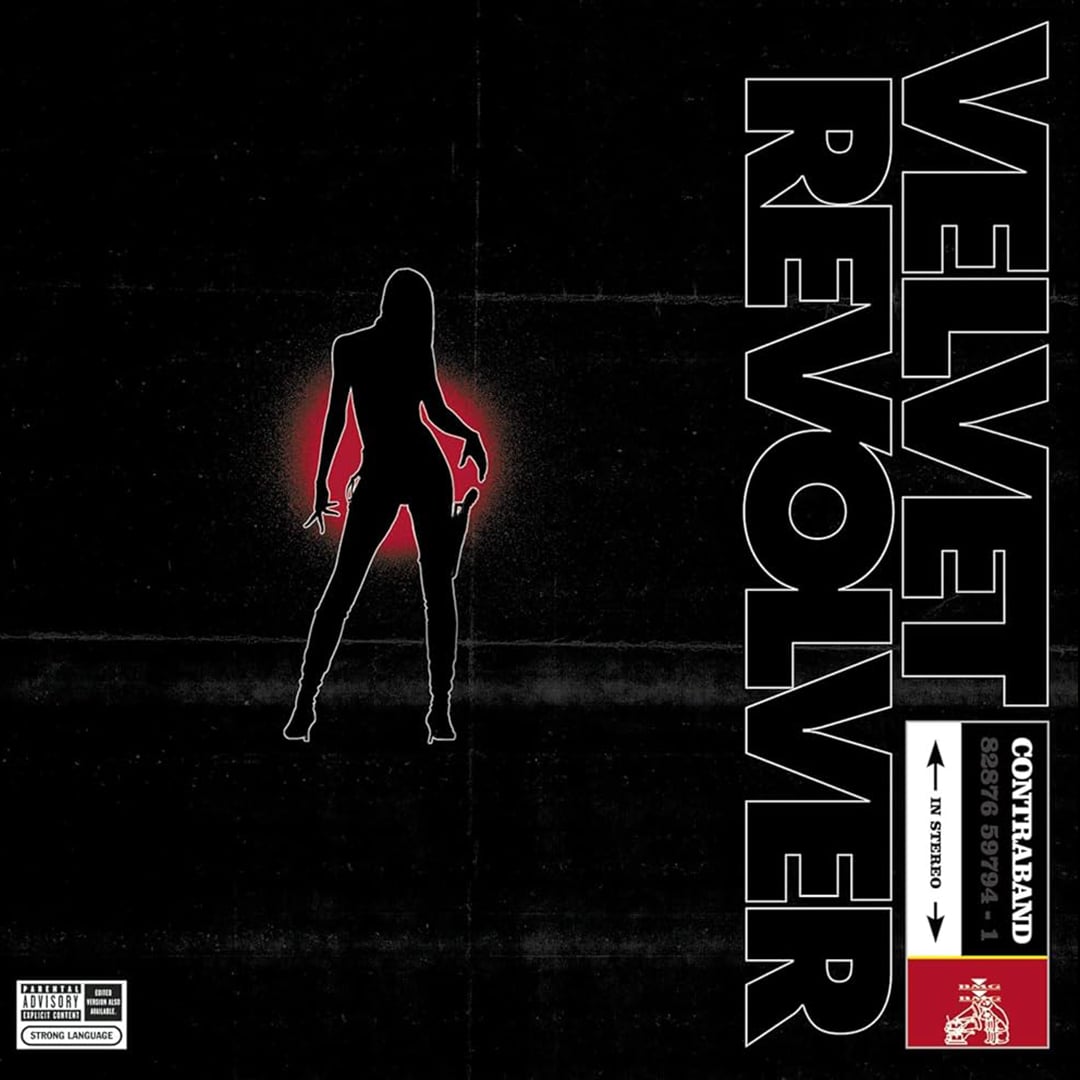
While ‘She Builds Quick Machines’ might have been benched, there was no way I was getting rid of this Velvet Revolver track. I think a lot of the music Slash did for Velvet Revolver unfairly flies under the radar; their sound was solid, and the band seemed to work well together. If we’re going to talk about their peak, it has to be this song. I’d love to give you a more underground offering, but sometimes a classic is a classic for a reason.
The whole song works incredibly well, but the moment you know you’re about to be privy to something special is when that riff kicks in. After a moment of eerie buildup, we have the count in, and Slash is allowed to let loose. It’s a dance down the fret board, notes broken up with sporadic open hits of E and A, and the whole thing is chaotic and gorgeous. I know we’re not talking about guitar solos here, but Slash’s wah-infused 45-second ‘Slither’ shredathon is one of his best.
‘You Could Be Mine’
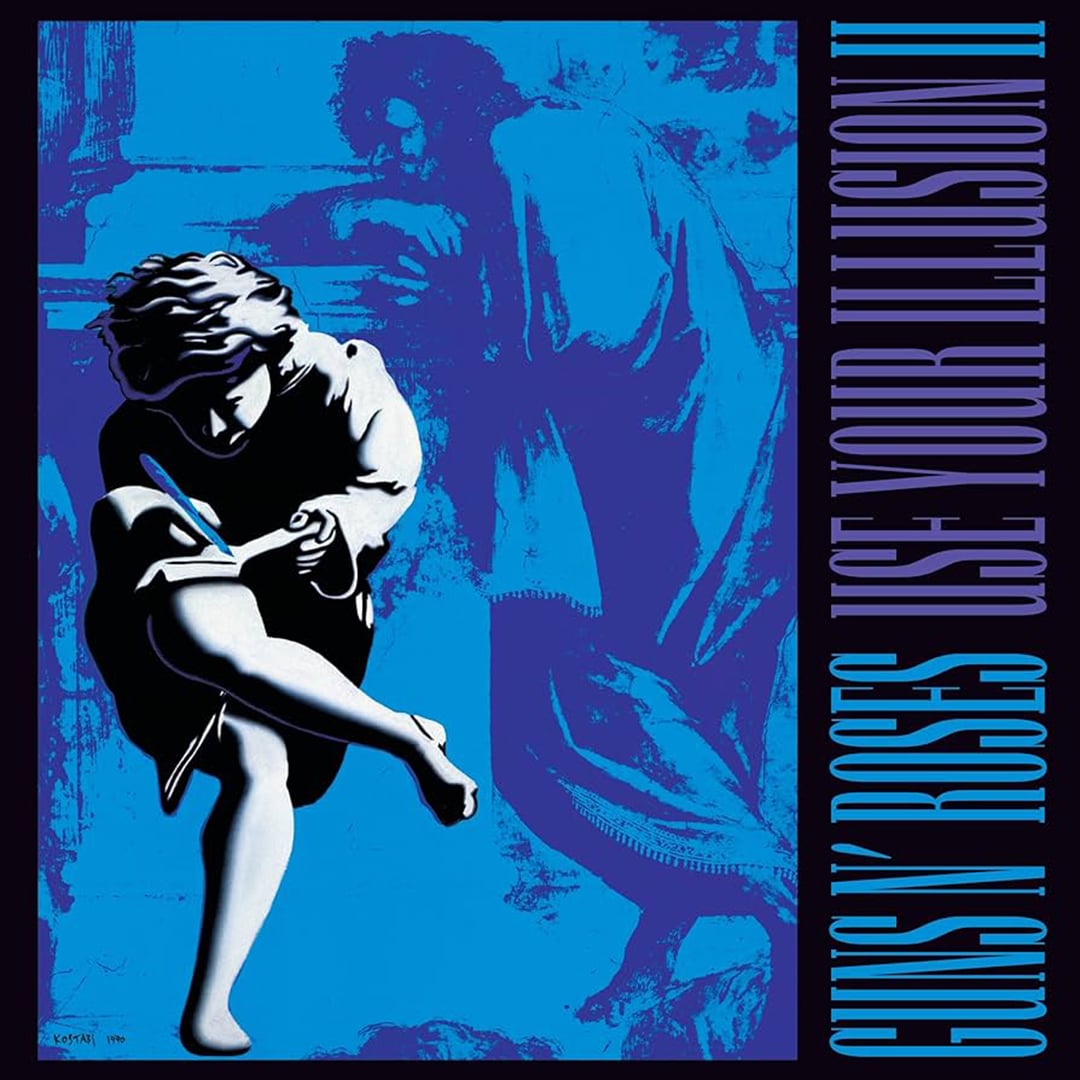
We start a lot higher up the fretboard for this classic. Slash gives us some bent harmonics on the 12th and 14th fret to help ease the listener in, after which, singular notes, one, two, three, four, provide the perfect introduction for what is an unrelenting and unapologetic Guns N’ Roses track.
The introduction is already something special, but the riff that Slash plays to undercut Axl Rose’s vocals takes it to another level. It’s simple yet effective, easy to bang your head to, but also not as relentless as some of Slash’s messier offerings (e.g. ‘You’re Crazy’).
‘Anastasia’
This list focuses quite heavily on some of Slash’s bluesier riffs, but he was also great at putting together introductions to songs that basically verged on solos. Yes, the most obvious representation of this style of playing is ‘Sweet Child O’ Mine’, and I was tempted to include it, but in the hope of introducing some more casual listeners to this underrated gem of a Slash song, it made sense to use ‘Anastasia’ instead.
There’s too much happening here for me to effectively write about it. The moment Slash has moved from one note to the next, I’ve hardly had time to get a word out. Writing about this riff is like asking something to put white noise into sentences. All you need to know is it’s melodic, layered and one of the most infectious pieces of music Slash ever released. If you haven’t already, go listen to it.
‘Nothing To Say’
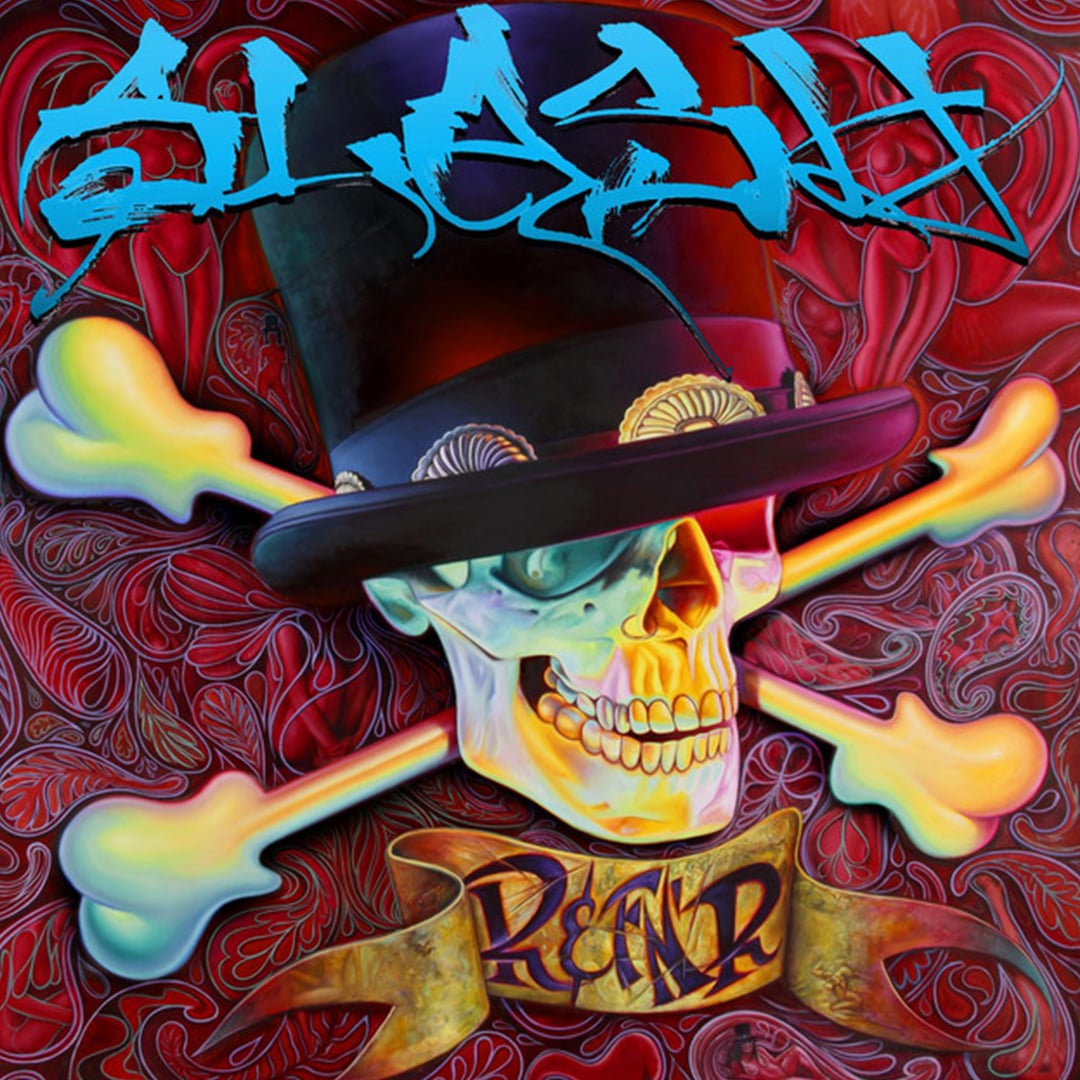
It’s always nice to be reminded that Slash could happily play metal music and still be right at home. Another song that appeared on his collaborative album, he worked with M Shadows, the lead singer of Avenged Sevenfold, to create what wouldn’t sound out of place on some of the heaviest of bands’ records.
Slash is once again relentless as he puts this riff together. The E string is tuned down half a step, which helps add to the doomy nature of the song. By playing that open E along with the A and D in the creation of this riff, he gives his usual Slash sound a more aggressive feel, and it works well with Shadows’ voice. Once again, a great example of the guitarist’s excellent versatility.
