


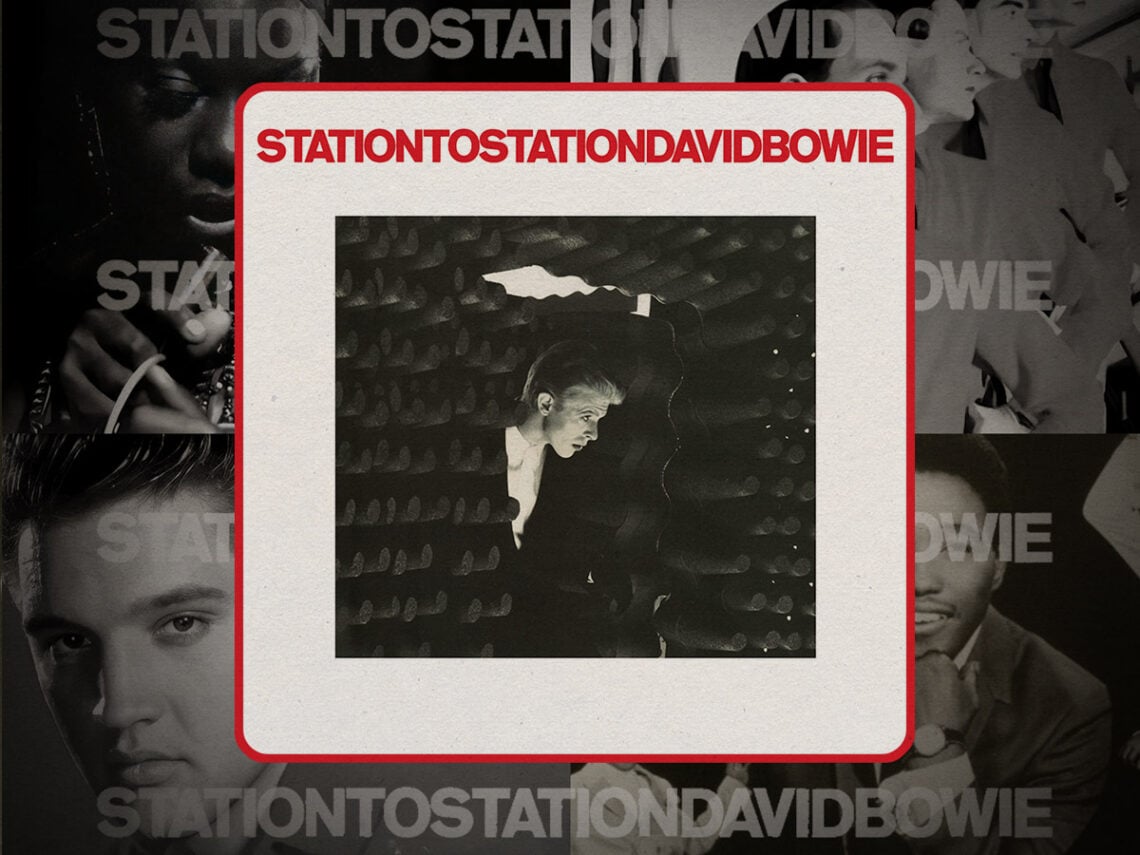
Six artists who inspired David Bowie’s ‘Station to Station’

It’s now the 50th anniversary of David Bowie’s Station to Station, an essential entry in the Cracked Actor’s golden 1970s run, and teeming with transitional energy.
Bowie was always an artistic bricolage. Even before embracing T Rex’s pop glitter for his Martian messiah alter-ego, Bowie wore his influences on his sleeve. A bit of Iggy Pop’s ferality, The Velvet Underground’s avant-garde decadence, Bob Dylan’s literary depth, all swirled around the restless young artist’s hungry creative trajectory back when he was regular ol’ David Jones.
His tenth LP was nothing new. An assemblage of old loves and new curiosities powered Station to Station’s visionary sound, collaging, as Bowie always did, a strange art student’s scrapbook when peering underneath its eerie The Man Who Fell to Earth cover and beguilingly concise six-track repertoire.
It’s a miracle the record was even made. Lost in a ruinous blitz of cocaine and fraying sanity, Bowie candidly confessed to remembering little of its production. Such chemical excesses would clash queasily with his conceptual indulgences, playing the role of icy fascist aristocrat, The Thin White Duke, a little too eagerly with grubby namechecks of Adolf Hitler to the day’s press.
For all the mythos and lore that surround Station to Station, its time in place is perhaps the most intriguing. Despite the drugs, Bowie’s cultural radar was still firing sharply as ever, able to sense the whiffs of the new wave as he began to spot classic rock’s growing absurdity from a mile off, a self-parody he swerved past with the crucial help of Station to Station’s proto-punk flair.
While plenty will, and should, be written on Bowie’s mid-1970s marvel, let’s take a sideways look at Station to Station and explore the artists who hover all over Bowie’s alien funk gem.
Six artists who inspired David Bowie’s Station to Station:
Elvis Presley

Had the whole rockstar gig never happened, it’s likely Bowie would have found success as a songwriter for hire. Famously, Herman’s Hermits singer Peter Noone cut the first version of ‘Oh! You Pretty Things’, Mott the Hoople was gifted their defining ‘All the Young Dudes’ glam anthem, and Bowie’s credits pepper Iggy Pop’s immortal The Idiot and Lust for Life LP twofer.
Not long after Young Americans, Bowie reputedly penned ‘Golden Years’ for The King during his Las Vegas pomp. While a far cry from the rock ‘n’ roll icon 20 years previously, Bowie’s fascination with music’s tapestry allegedly pushed him to offer ‘Golden Years’ to Elvis Presley; however, after some back and forth between Bowie and Presley’s manager, Colonel Tom Parker, the song stayed in Bowie’s hands.
Legend has it that the King sent Bowie a note reading “All the best, and have a great tour,” treasured for the rest of his life.
Cliff Nobles and Company
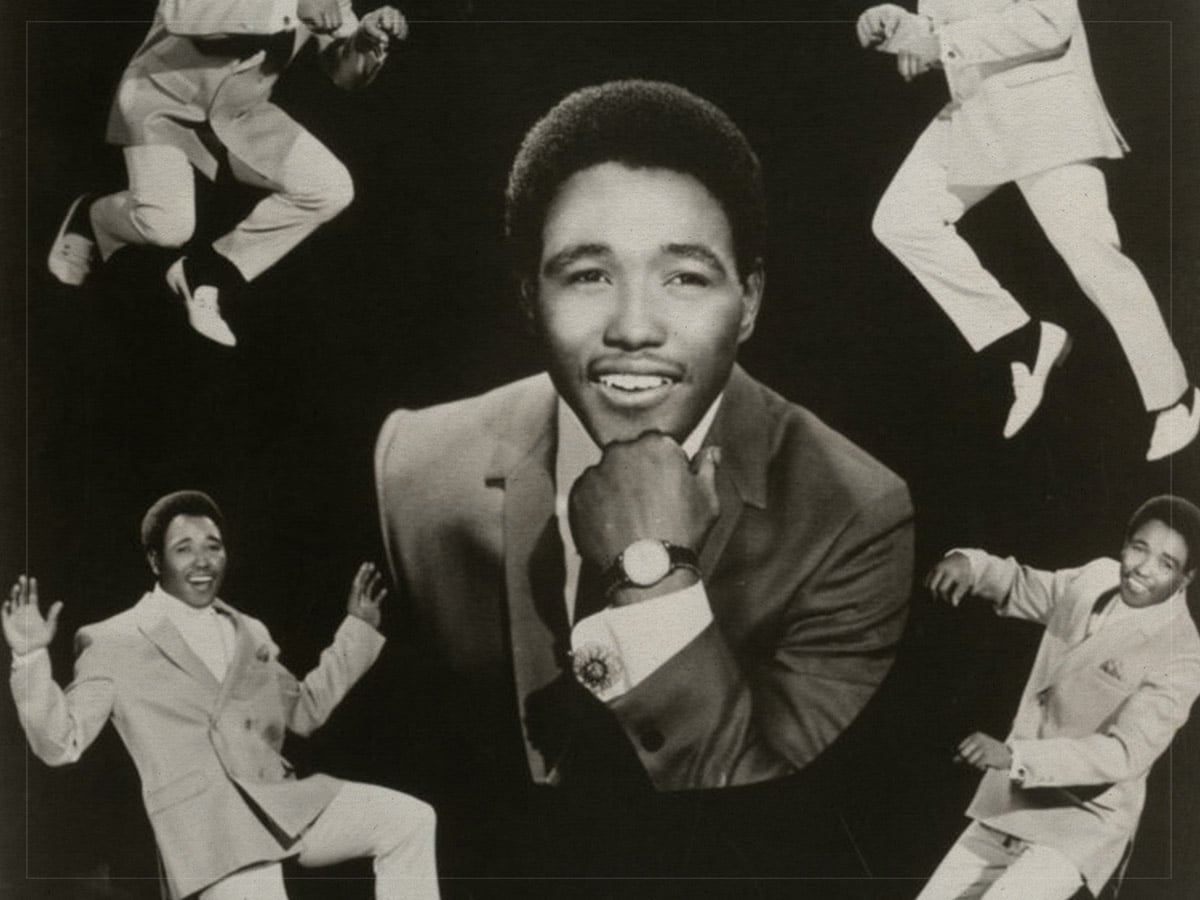
Despite an unerring antenna for the creative vanguard and a forward-facing pop vision, Bowie was always connected to the scores of his pre-fame youth, from his festive TV hangouts with Bing Crosby, songwriting odes to Bob Dylan on Hunky Dory, or ‘Drive-In Saturday’s affectionate wallow in 1950s doo-wop pastiche.
Lots is going on in Station to Station’s lead single. Amid its fizzing frissons of krautrock, disco, and soul, buried in ‘Golden Years’ guitar riff is a dash of Cliff Nobles and Company’s ‘The Horse’. The B-side to 1968’s ‘Love Is All Right’, which is in fact the same song but featuring the namesake singer’s caramel vocals, Bowie’s hopeless connection to yesteryear can’t be better illustrated than the sprightly Philly soul outfit’s infectious strut.
Ohio Players
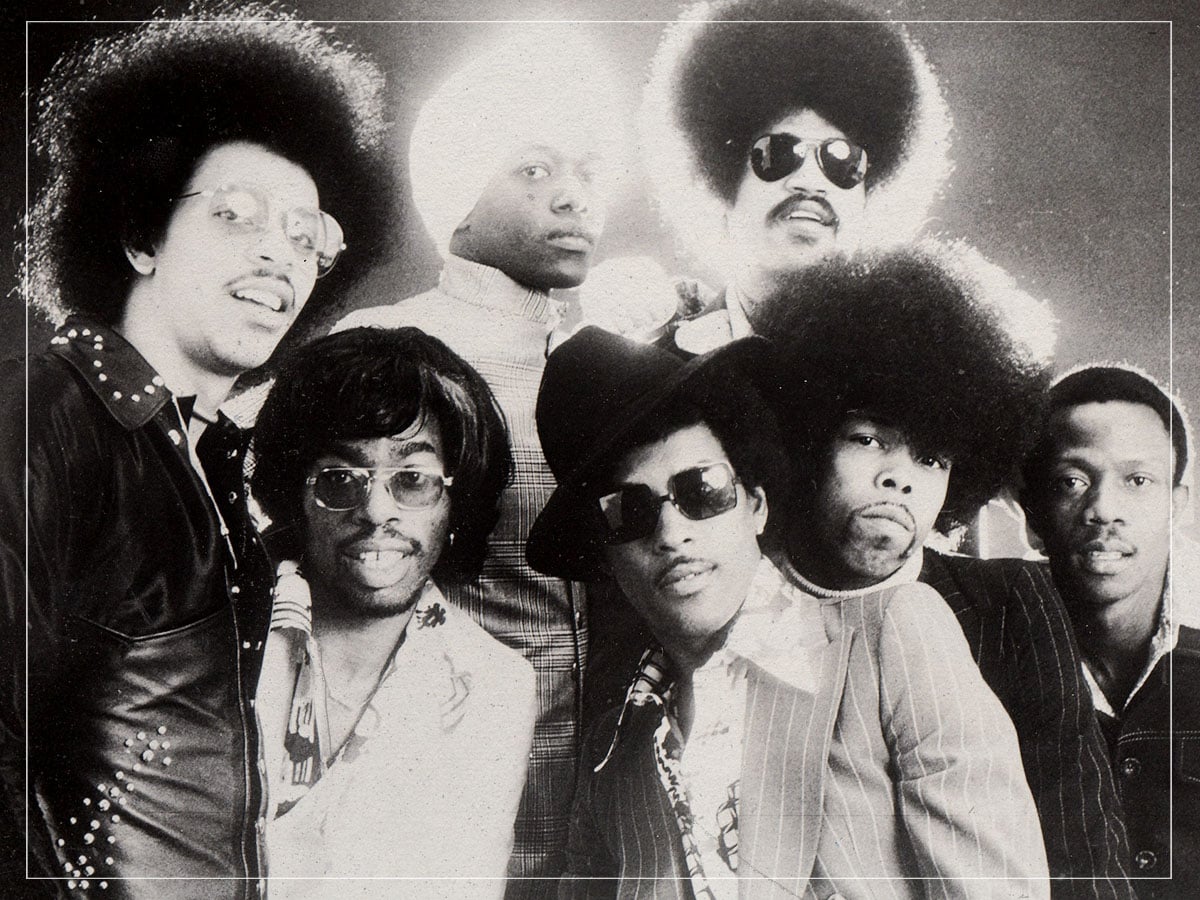
Station to Station sits in Bowie’s glittering 1970s oeuvre as a fundamentally pivotal record, when the Cracked Actor wavers strangely in between Young Americans’ plastic soul and the electronic beckons that would pull him to Berlin. While his spirit was drifting toward the divided city, his feet were still firmly planted in the US of A, however.
The funk and soul that coloured his prior LP offering hadn’t gone away, as shining on the electric ‘Golden Years’ and ‘Sway’s street groove. Any of Philadelphia’s funk and soul groups could be selected as a formative Station to Station shaper, but several states north, Ohio Players’ brew of rock and Motown glimmer cascades all over The Thin White Duke as much as it did his Soulboy the previous year.
Nina Simone

While Bowie boasts one of the finest songbooks of rock and pop, his covers often miss the mark. For whatever reason, his Pin Ups covers album just never gleans any moment all that interesting, and the stab at The Rolling Stones’ ‘Let’s Spend the Night Together’ flumps an otherwise extraordinary Aladdin Sane.
Yet, old-world magic is captured on ‘Wild is the Wind’. Originally recorded by Johnny Mathis, it’s Nina Simone’s aching rendition that, for a long time, stood as the definitive version. Meeting the lauded soul singer in 1975, Bowie looked to tackle the old film theme himself, too. For all the artistic indulgences in the Thin White Duke’s glacial skulk, no amount of vampiric brood or mountainous cocaine consumption could deter Bowe from wrestling a deeply moving take of ‘Wild is the Wind’s pained romance.
Neu!
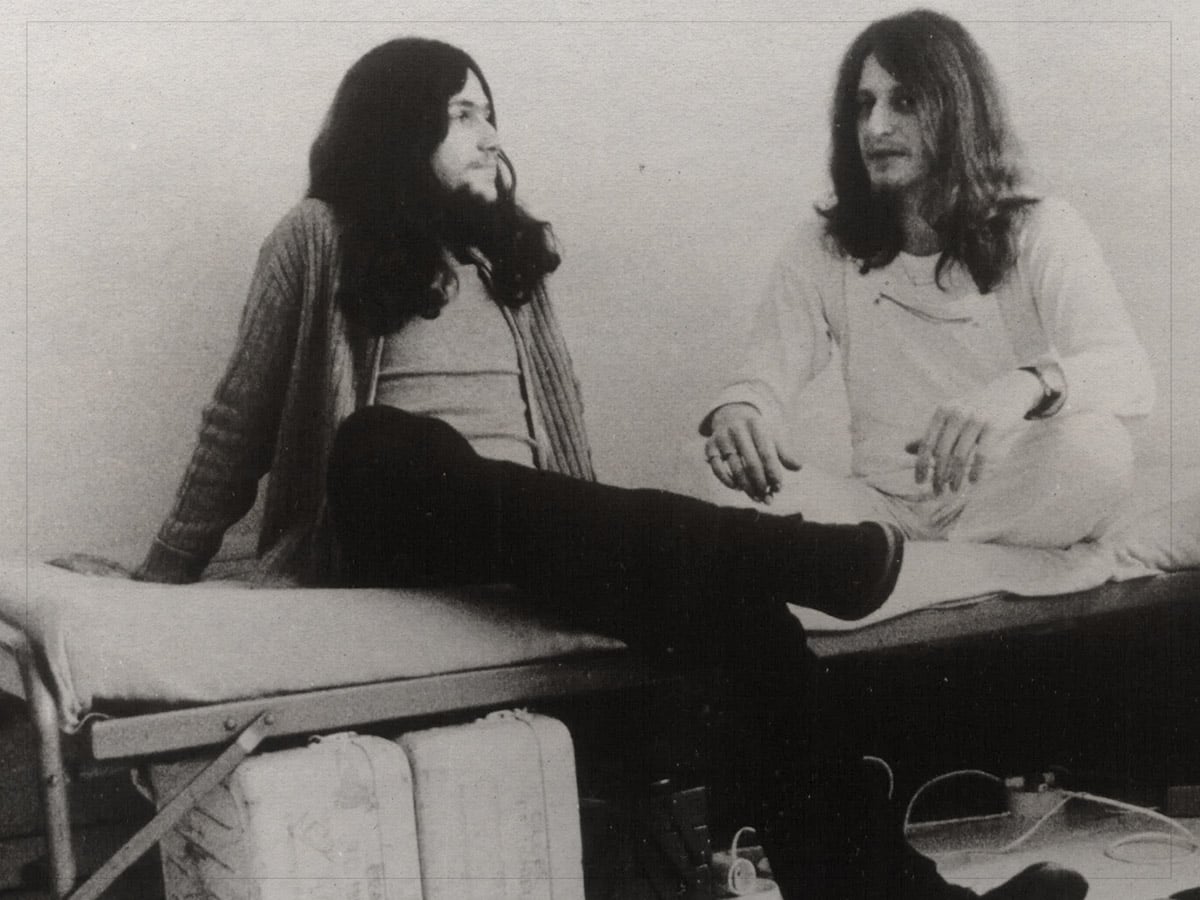
Station to Station’s thrilling title track demanded a composition suitable vast in scope for its weighty themes. Referencing the 14 Stations of the Cross in the Catholic tradition, as well as some Kabbalistic dabbling with its “Keter to Malkuth” line, the chugging prog that opens the album was paying close attention to Neu!’s krautrock conjurings in West Germany’s Düsseldorf.
Sharing cities with another electronic heavyweight of the era and boasting membership early on, Klaus Dinger and Michael Rother jumped ship to form their own Neu!. Immersed in motorik propulsion and driving electronic pieces focused on ambience and travel, the pair’s terse rhythmic journeys sonically guide ‘Station to Station’s ten-minute odyssey, the cut’s opening synth hiss lifted straight from any of Neu!’s classic 1970s LP trilogy.
Kraftwerk

Amid LA’s gutter glitz, fast becoming a toxic locale for the coke-fried singer, Bowie looked across the Atlantic toward the European continent, enamoured with the new sounds emitted from Germany’s music underground. Owing nothing to America’s blues spine and matching the Thin White Duke’s frigid disconnect, the electronic avant-pop scored by Düsseldorf’s Kraftwerk provided a fundamental pointer for Bowie’s restless intuitions.
While playing a greater role in shaping the subsequent ‘Berlin Trilogy’, it’s Station to Station that first attempts to harness the synthesizer beyond some Moog line within the conventional band set-up. Here, the eerie analogue tonalities that coated the record eagerly leaned into its unnatural chill, perfectly illustrating the hollow aristocrat’s alien aloofness. Indeed, Bowie’s namechecking of Kraftwerk at the time prompted the lyrical nod to him and Iggy Pop in ‘Trans-Europe Express’ in 1977.
