


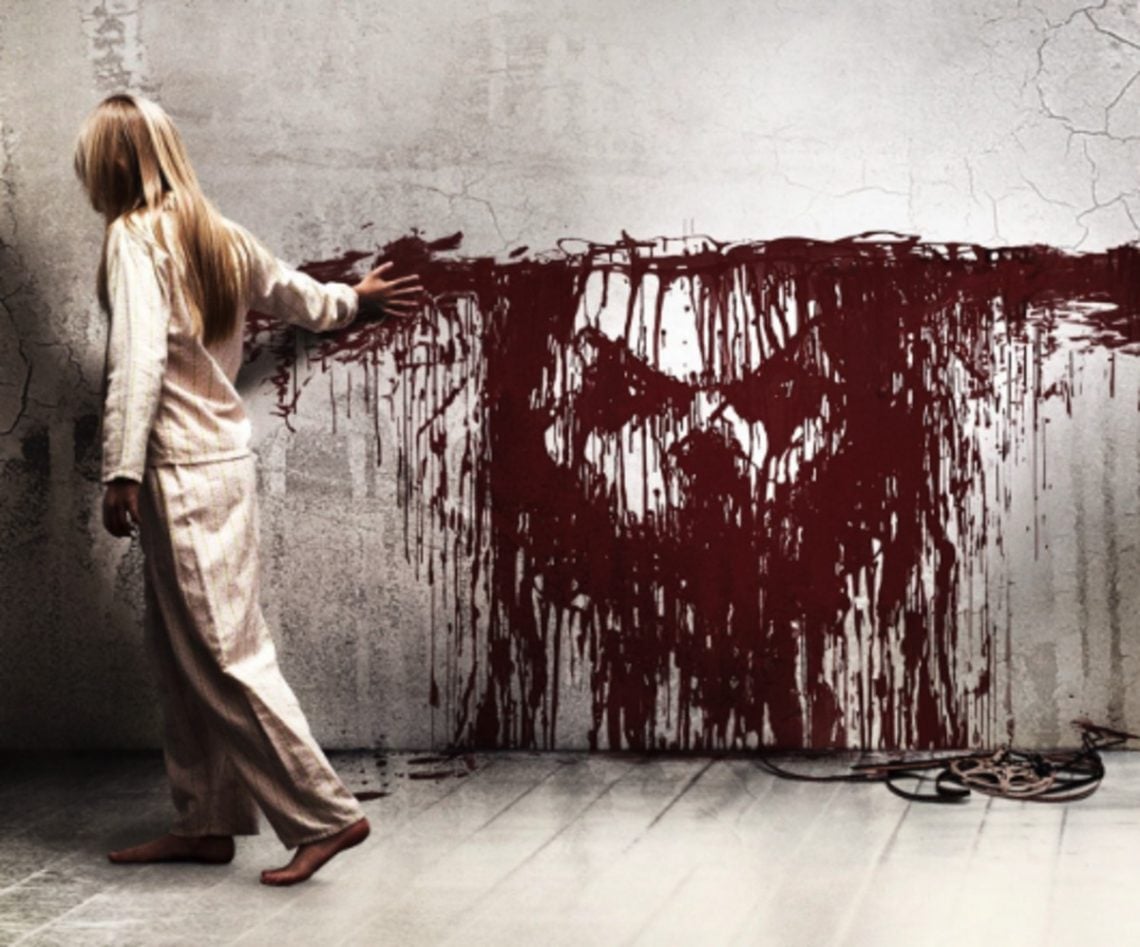
10 years of ‘Sinister’: Scott Derrickson’s menacing gothic horror

It wasn’t long ago that the term ‘elevated horror’ was unknown to genre fans and filmmakers, with the phrase only coming about following the release of Jordan Peele’s Get Out and Ari Aster’s Hereditary in 2017 and 2018. Before the establishment of the snobby statement, which ignores the history of the genre as an excavating analysis of contemporary fears, horror movies of the early 21st century were cut from more transparent material, focusing more on dragging the audience through a terrifying nightmare rather than pursuing a more profound psychological message.
Whilst such aforementioned movies are undisputed champions of contemporary horror, they differ from the more joyful thrills of the modern genre, with Wes Craven’s Freddy Krueger, James Wan’s red-faced demon or Scott Derrickson’s Buhguul undoubtedly feeling out of place in such the more authentic psychological works of Aster or Peele. Such paranormal creatures began to be phased out of the genre, with Derrickson’s Sinister being one of the last great horrors of its kind.
Telling the story of a horror writer who moves his unwitting family into a house that was recently a murder scene, Derrickson’s playful piece of horror plays off like a Stephen King story spiked with the grisly punk aesthetic of Clive Barker’s Hellraiser. Exploring his new home, the writer, Ellison (Ethan Hawke), discovers an old Super 8 projector along with a set of tapes that span decades, marked ‘Pool Party (1966)’, ‘BBQ (1979)’ and ‘House Painting (2012)’.
Where many of us would burn the creepy, mould-ridden tapes, as a horror novelist, Ellison is compelled to view each one. Predictably, as he sits down and swills a shallow whiskey, Ellison is ‘treated’ to several corrupted tapes that depict the sinister murders of multiple families, with the writer unsure whether to treat the films as inspiration for his next novel or evidence of a grave crime.
Conjured from a dark nightmare extracted after viewing Hideo Nakata’s iconic paranoia piece Ringu, co-writer C. Robert Cargill dreamt up the concept for the 2012 film, with his nighttime hallucination becoming the inspiration for the discovery of insidious tapes. Inspired by stylistic European rock music, both Cargill and Derrickson used the distinctive sound from bands of the Norwegian black metal scene, including Ulver and Aghast, to craft their uniquely dread-filled horror.
Sinister’s concept is strong, but it isn’t totally unlike the paranormal terrors of the past; instead, it is in the execution that the 2012 horror truly prospers. Capturing a heavy gothic tone that seemed at odds with the contemporary genre, Derrickson and Cargill created something that felt dirty to watch, filthy to touch and somehow infectious to engage with.
Becoming corrupted by the tapes, as if they hold inexplicable dark magic, Ellison becomes increasingly more fragile as he works his way through each one. For us viewers, just watching one is more than enough, with the filmmakers capturing the home movies with authentic Super 8 cameras whilst pairing them with uniquely unsettling soundtracks that feel as though they’ve been extracted from the belly of hell itself.
Too intrigued not to watch on, Ellison reflects the compelling nature of contemporary horror for the modern viewer, with each tape becoming increasingly more disturbing and tougher to sit through without sweat draining from your pits and palms.
Almost inevitably, once Derrickson has exhausted each of the six films, the movie doesn’t seem to know how to end, with the last half an hour resorting to some rather unfortunate genre cliches. Despite this, even a decade after its release and a seismic shift in horror attitudes, Sinister still holds a tight menacing grip.
