


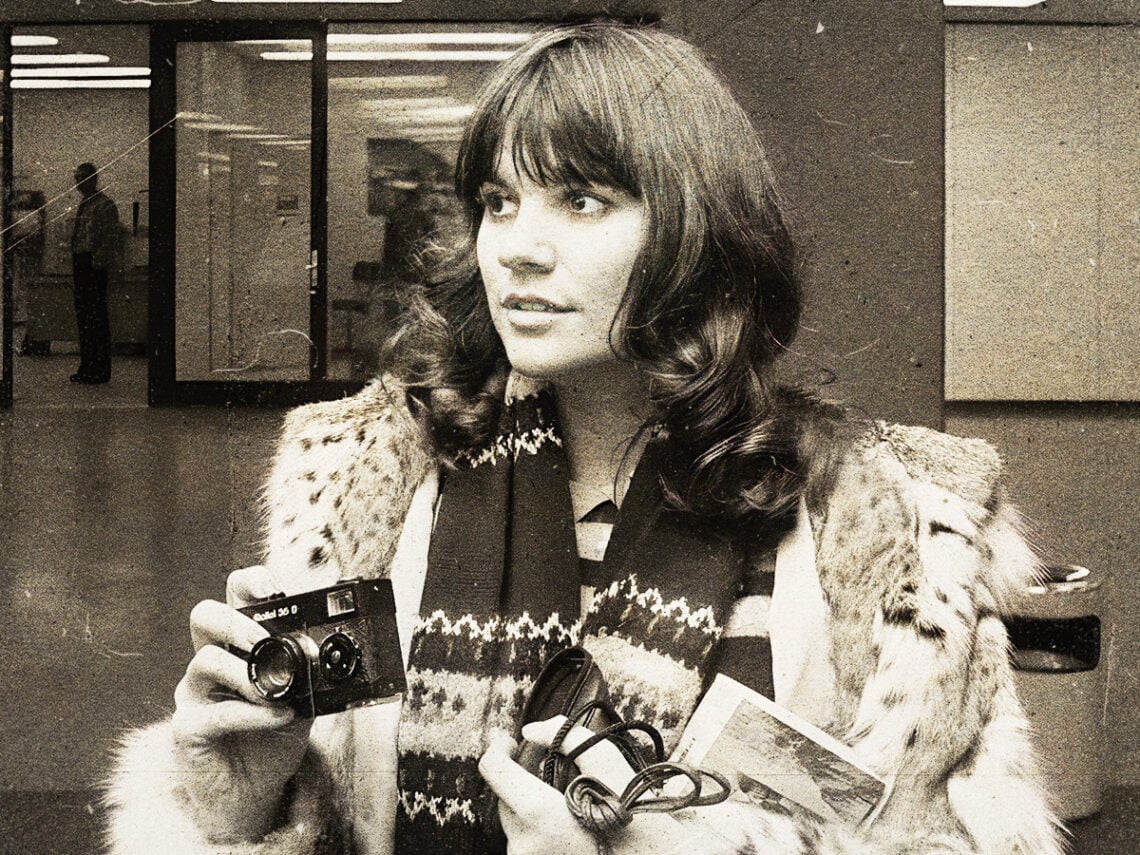
The singer Linda Ronstadt was desperate to work with: “Ride off into the sunset together”

For some reason or another, there’s always more to be said about the earlier part of a decade than the latter part. The early 1980s? Far better in every way than the tail-end of the decade and a hell of a lot more important when looking at music’s impact on politics and culture. The early 1970s? Same thing: lists from all over point towards this being the best period for rock, but, to be honest, all you need to know is that it’s also the time Linda Ronstadt crossed paths with Emmylou Harris for the first time.
1973. First thoughts that usually come to mind? Aladdin Sane? Goodbye Yellow Brick Road? Hell, The Dark Side of the Moon? Some of these even came out in the same month, meaning there really was something in the water that year, and it wasn’t just coming from the flamboyant streams of androgynous hairstyles and flaired trousers. It was also something all of us struggle to put our fingers on, especially when it comes to the things that happen because of pure luck.
Ronstadt meeting Harris wasn’t the biggest thing to come out of that year by any measure, but it did spark the beginnings of something both singers would hold on to for the rest of time. The kind of kindred meet-cute you only hear or read about, that might not necessarily hold anything special in and of itself, but actually represents something far greater in the grand scheme: prophetic, some might say. Inevitable, others might concede.
It’s like when you’re in school, and you already know you’re going to get on with someone before you meet them. Or, better yet, you have met them, and you bonded over something so inexplicably niche that no one would ever truly understand. It could’ve been a joke of some sort, or a specific reference to something you both love, but either way, the stars aligned and, in that moment, you felt far less alone than you ever have before.
Ronstadt’s version of this, weirdly, was when Gram Parsons died, and she never felt closer to Harris before in her whole life. “When Gram Parsons died, I thought, ‘Gee, I wish she didn’t miss Gram so much. I’d like to ride off into the sunset and be a duet with Emmy,'” she said, “I wanted us to be The Everly Sisters.” She added, “But her career really heated up, and so did mine. But I would’ve been happy to do it then.” Harris echoed this admiration, saying, “She’s probably got the most beautiful voice, bar none, of any singer in the 20th century.”
Interestingly, though, the pair’s later collaborations don’t even seem like the most significant part of their story, despite it representing the usual pillar of success: you like somebody, you find a way to work with them. Again, it comes back to those pesky school days, when all you have is the safety of your own likes and interests, and the moment someone else shows signs they have the same ones, everything feels like it makes a whole lot more sense.
In the end, therefore, it wasn’t exactly the nature of their music that pulled you in the most. It’s how, even in the depths of a year (and decade) filled to the absolute top with endless brilliance in the music industry, Ronstadt and Harris found a place within each other, almost like stumbling upon a source of light in the dark when you feel completely sightless and aimless, everybody around seemingly have already found their way. But none of them shared the secret ingredient quite like Harris and Ronstadt.
