


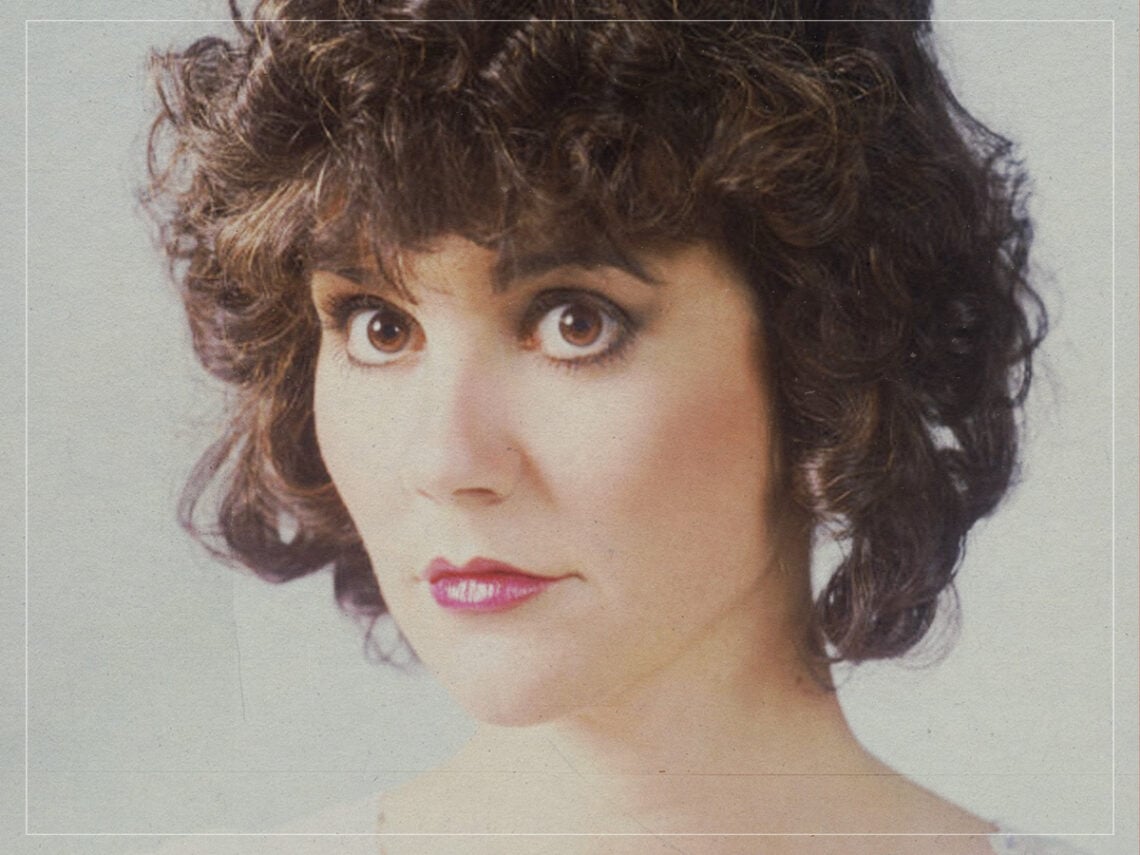
The singer Linda Ronstadt said opened doors for all female singers to follow

Laurel Canyon was as good a place as any to find yourself as an artist, but it wasn’t always perfect.
“[It’s] really responsible for the entire music scene over here,” Linda Ronstadt once said, recalling the opportunities that arose at places like The Troubadour. “It’s a place where performers can be very comfortable and do their best, and other people can see them.”
But what also emerged in the LA music scene was a dual mindset that either pushed or observed, with some shouting loud above the rest, while others hung back, watching, though with no less impact than the volumes that threatened to drown them out. As musicians flocked from all over America to be a part of it, it was the place for anybody of any background, but it soon sparked something more sinister, something the Eagles once attempted to capture in their hit ‘Hotel California’.
But while they sought to reflect on the entrapment that surfaces in so-called paradise, Ronstadt and others noticed a different beast, one that didn’t just thrive in their distinctive space but throughout the entirety of the music industry; the one that didn’t just pit women against each other but ostracised them from the rest of the community. As Ronstadt once put it, “We are dealing entirely with men. I find a lot of resentment from musicians at times. If they’re behind me, it’s a threat to their masculinity.”
An easy observation to make for anyone looking from the outside in, Ronstadt’s personal experience meant that she was able to admire and appreciate those who actually changed the entire infrastructure of the music industry and every single which way it operated just by lingering in the crux of it, hiding in plain sight, like masterful architects of art who never so much as gained a courtesy thank you. Like Billie Holiday and Ella Fitzgerald, who Ronstadt once said “all girl singers have to curtsy to”.
But this stamp of genius also extended to players like Bonnie Raitt, who didn’t try to be unlike her male peers; rather, she adopted many of the same traits, though not because she was trying to imitate their success but because that’s just how she was, and it came across as all the more authentic for it. Discussing her love for Raitt with Playboy in 1980, Ronstadt said, “Bonnie Raitt was the first girl to get up onstage and play the guitar and have the guys say, ‘Hey, she doesn’t play like a girl.'”
She continued, “And she didn’t try to copy the opposite attitude and play real macho. Bonnie simply plays her instrument as if it were an extension of her arm, and she succeeds gloriously. And I think there is a whole wave of little girls out there who not only will be able to play that guitar but will sing and have a real impact.”
Much like how Holiday seemingly invented an entirely new energy in an industry crawling with prejudice, Raitt adopted a mantra that pushed others to just ‘go for it’, even when it seemed like it wasn’t a place where women could just have at it in a similar manner to their male peers. It was either play the anarchist or imitate so-called male mannerisms, and in the end, Raitt just did what she knew, laying the groundwork for other female musicians to let their heart lead the way, even if you had to exercise a healthy dose of both at all times.
As Raitt once conclusively declared, “Using your life to make a difference, and when you see injustice or suffering or lack in other people and you try to do something with your actions, not just talking about it or writing a cheque.”
