


The singer Jimi Hendrix was warned never to play for again: “Son of a bitch!”

Hippiedom might have produced some of the greatest rock artists of all time, many of them preaching the kind of ‘peace and love’ unity and cultural revolution that typified the 1960s, but that sense of solidarity never really found its way into the music industry itself, where the dollar has always reigned supreme.
Even Jimi Hendrix, who epitomised that bold new era of grassroots musical rebellion better than any other, was subject to the typical bureaucracy of the industry. When he wasn’t setting guitars on fire, playing Sgt Pepper in front of The Beatles, or redefining the very sound of the six-string forevermore, the rock and roll iconoclast was being pushed and pulled from venue to recording studio on a near-constant basis.
Eventually, the very bread and butter of a musician like Hendrix – jamming with other musicians – was discouraged by his manager, Chas Chandler.
From the very beginning of the guitarist’s musical journey, it was performing with other artists that seemed to spur Hendrix forwards. You only need to glance over a list of the legendary artists that the guitarist performed with during his pre-fame days to realise their lasting impact on his sound. Wilson Pickett, Sam Cooke, Tina Turner, Little Richard and the Isley Brothers all boasted Hendrix in their backing bands at one point or another, as the guitarist honed his craft on the Chitlin’ Circuit.
That knack for collaboration continued into the days of the Jimi Hendrix Experience, with the titular performer bouncing off the inspiration of Noel Redding and Mitch Mitchell beautifully. It was also during this time, when Hendrix finally started to gain some traction in the rock realm, that figures like Stephen Stills began to seek out the guitarist’s infallible skills for his own recordings – something that Hendrix’s team weren’t overly thrilled with.
For his debut solo album back in 1970, Stills called upon Hendrix to lay down some guitar lines, but he failed to mention to the guitarist’s management team that fellow guitar hero and rock revolutionary Eric Clapton would also be contributing. “I was rather sneaky about it,” Stills told The Independent in 2023. “When their people found out, they all complained.”
It is difficult to imagine Jimi Hendrix himself being too bothered by the fact that he would appear on the same album as Clapton. After all, the two guitarists were open about their admiration for each other, and aside from a healthy air of rivalry, there wasn’t much to stop them jamming together, other than the wants and demands of their management and record company executives.

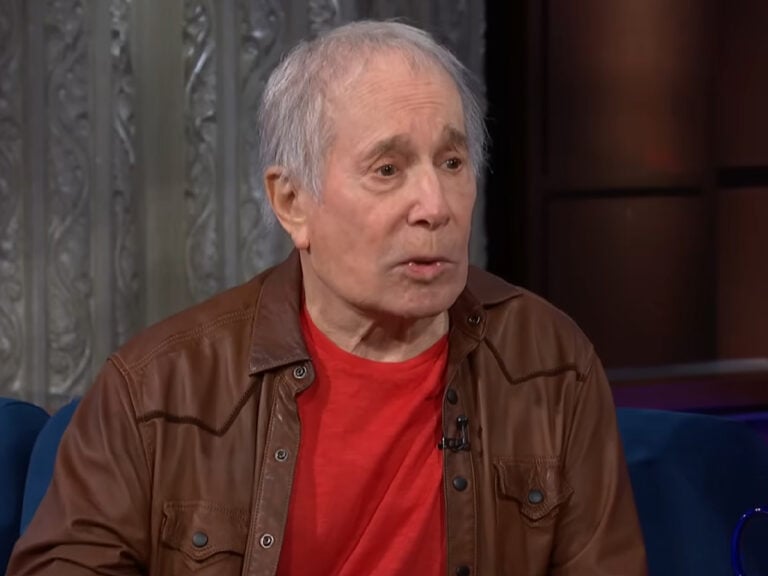
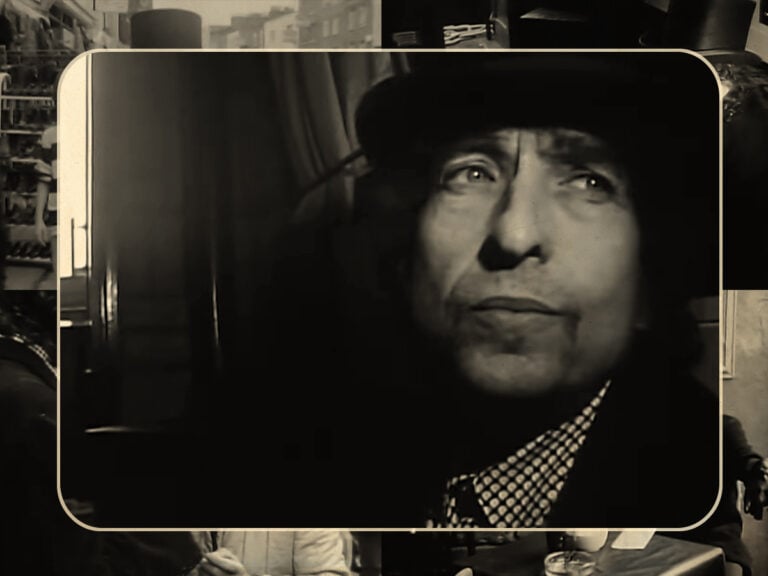
“Jimi’s producer was particularly adamant about it,” Stills recalled. “‘Don’t play guitar for that son of a bitch again!’ But we had the attitude of jazz guys.” Jazz guy attitude aside, that stern warning still reverberated.
As Stills explained, “There was a community of us, a potpourri of everybody intermingling all the time like the jazz guys back in the ‘50s used to do.” But now there was money to be made, and within the industry, this sole “bitch“ remark typified the flipside of Bob Dylan’s proclamation that the times were a-changin’.
Seemingly, management weren’t too pleased with Hendrix and Stills instilling the spirit of 1950s jazz jams into that 1970 album. Regardless, though, the guitarist’s performance on ‘Old Times Good Times’, for instance, reflects the unbridled power and energy of his performing style at that time, and the fact that Eric Clapton features on the same album only adds to its legendary reputation within rock circles.
