


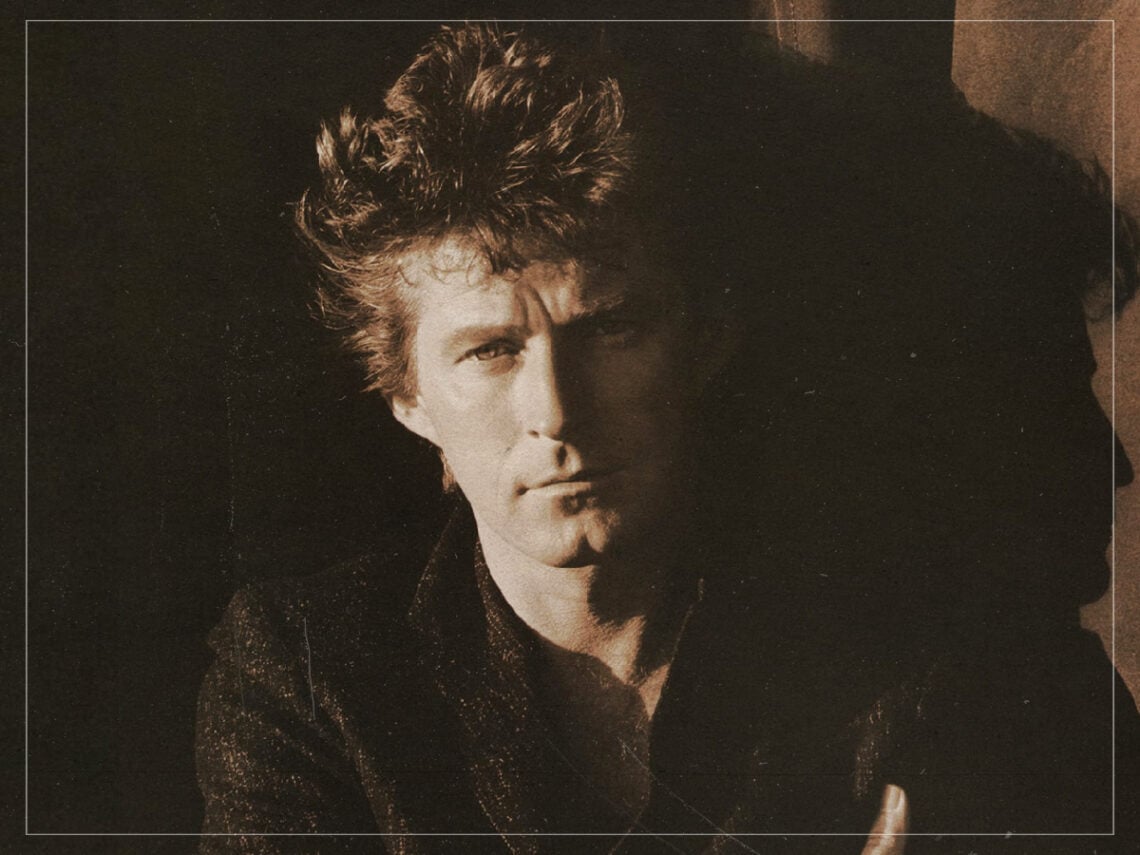
The singer Don Henley always wished to hear more from: “We hope for more songs”

In the 1970s, the Eagles had climbed the steep mountain of musical acclaim to become one of the biggest bands in the world.
But they weren’t motivated by appeasing the powers that got them there. With every foot that stepped closer to the very top, there was an existential questioning of their meaning as a band. In 1973, they released ‘Desperado’, a song about a young man who discovers guitars, joins a band, pays his dues and suffers for his art.
Then, in 1976, came their magnum opus, Hotel California. A loose concept album that culminates in its title track, which offers an underhanded description of Hollywood’s baseless allure and the hollow existence that awaits mega stars of the entertainment industry.
It was clearly a subject matter that the band’s leader, Don Henley, was obsessed with, as he navigated a musical career that juxtaposed feelings of artistic intent and commercial appeasement. Because it was only natural that, as the leader of one of rock’s most beloved bands, based in Los Angeles, Henley forced himself to play the rock star role.
But it was a source of isolation for Henley, realising that only a select few individuals could truly understand what it felt like to become disillusioned with the industry that seemingly provides you with fame and riches. While the likes of Mick Jagger or Stevie Nicks feel like the obvious candidates for Henley to seek some sense of personal understanding, it actually came from a more unlikely star in Billy Joel.
Henley said, “The Eagles had put out an album in 1973 called Desperado, which was our commentary on the music business. But Billy sums it all up in one song, ‘The Entertainer’. Back then, in those days, both radio and record companies didn’t like it if a song was longer than two minutes and 50 seconds.”
Adding, “So Billy says in a couple of lines here in ‘The Entertainer’, if you’re going to have a hit, you’ve got to make it fit. So they cut it down to 3:05, and I know exactly what he’s talking about.”
‘The Entertainer’ opened Henley up to the cynical world of Joel’s music, and from there, he became warmly intrigued by his music. He continued to find parallels between his own art and Joel’s, and found himself longing for the pain that he so accurately depicted. So in 1993, when Joel announced he would be retiring from songwriting, Henley decided to lap up every ounce of commentary he could, and even pleaded for the songwriter to stick around.
Celebrating the song, Henley said, “At this point in time, he was sick of the music business, his marriage was on the rocks, and this is him just saying, I’m done. And I can certainly understand the sentiment sometimes. But there are millions of us who hope, Billy, that you’re not done. We hope for more songs from you, and I hope to write some of those songs with you.”
Eventually, in 2001, Joel did return with his record Fantasies & Delusions, but Henley never seized the opportunity to collaborate with the musician and instead, remained a fan from afar.
