


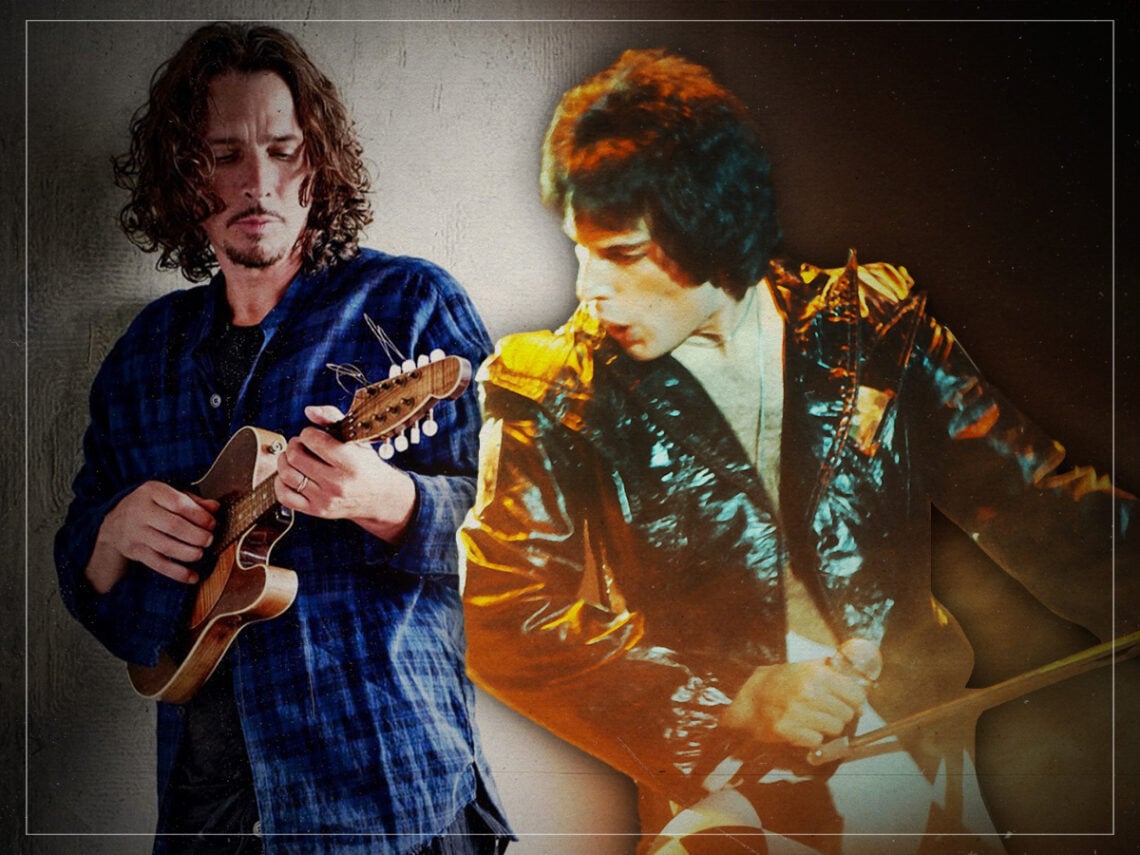
The singer Chris Cornell crowned the Freddie Mercury of grunge: “He was already a rockstar”

Grunge is not a movement typically associated with Queen’s brand of theatrical rock bluster.
In fact, the Seattle underground was supposed to be its antithesis. No glossy artifice or arena showboating to be found among the likes of Nirvana, Soundgarden, Pearl Jam, or Alice in Chains; instead, such 1990s heavyweights were set to kick the buffoonery of hair metal into touch just like punk had pulled classic rock’s rug from underneath them in their youth.
However, many of the city’s alternative peers held a high regard for the rock canon, with Aerosmith and Kiss being essential parts of grunge’s DNA when slowly gestating across the 1980s. An underground name in the Seattle music scene long before Nirvana would top the Billboard 200, Soundgarden frontman Chris Cornell easily bottled Led Zeppelin’s heavy psychedelia, matching their creative scope with the spirit of Robert Plant’s vocal bellows during their prime.
Alongside Soundgarden’s early tenure was a much-loved band of the pre-Nevermind grunge era, fronted by the unabashedly flamboyant Andrew Wood and forging a unique link between Queen’s glam and the raw punk garage, establishing the Seattle blueprint.
“Andy was effervescent,” Cornell reflected to Rolling Stone in 2016. “He was very charismatic and funny, sort of in a prankster way, but also self-deprecating while at the same time being this larger-than-life rockstar. He acted the way I imagine Freddie Mercury did when I see documentaries about Queen’s early years. In a sense, he was making his own reality.”
“In his mind, he was already a rockstar, and he was waiting for the rest of the world to figure it out.”
Chris Cornell
Cornell knew him well. Sharing an apartment together in 1988, Wood stood as one of the city’s rising rockstars, having nabbed former Green River members Jeff Ament, Stone Gossard and Bruce Fairweather for his band Mother Love Band, routinely sharing live billing with Soundgarden during their brief run.
What set Mother Love Bone apart was the keen embrace of the arena peacocking, seemingly so passé in the emerging grunge soundtrack. Wood looked the part, decked out in androgynous glamour and exuding an air of colourful theatre wholly at odds with grunge’s obsessions with authenticity. Such visual arrest was matched by their sound, a thumping riff attack dwelling in the same lysergic caverns as Jane’s Addiction but packed with a gleaming optimism at its core.

Cornell’s comparison of Wood to Mercury was apt, both taking the persona of the rockstar to the nth degree and venerating its escapist energy. Mother Love Bone would cut 1990’s Apple debut, yet, tragically, Wood would succumb to his ongoing drug problems, dying of a heroin overdose at 24 years old mere weeks before the LP’s release. Less than 24 months later, the Queen frontman would die from HIV/AIDS complications, to the mourning of the rock world.
Cornell would form the Temple of the Dog supergroup along with Ament and Gossard just before their Pearl Jam successor took off as a tribute to the late Wood, and Alice in Chains would pen the blistering ‘Would?’ in 1992, the lead single to Dirt, which paid tribute to the Mother Love Bone captain while also condemning the criticism he received for his fatal dabbling with heroin.
