


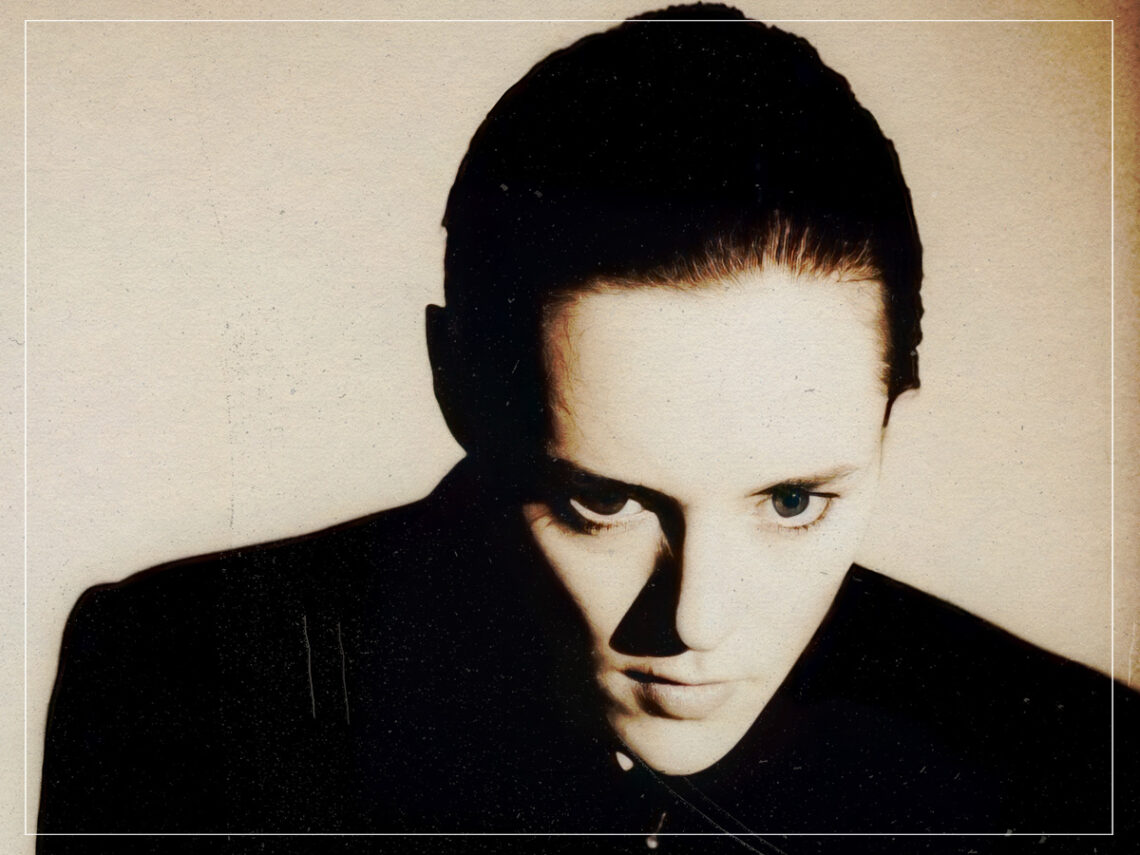
Louise Brooks: The silent era icon who greatly inspired Jehnny Beth

Since the mid-2000s, Jehnny Beth’s career has seen her experiment with various art forms, from music to acting. The French-born artist began her first musical project as one half of John and Jehn, taking inspiration from a wide range of influences, like 1960s French pop and ’70s post-punk.
The band had moderate success, but Beth would soon go on to front a group that would see the singer establish herself further in the mainstream—Savages. The band, with its arty post-punk sound, has toured with many successful artists and even earned two Mercury Prize nominations.
Meanwhile, Beth, as a solo artist, has collaborated with an impressive array of artists, from Julian Casablancas (the pair did a fantastic cover of Sort Sol and Lydia Lunch’s ‘Boy/Girl’) to Bobby Gillespie, Gorillaz and Idles. It seems as though one endeavour isn’t enough – she also has her own record label, Pop Noire, a radio show, Start Making Sense, and a television show, Echoes With Jehnny Beth.
Then there’s her acting career, which began in 2005 with a role in Through the Forest. At the time, she went by her birth name, Camille Berthomier, and also used this name for an appearance in the 2009 film Sodium Babies. It would be another nine years before she began acting again, starring in Catherine Corsini’s An Impossible Love, with her performance receiving critical praise.
More recently, she has starred in Paris, 13th District, and Anatomy of a Fall. Clearly, film is a big interest for Beth—John and Jehn even cited the French New Wave director Jean-Luc Godard as an inspiration for their music.
Beth understands the power that cinema has over us, inspiring the way we think about life, or even how we dress. For Beth, discovering the silent era actor Louise Brooks was a revolutionary moment. She inspired Beth’s boldness, even emulating her signature short and androgynous haircut for herself.
Brooks, born in 1906, started acting following her time as a chorus girl. It wasn’t until she relocated to Germany that she became recognised as a true cinematic icon, landing various leading roles. Her film Diary of a Lost Girl, directed by G.W. Pabst, is one of Beth’s favourites.
“I was really obsessed with Louise Brooks when I was younger. I still admire her greatly,” she told Nowness.
The movie follows Brooks’ character Thymian, a young woman who is raped and subsequently sent to a reformatory school, which she eventually escapes from and becomes a prostitute. It charts her personal discovery and inner strength as she deals with several hardships. Brooks shines in the leading role, and the image of her sporting her signature sleek black bob in the film remains iconic.
“I think if there’s a biopic made about her, I really want to [be] cast for it because I know everything about her. I even had the same haircut when I was younger,” Beth added, asserting her deep knowledge and admiration for the star.
“But in Diary of a Lost Girl, the modernity of her acting is spot on. If you watch it now, you can’t believe it was made [in 1929],” she concluded.
